
All European Rail Routes
48 routes across intercity, scenic and sleeper categories. Search by city or filter by network.
Showing 48 routes
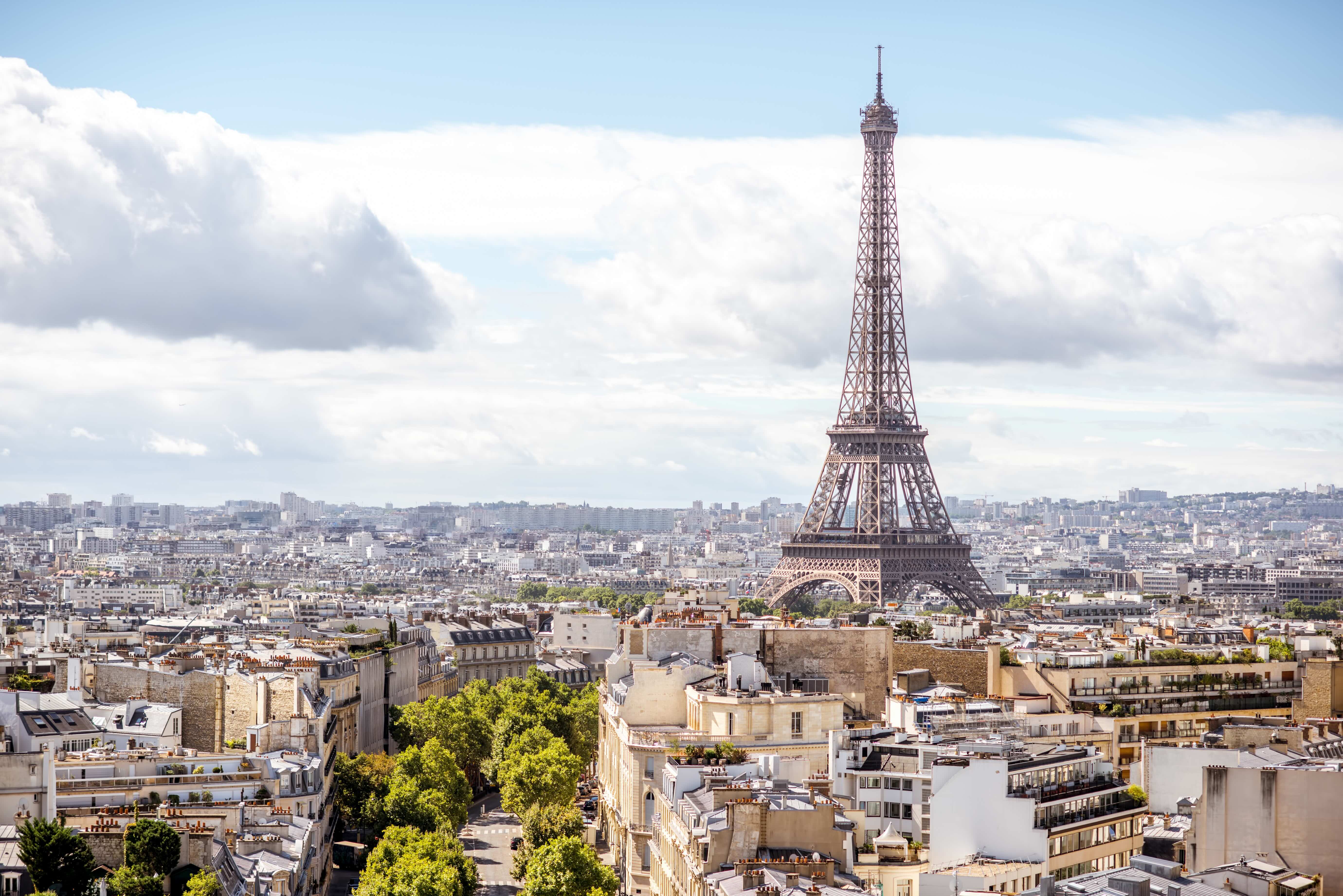
Glide beneath the English Channel and emerge in the heart of the French capital.
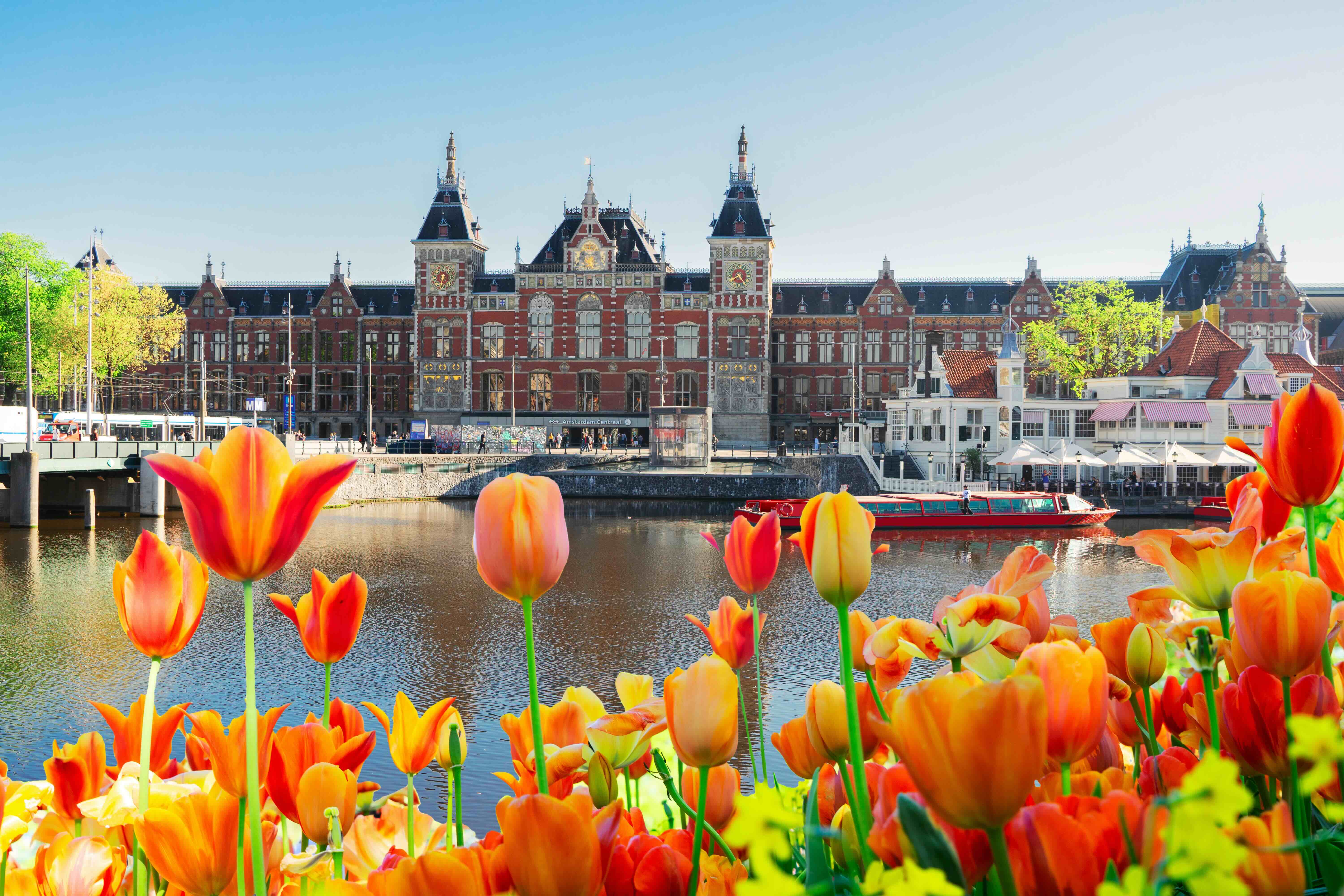
The Eurostar Continental route — from Gare du Nord to the canal-ringed heart of the Netherlands.
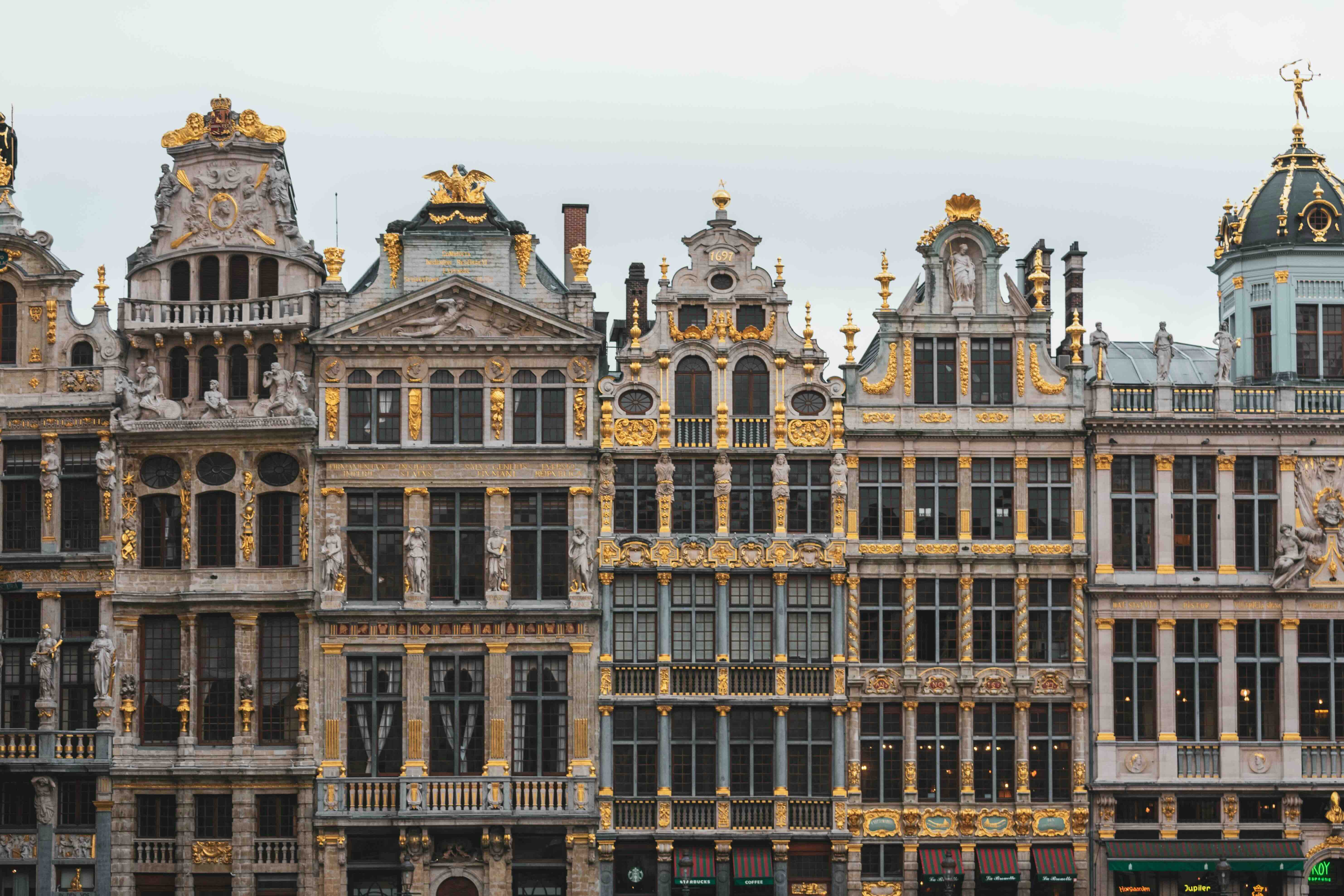
The fastest link between France and Belgium — Gare du Nord to Brussels-Midi in about 1h 22m, city centre to city centre.
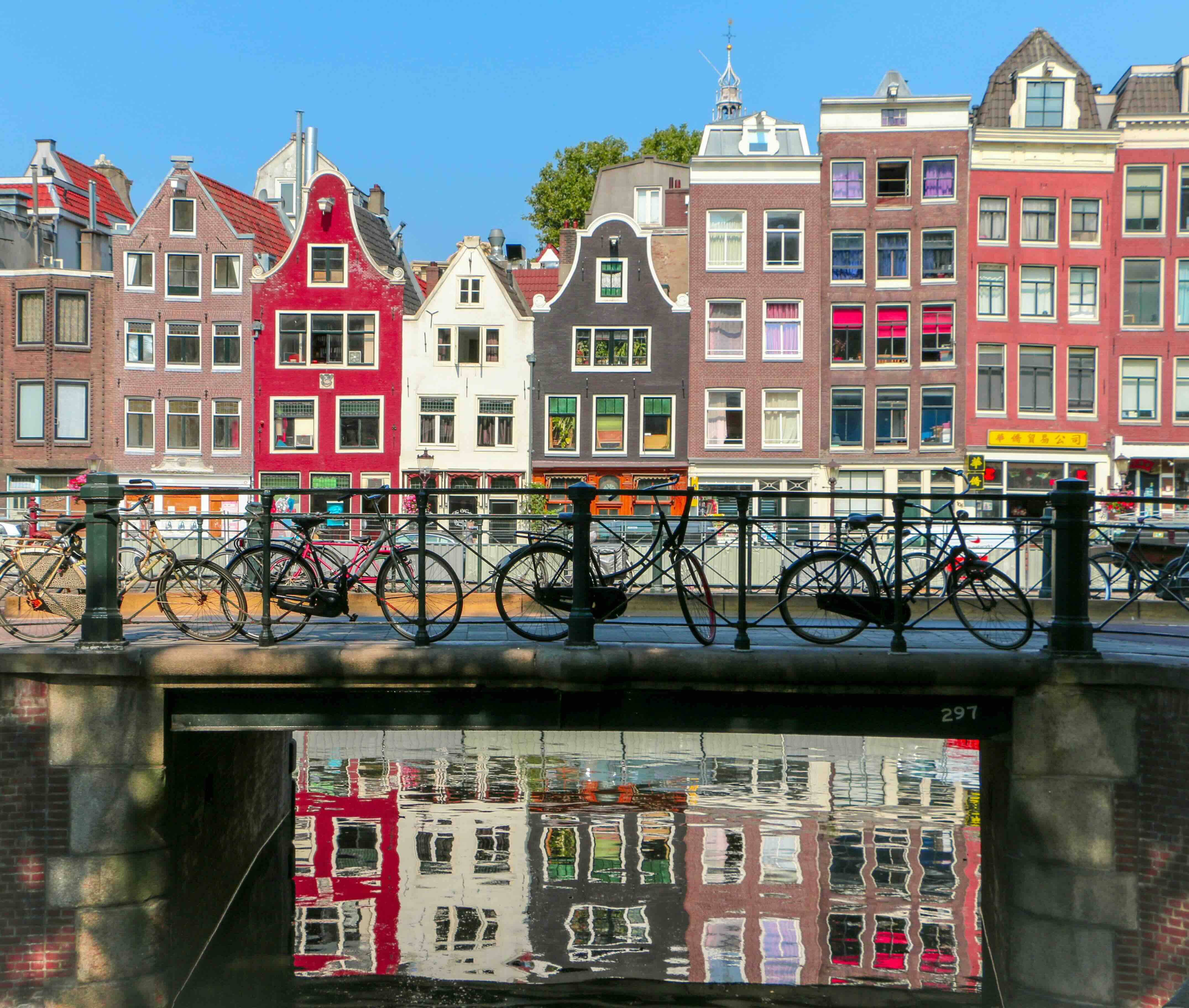
One of Europe's easiest international train journeys — Brussels-Midi to Amsterdam in under two hours, via Antwerp's railway cathedral.
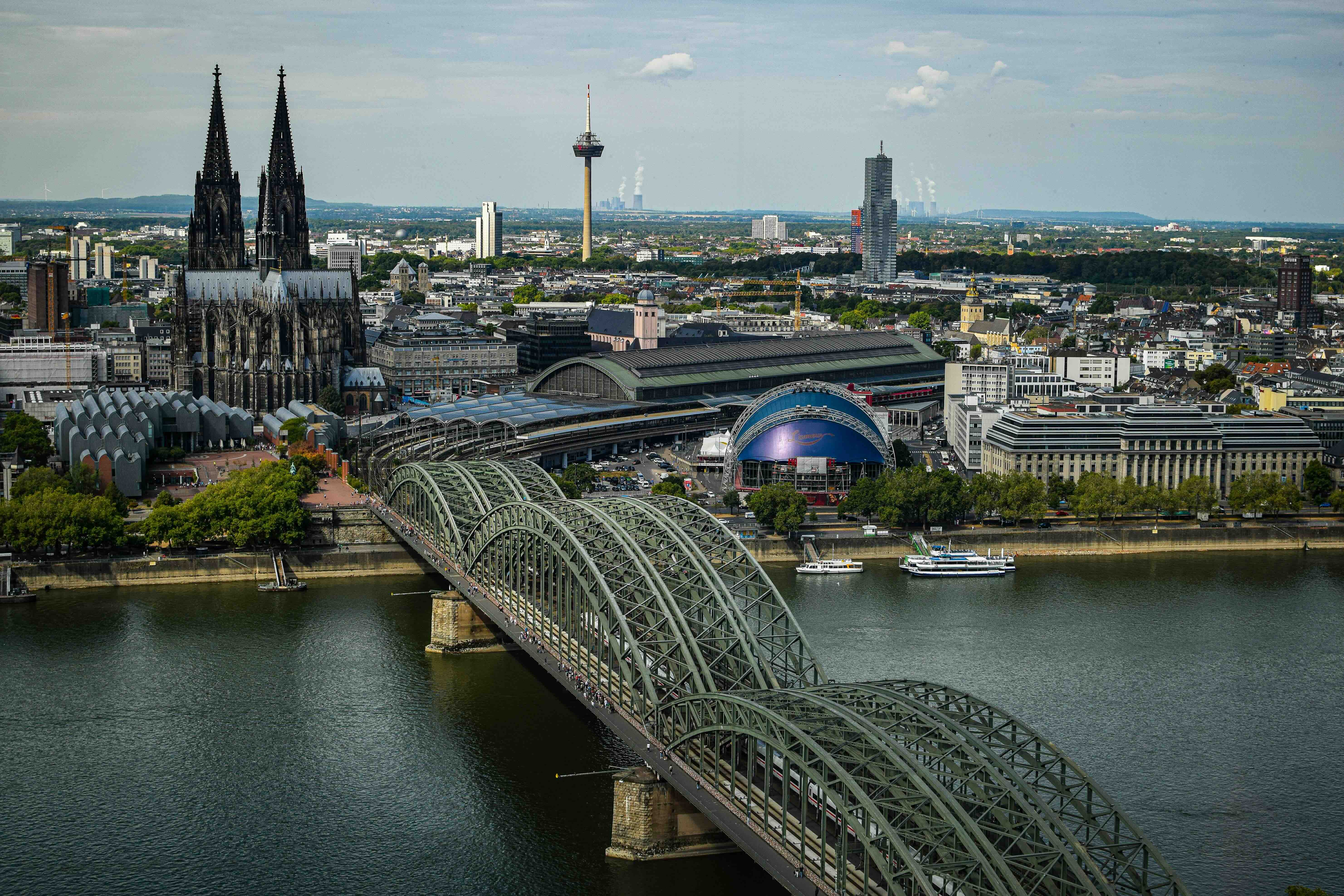
The fastest link between Belgium and Germany — Brussels-Midi to the cathedral doorstep of Köln Hbf in about 1h 47m by ICE.
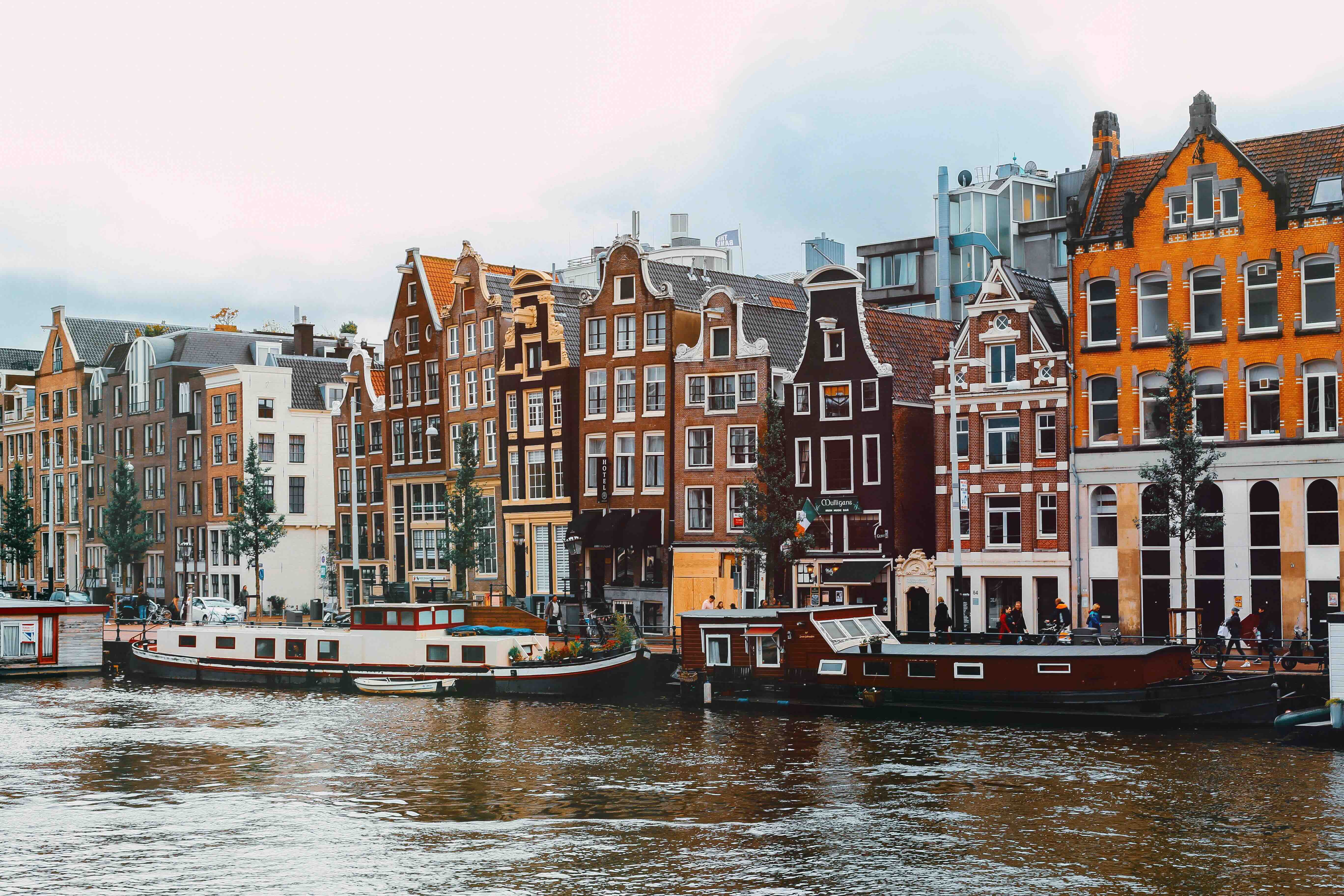
The Cross-Channel Giant — beneath the sea, through Belgium and Rotterdam, into Amsterdam Centraal.
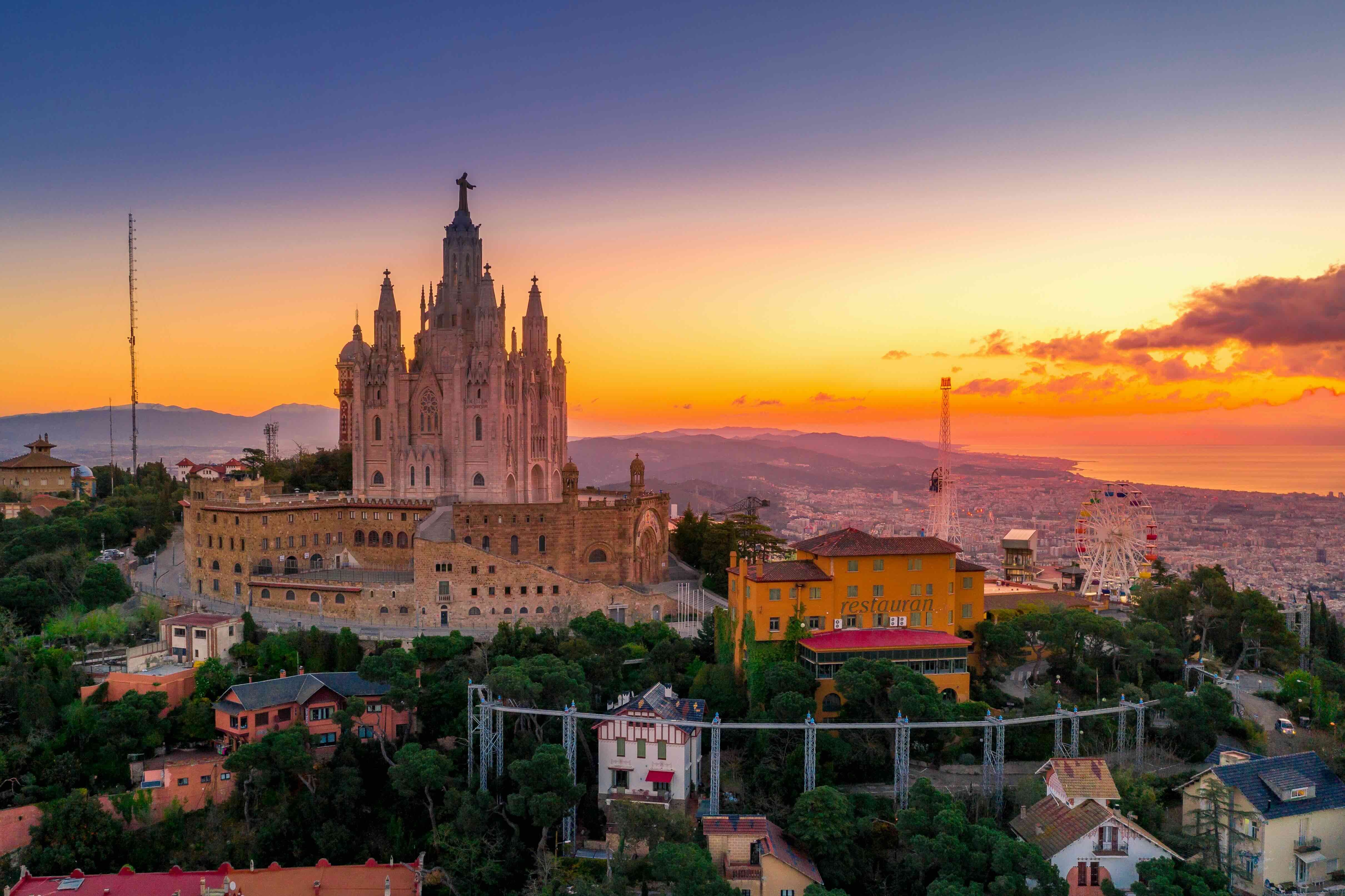
A Mediterranean arc through sun-drenched Languedoc and into vibrant Catalonia.
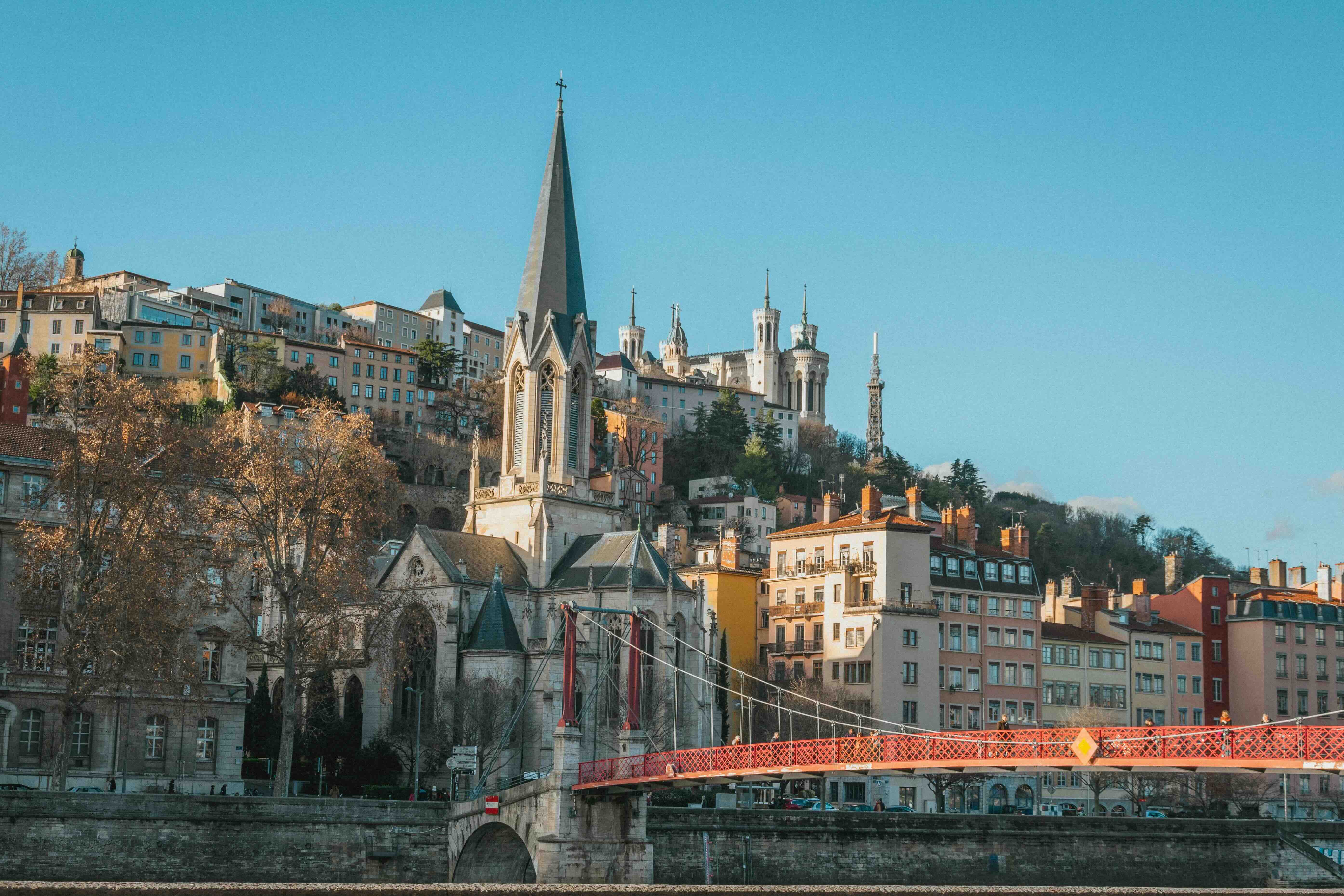
France's flagship high-speed line — the original 1981 LGV, Paris to the gastronomic capital in about 2 hours, around 30 trains a day.
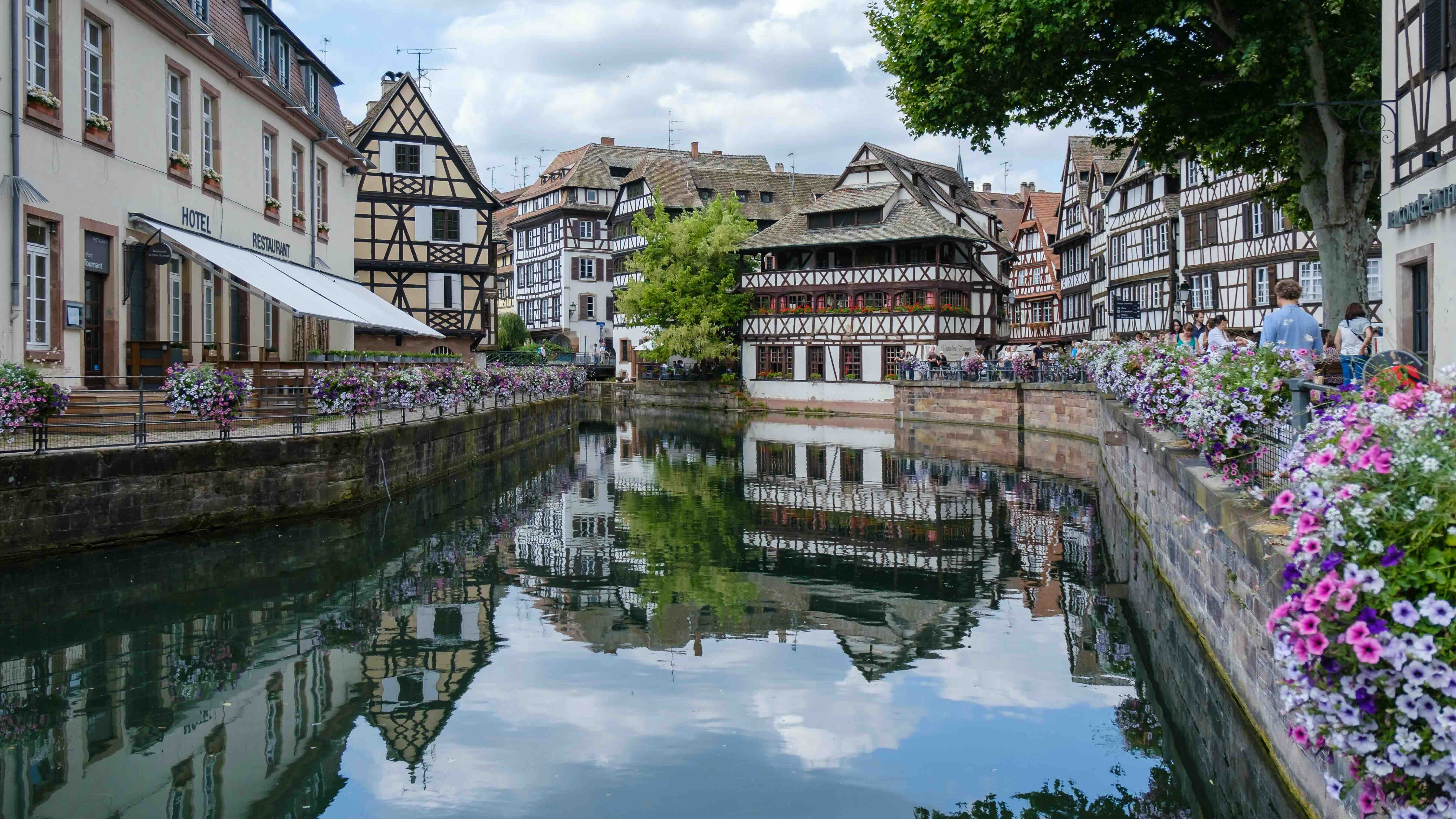
France's easiest gateway to Alsace — direct TGV from Paris Gare de l'Est to Strasbourg in under two hours, and onward to the Rhine and Germany.
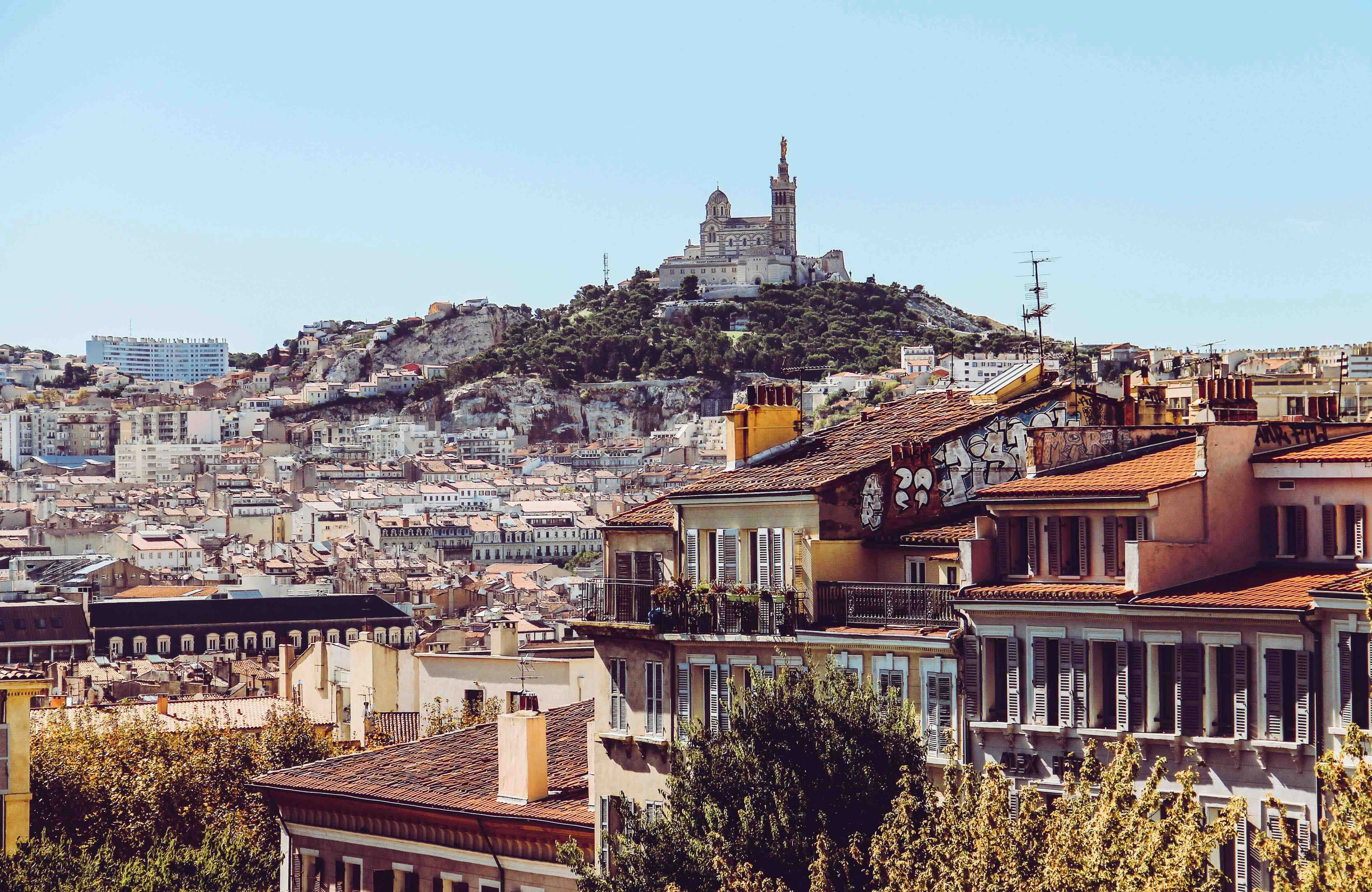
France's high-speed run to the sea — Lyon down the Rhône to Marseille in around 1h 40m, and the gateway to the whole Mediterranean south.
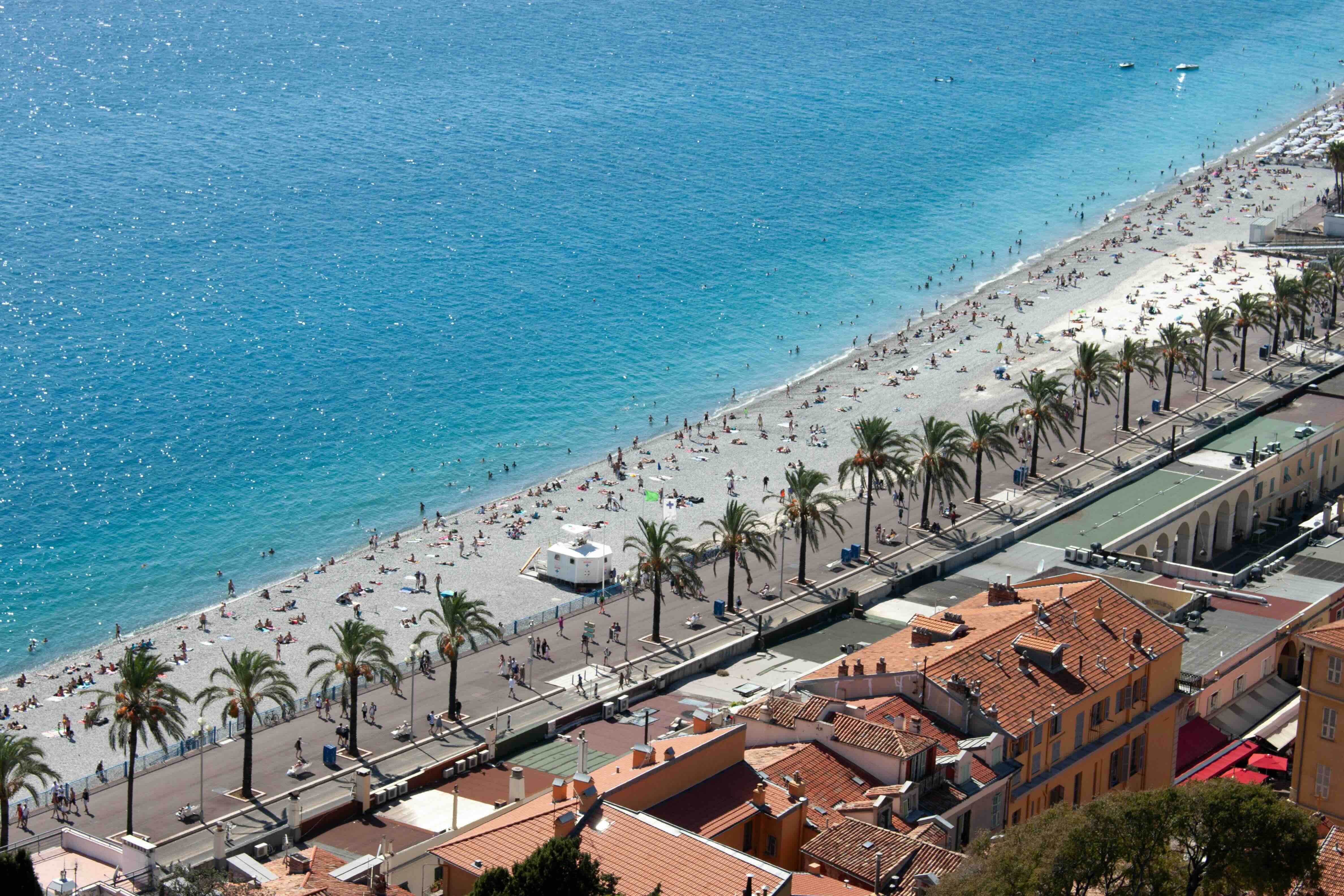
France's spectacular Côte d'Azur railway — along the Mediterranean past Toulon, the Esterel cliffs and Cannes to Nice in around 2h 30m, by TER or TGV.
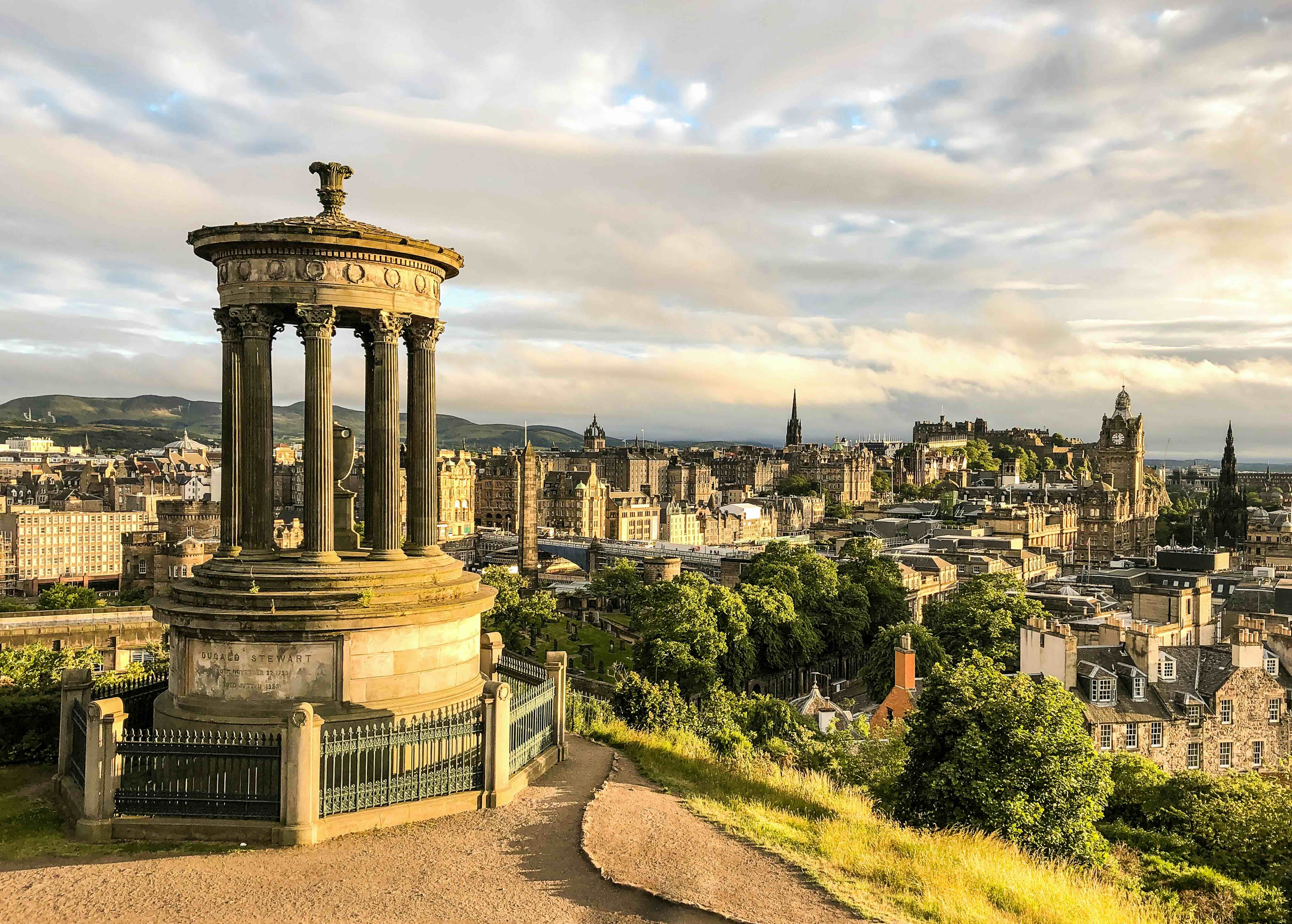
Britain's flagship intercity — arrives directly beneath Edinburgh Castle in 4h 20m, no Heathrow security required.
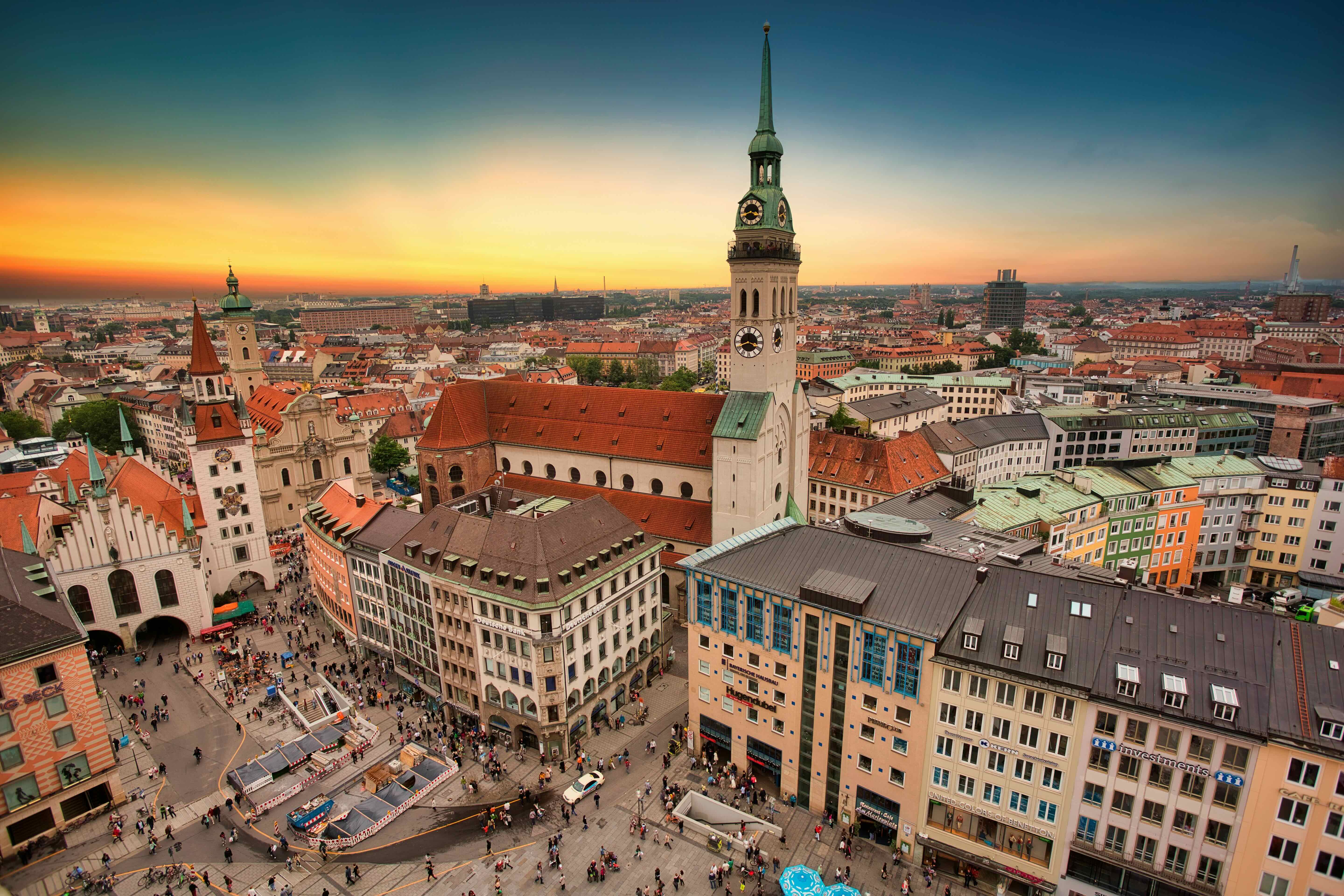
Germany's fastest domestic corridor — 300 km/h ICE with free Wi-Fi and at-seat power, every hour.
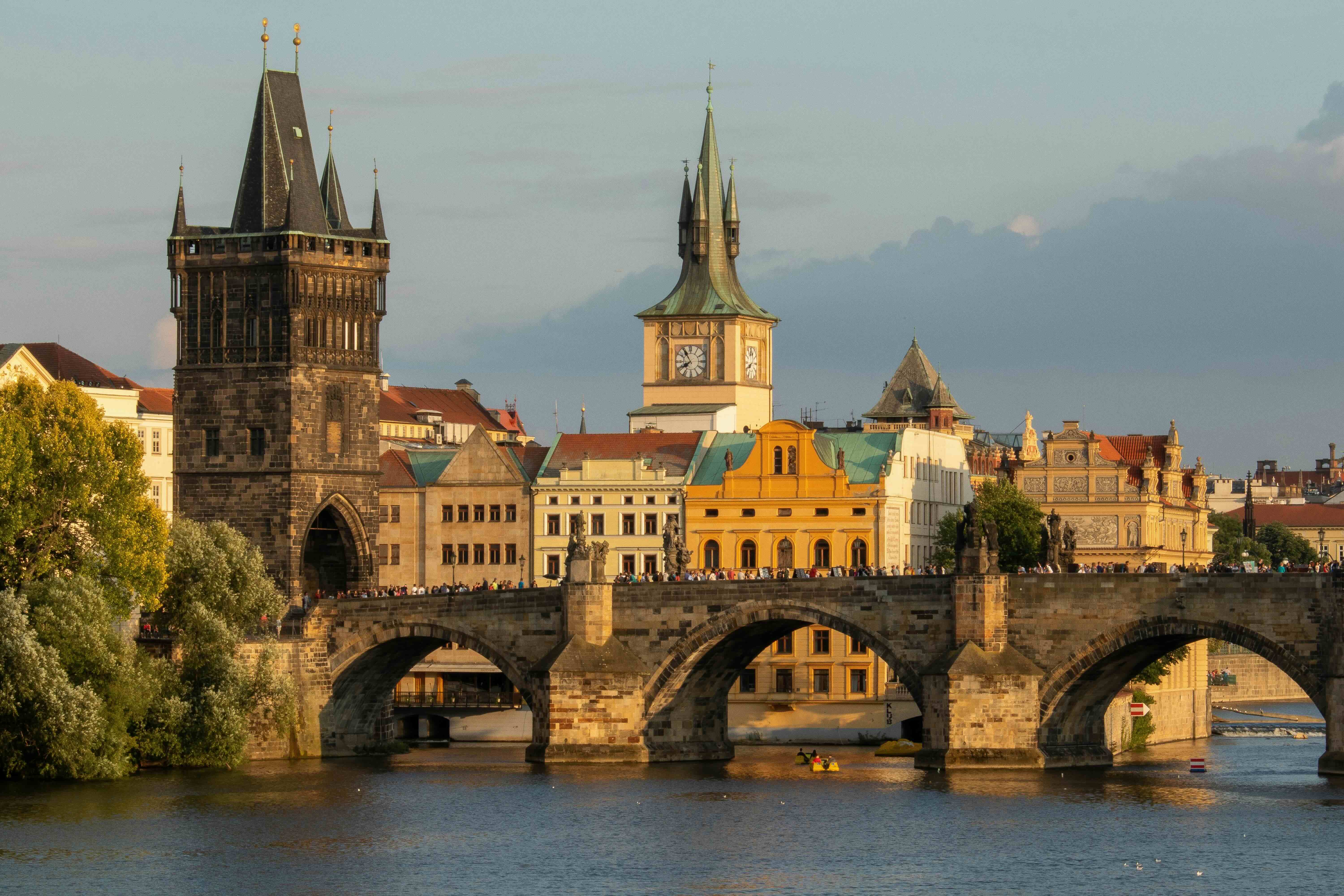
Same door-to-door time as flying — but with the Elbe sandstone gorge and Dresden's Baroque skyline from your window seat.
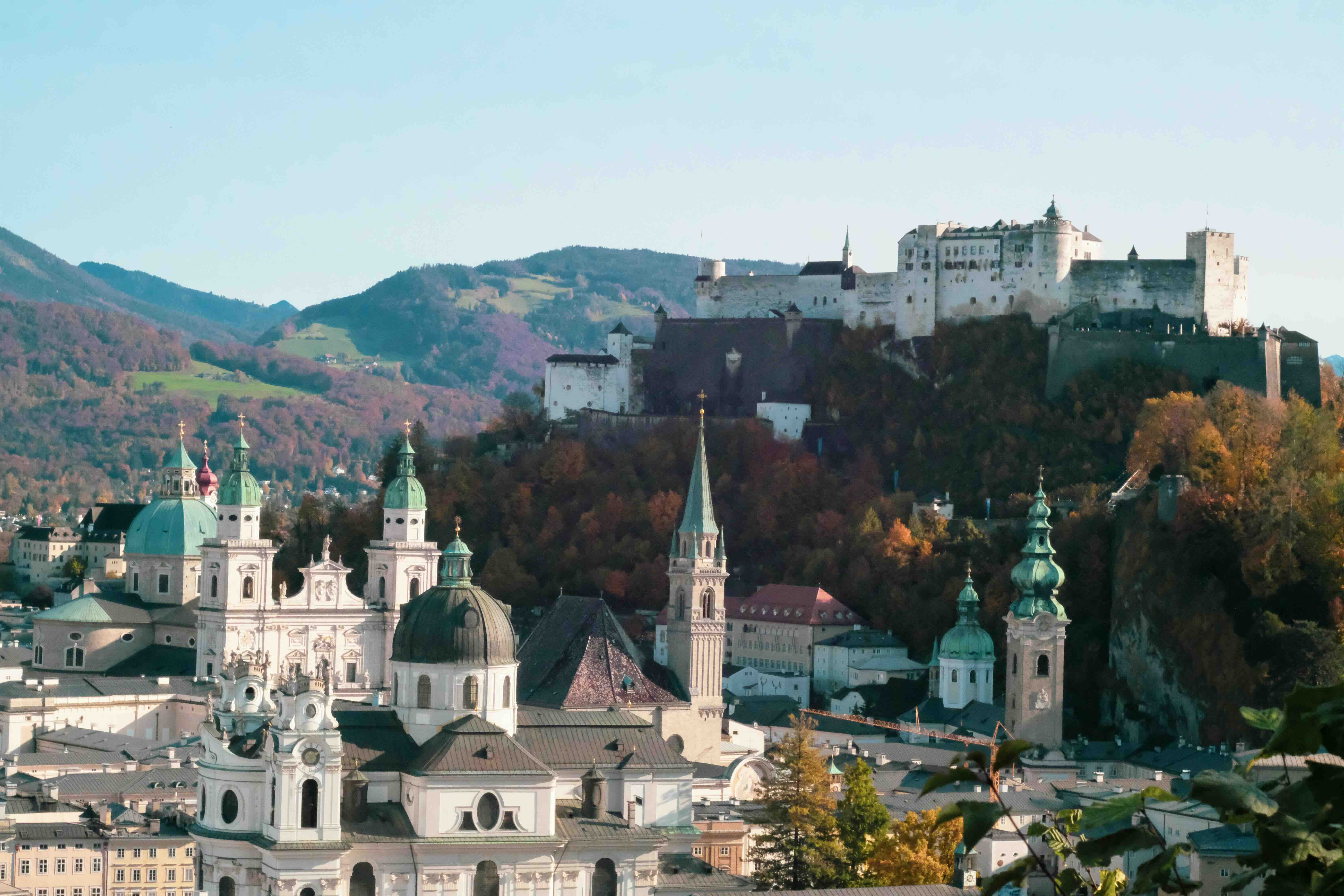
One of the easiest international rail trips in Europe — Munich to Mozart's Salzburg in about 90 minutes, with the Alps along the windows.
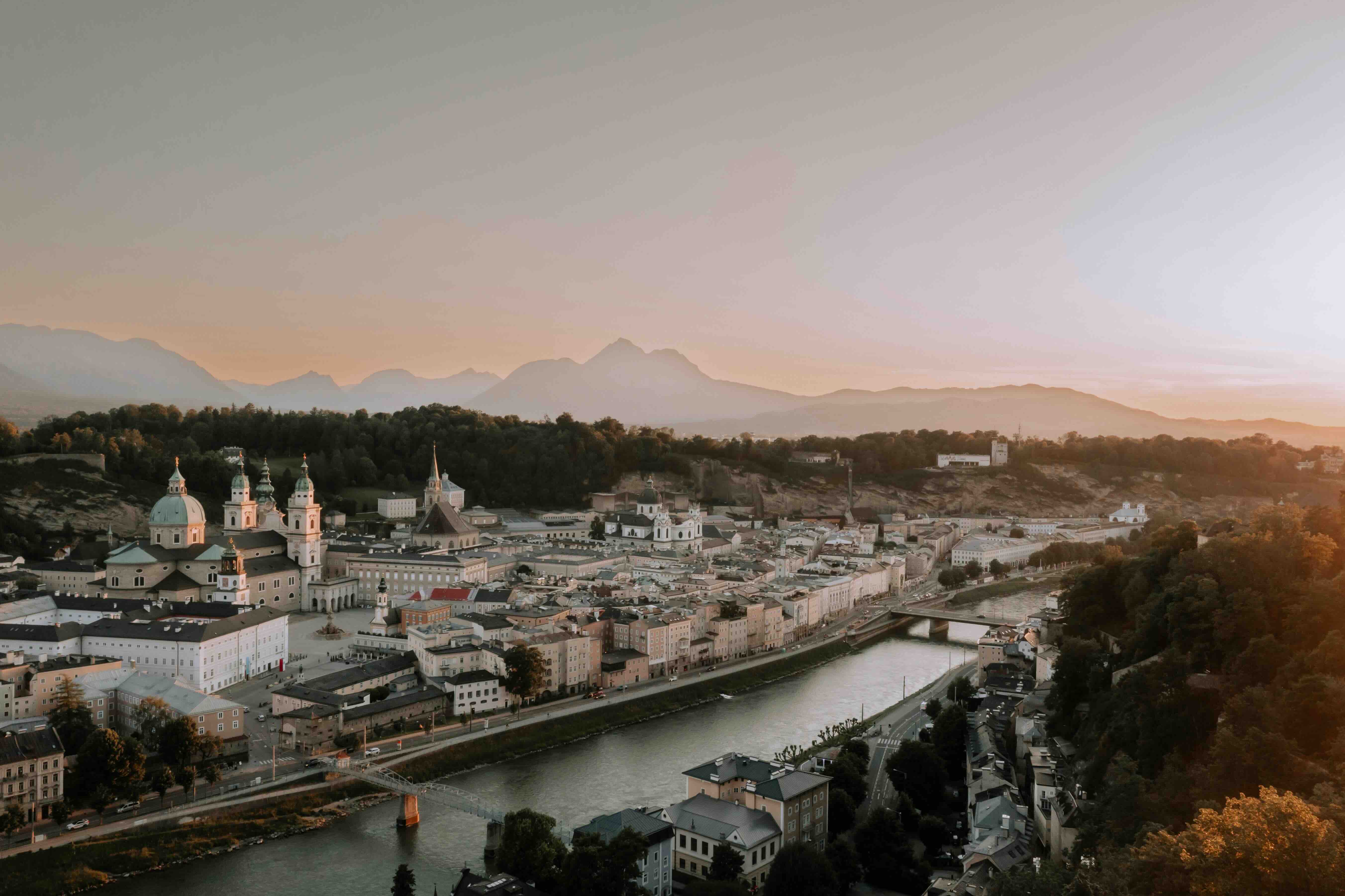
Austria's classic westbound run — the imperial capital to the foot of the Alps in about 2h 25m, with ÖBB Railjet and WESTbahn sharing the line.
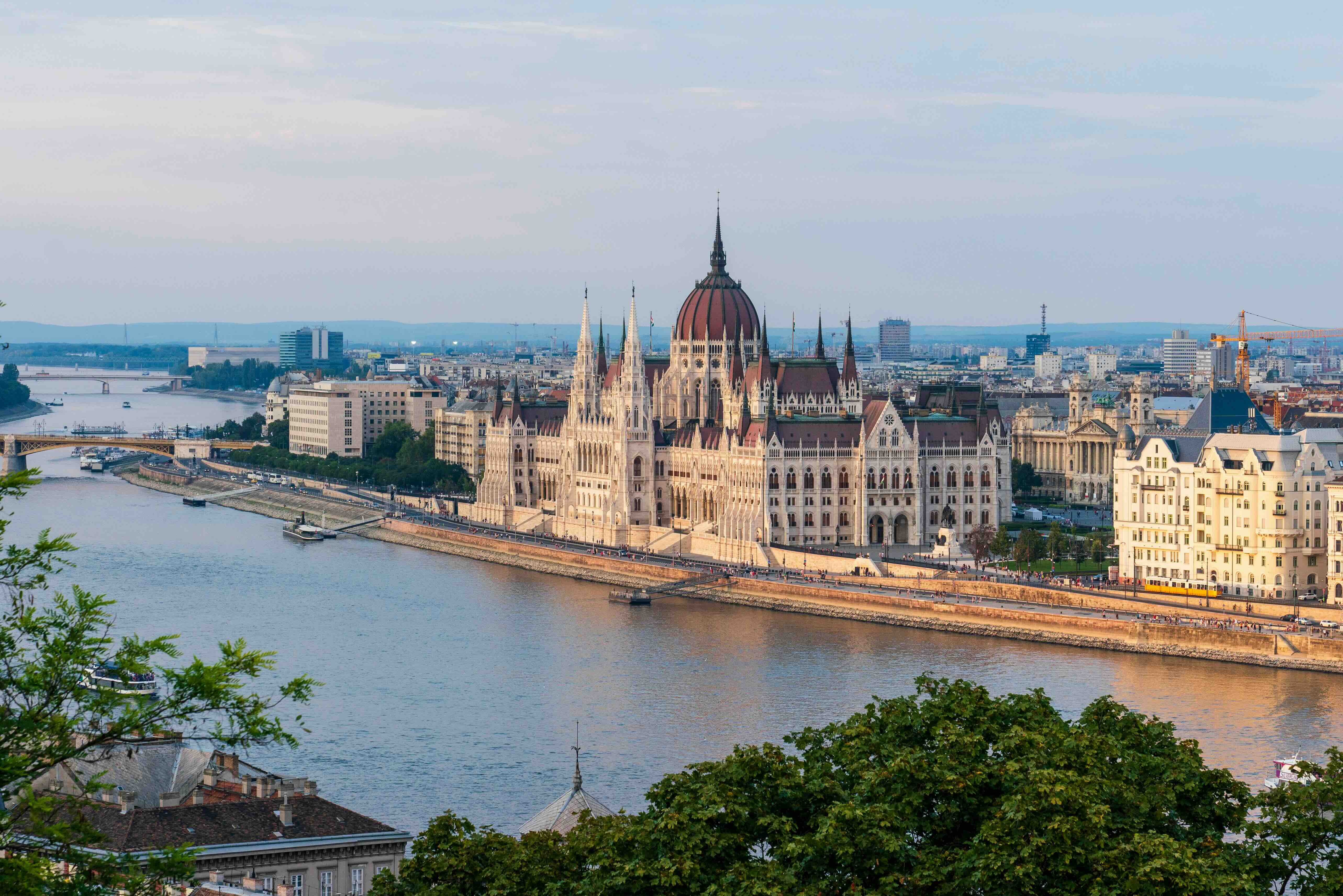
Between the two Danube capitals — Vienna to Budapest across the plains in about 2h 20m, with ÖBB Railjet and RegioJet running the line.
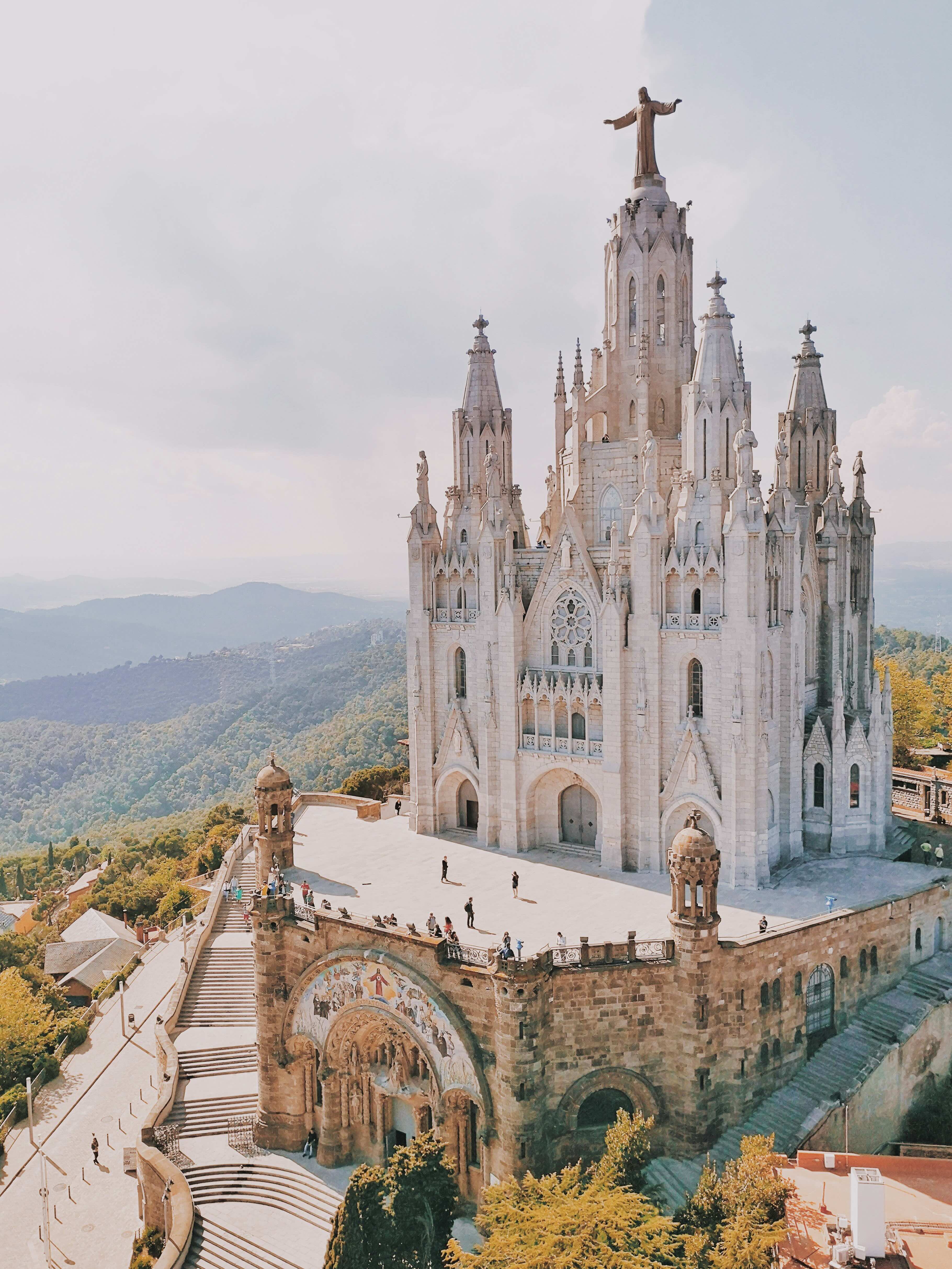
Spain's fastest corridor — city centre to city centre in 2h 30m on Europe's longest high-speed network.
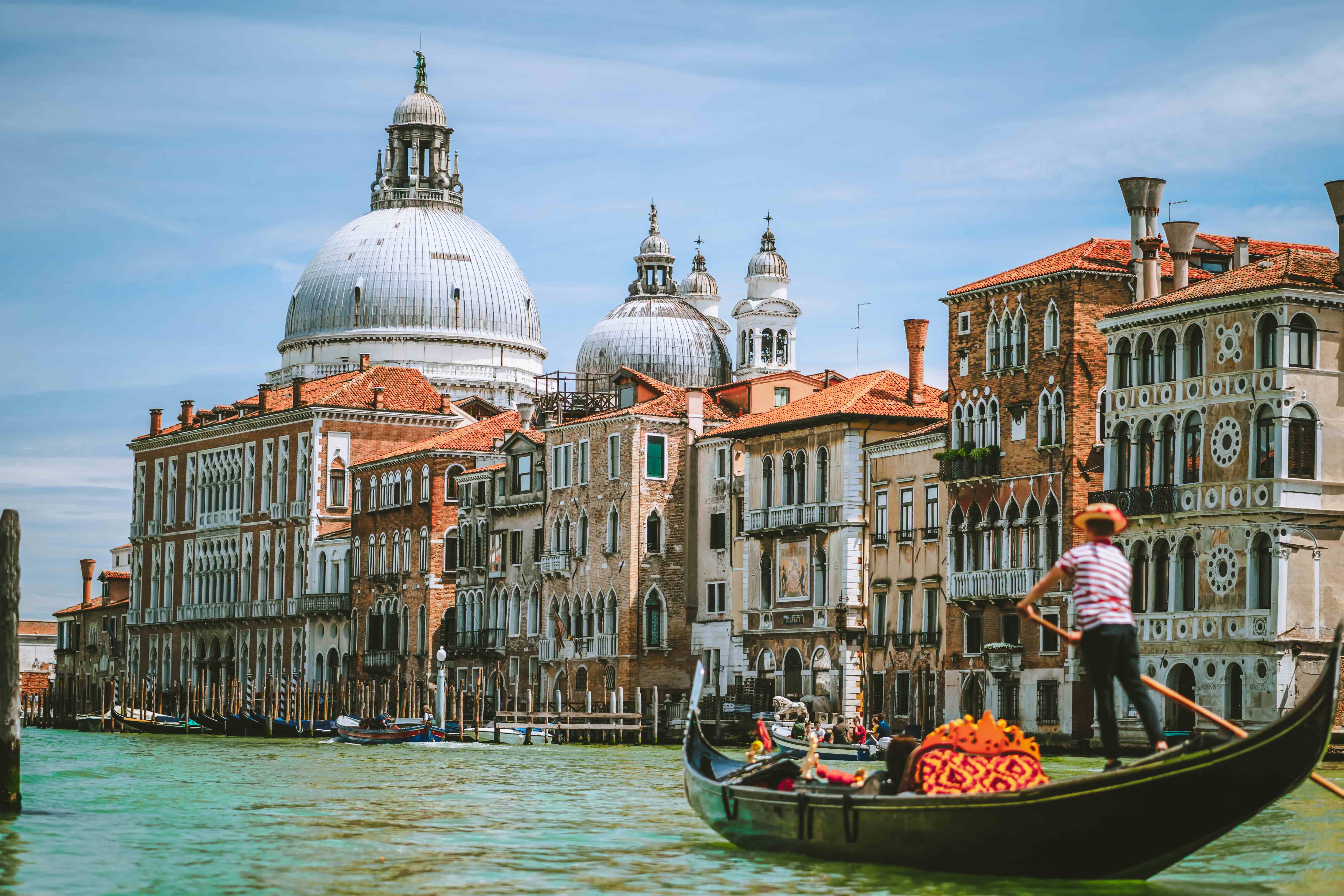
The Frecciarossa arrives on the Venetian islands — no water taxi, no airport transfer, no Marco Polo queue.
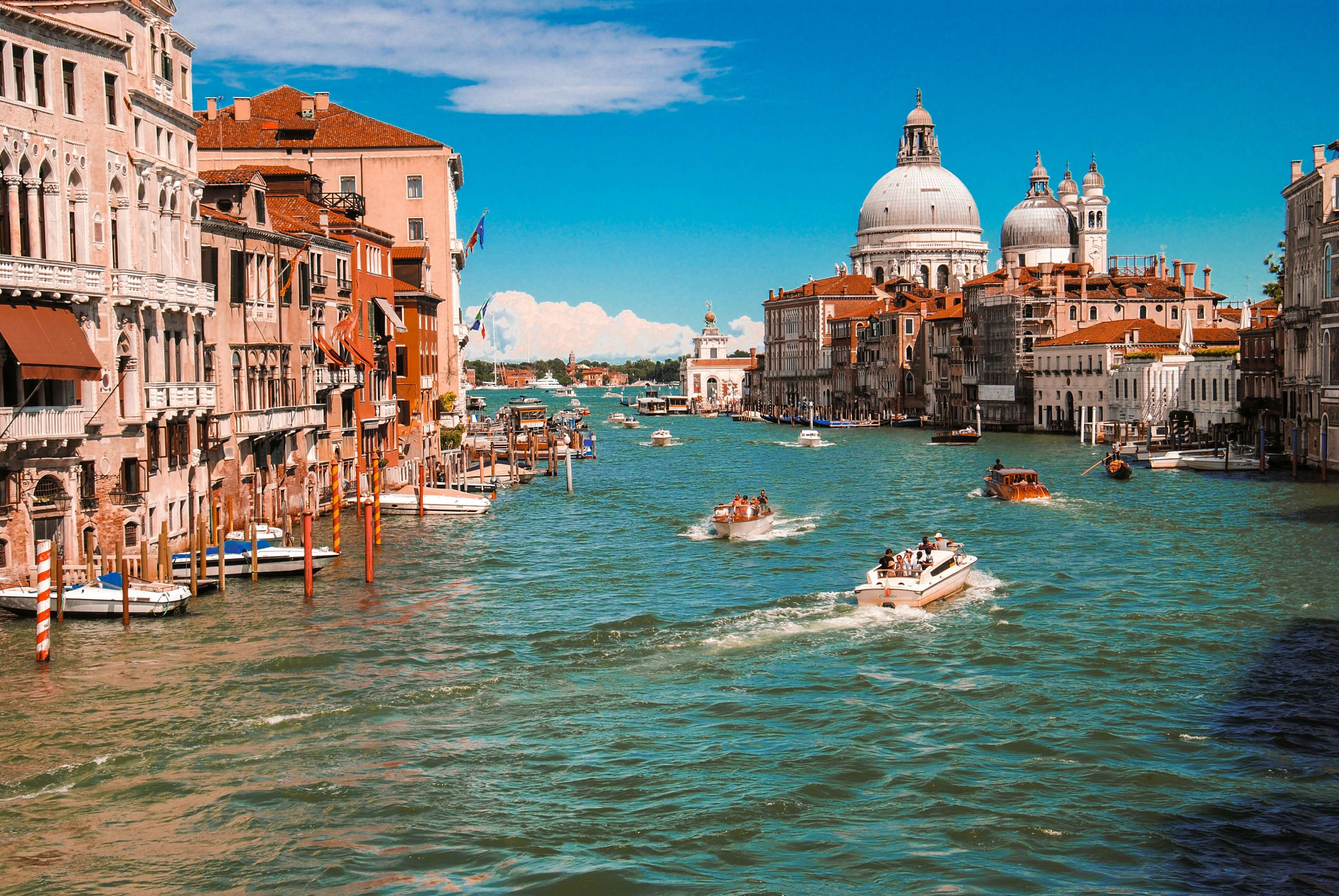
Bavaria → Austrian Tyrol → South Tyrol → Venice: three countries, the Alps, and arrival directly on the Venetian islands.
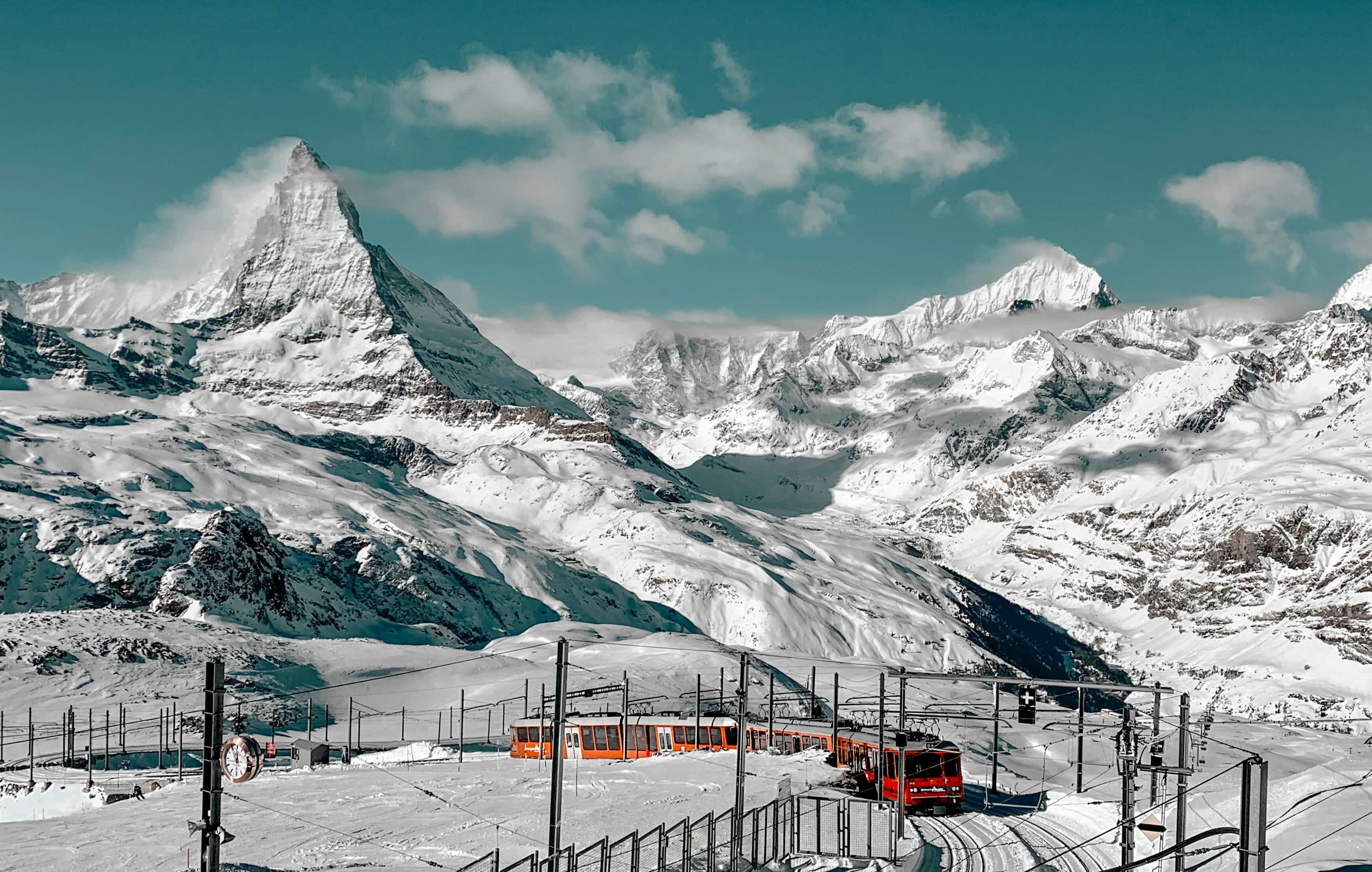
The "slowest express train in the world" — 291 bridges and 91 tunnels through the heart of the Swiss Alps.
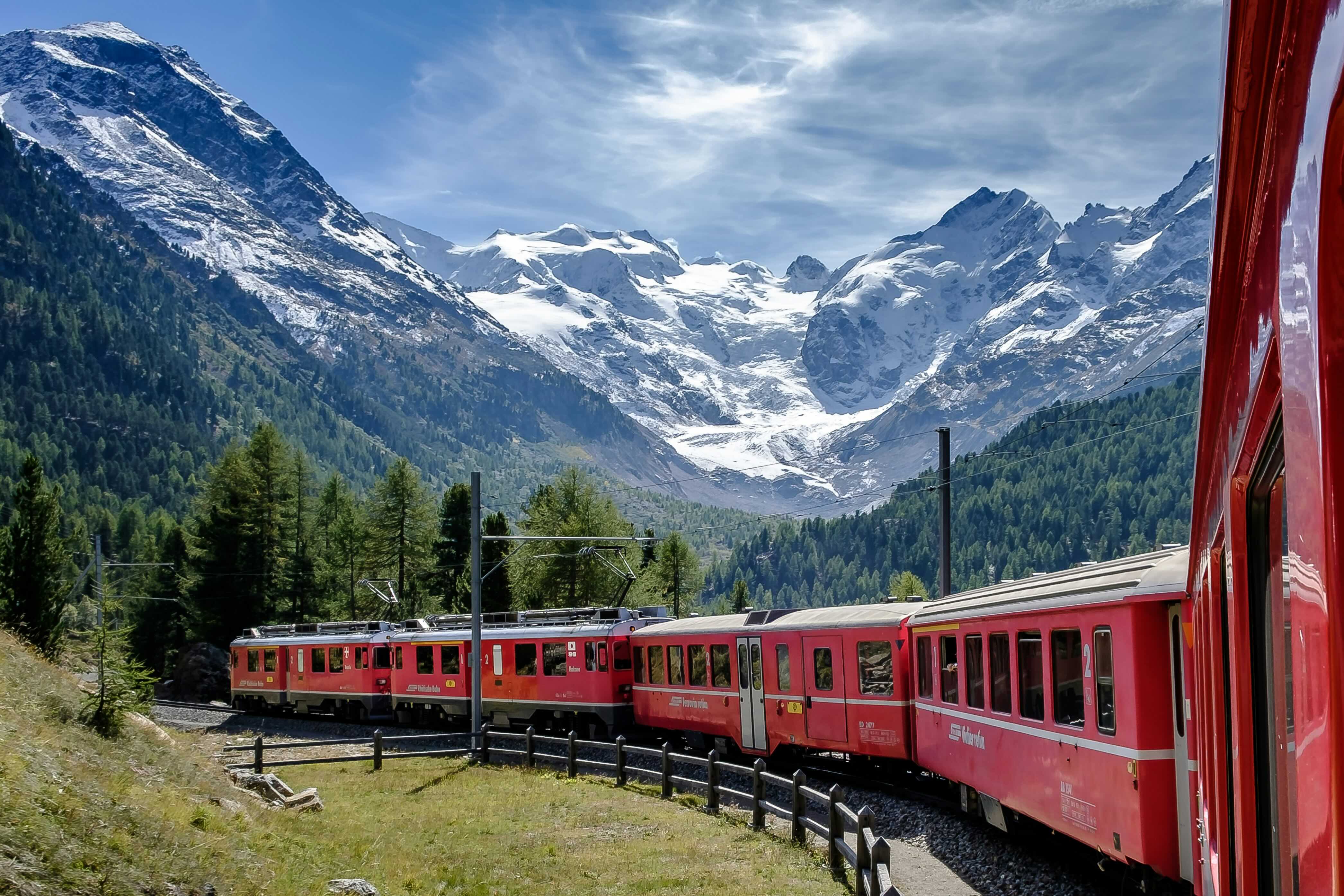
The highest non-rack railway in Europe — a UNESCO World Heritage crossing from the Swiss Alps into Italy.
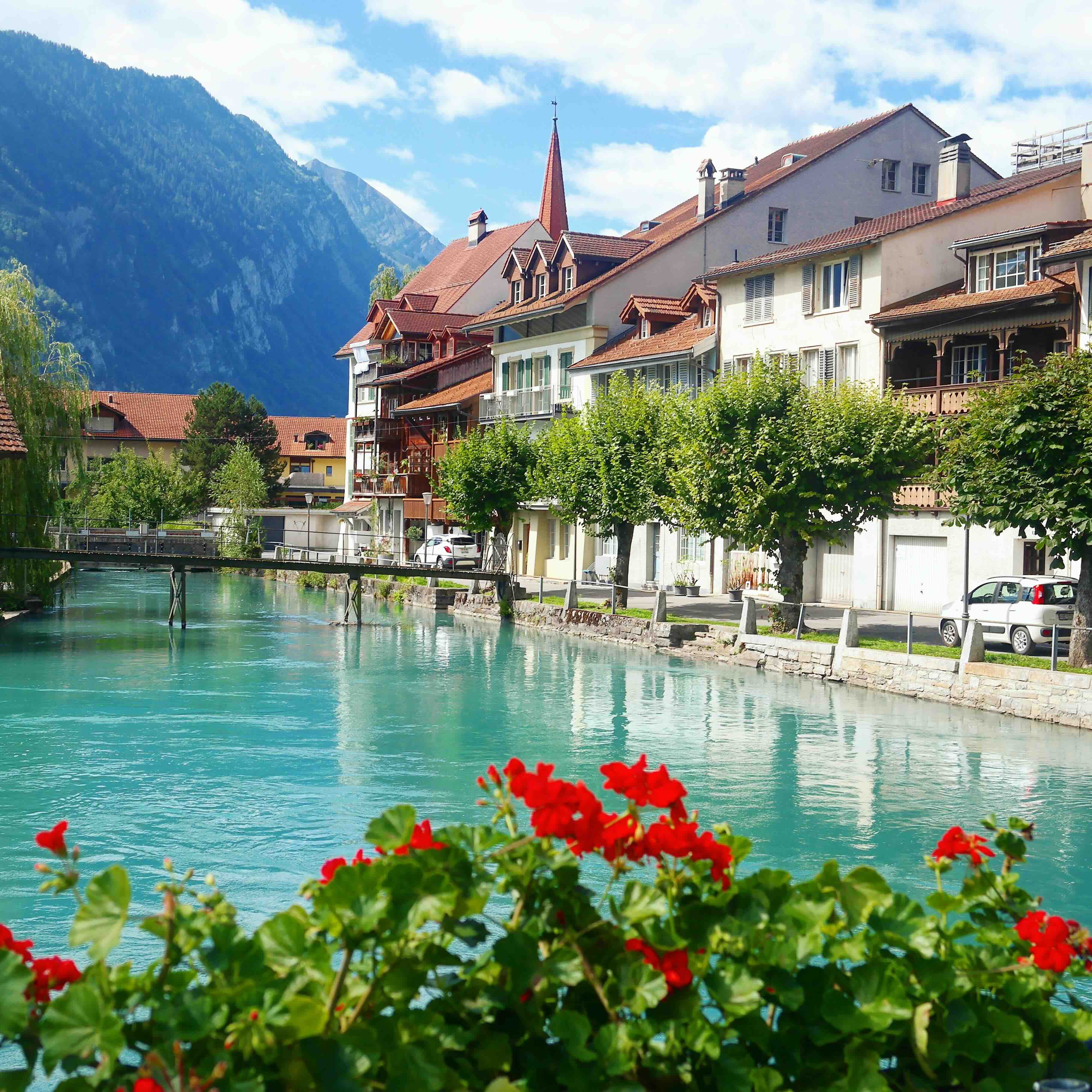
The gateway run — direct trains via Bern and along the shore of Lake Thun to the doorstep of the Jungfrau region.
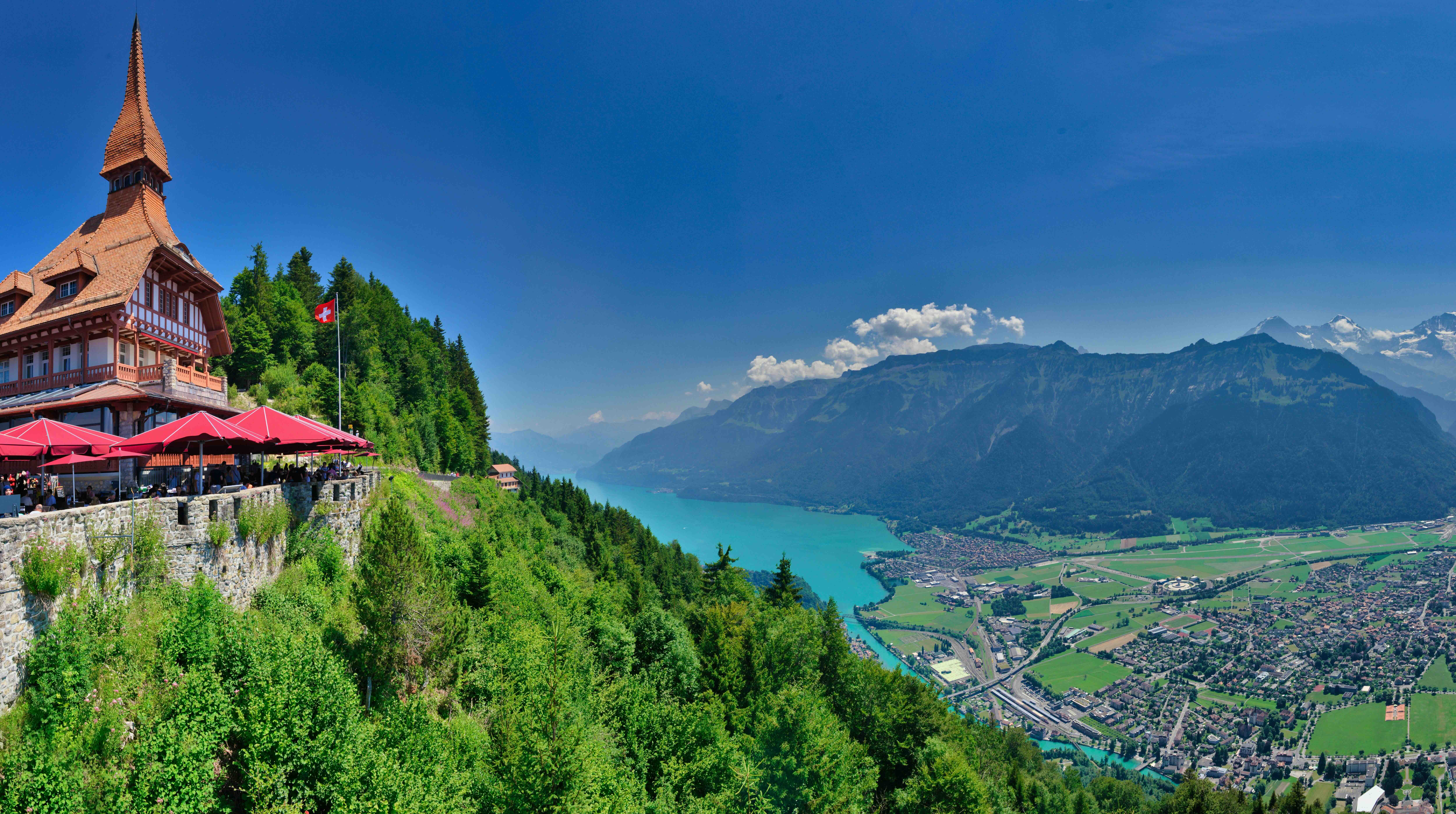
The western gateway to the Jungfrau — Lake Geneva, the Lavaux vines, Bern and Lake Thun in about 3 hours, airport to Alps.
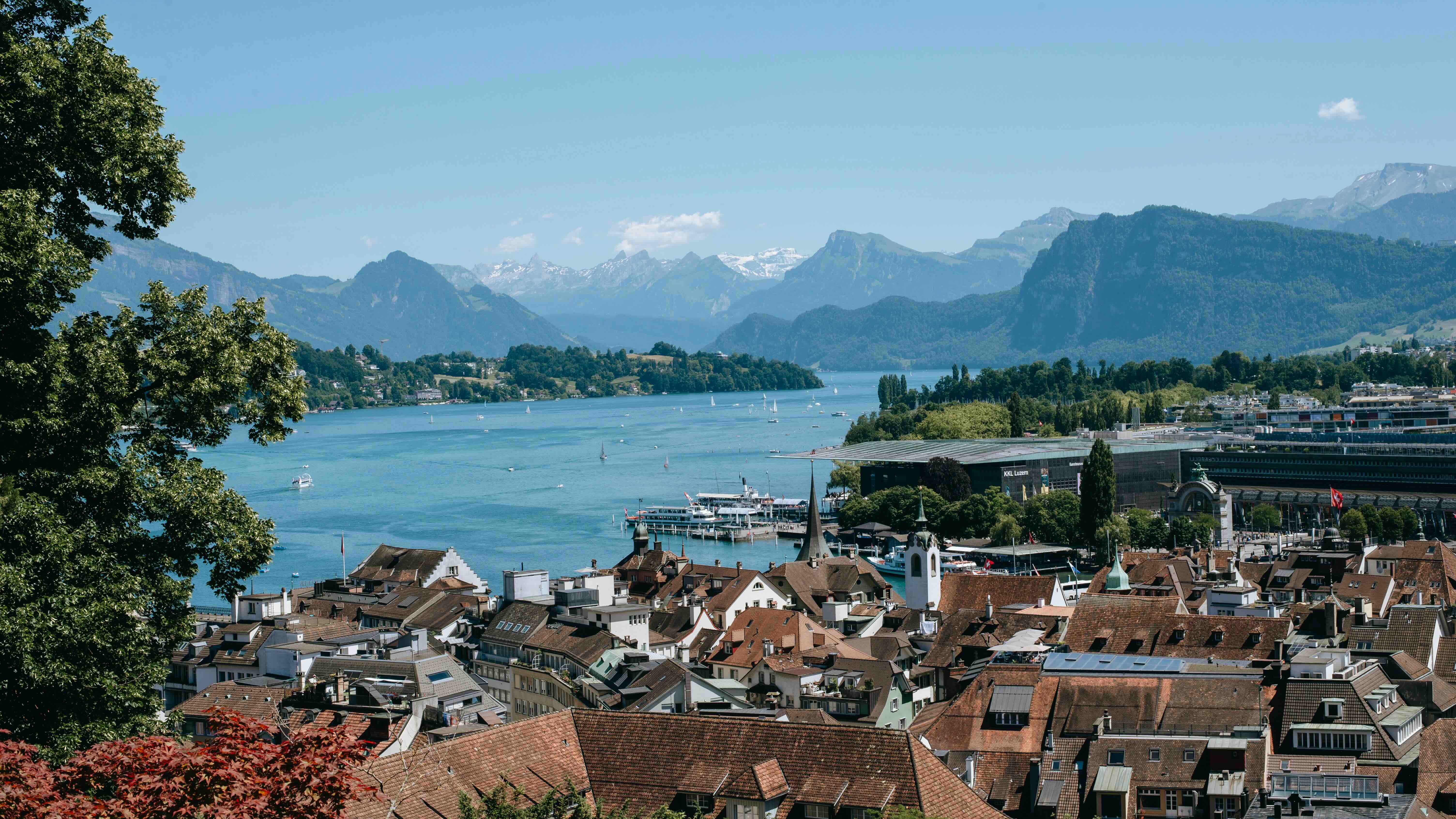
Fifty minutes from Zurich to a lakefront terminus — Chapel Bridge, paddle steamers, and Pilatus and Rigi on the doorstep.
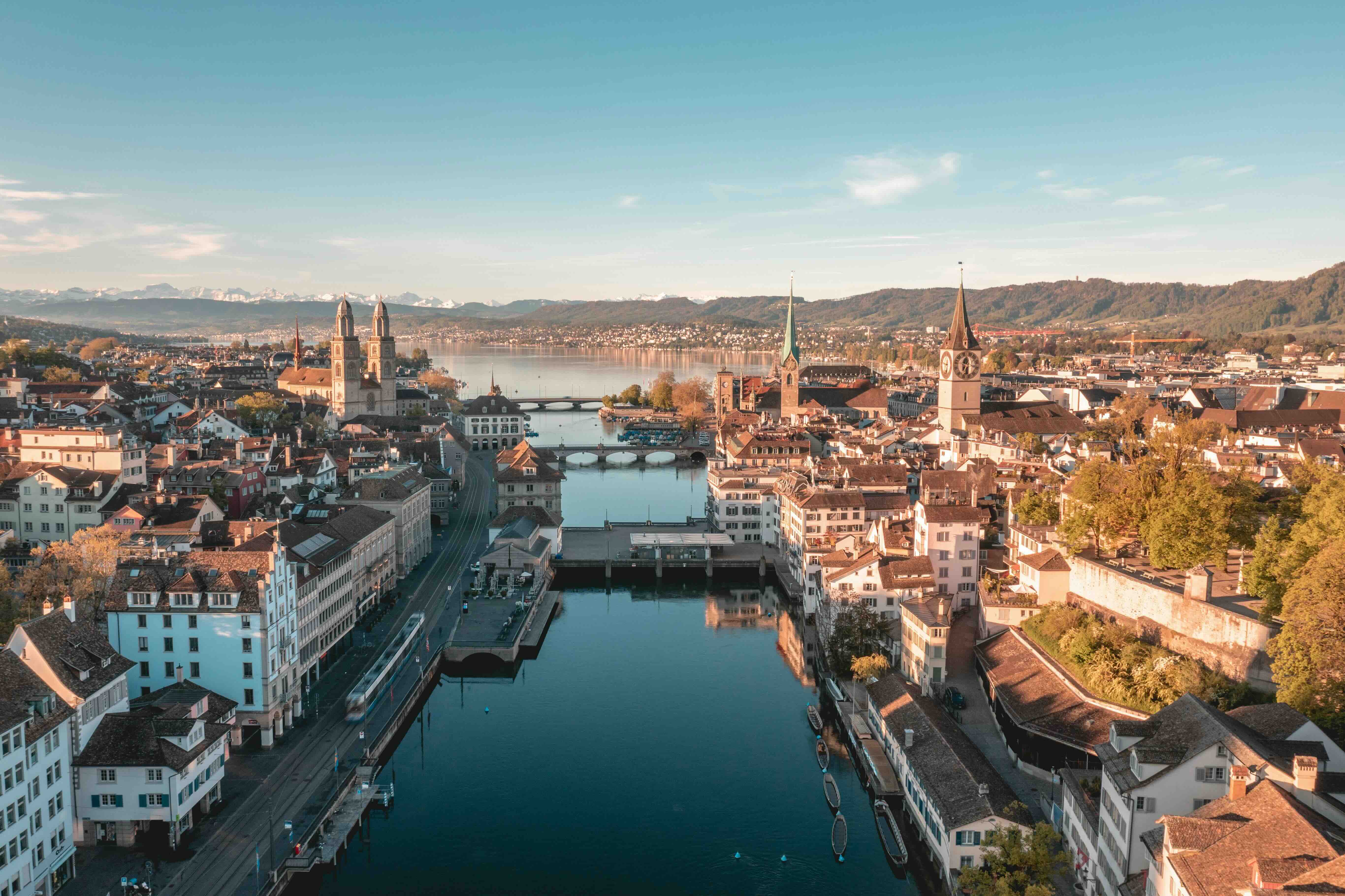
The classic Italy–Switzerland link — past Como and Lugano, then under the Alps through the 57 km Gotthard Base Tunnel.
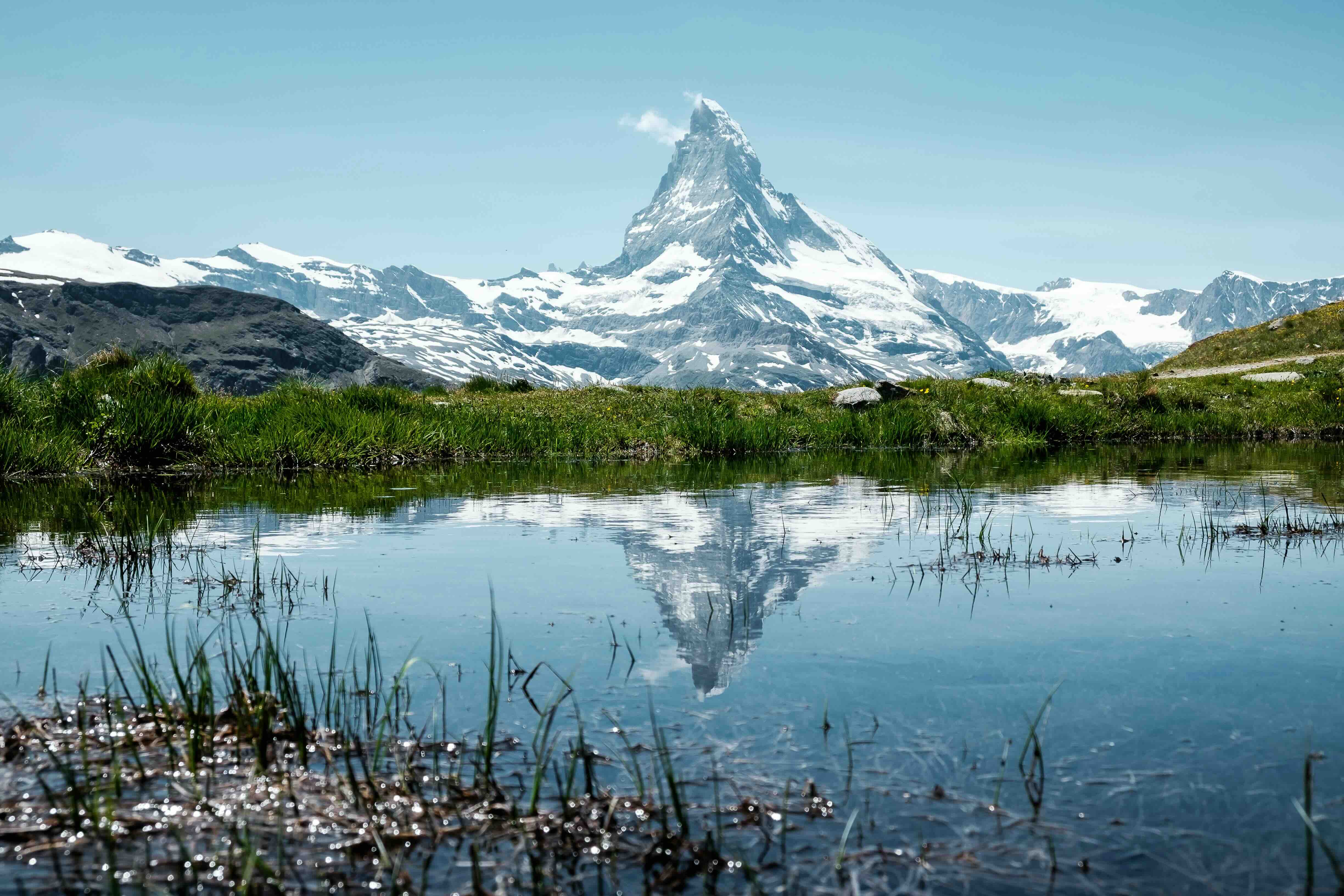
The Matterhorn gateway — Bern to car-free Zermatt in about 2h 10m, with one easy change at Visp onto the mountain railway.
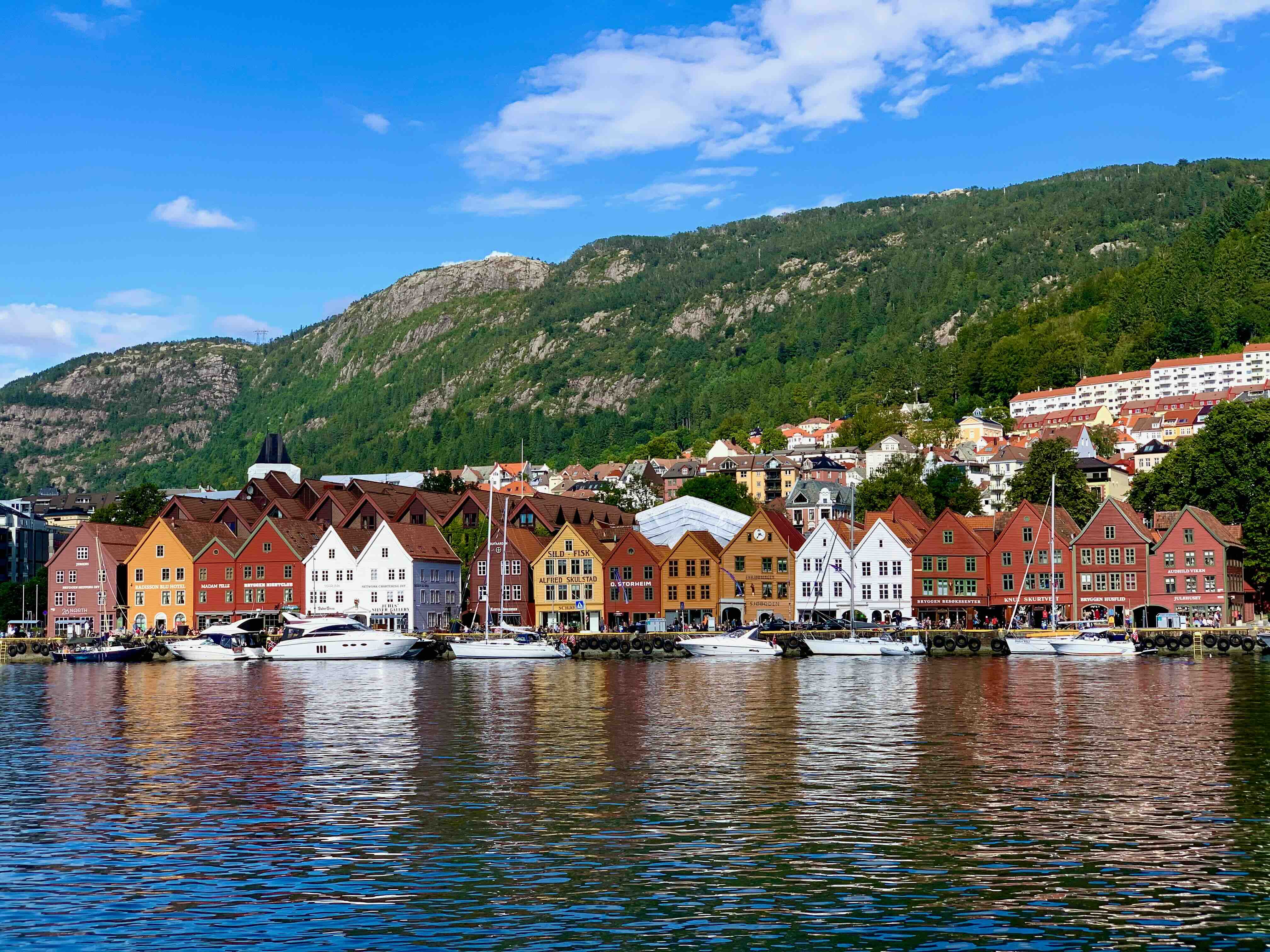
One of Europe's greatest rail journeys — from the Oslofjord across the Hardangervidda plateau to the fjord city of Bergen.
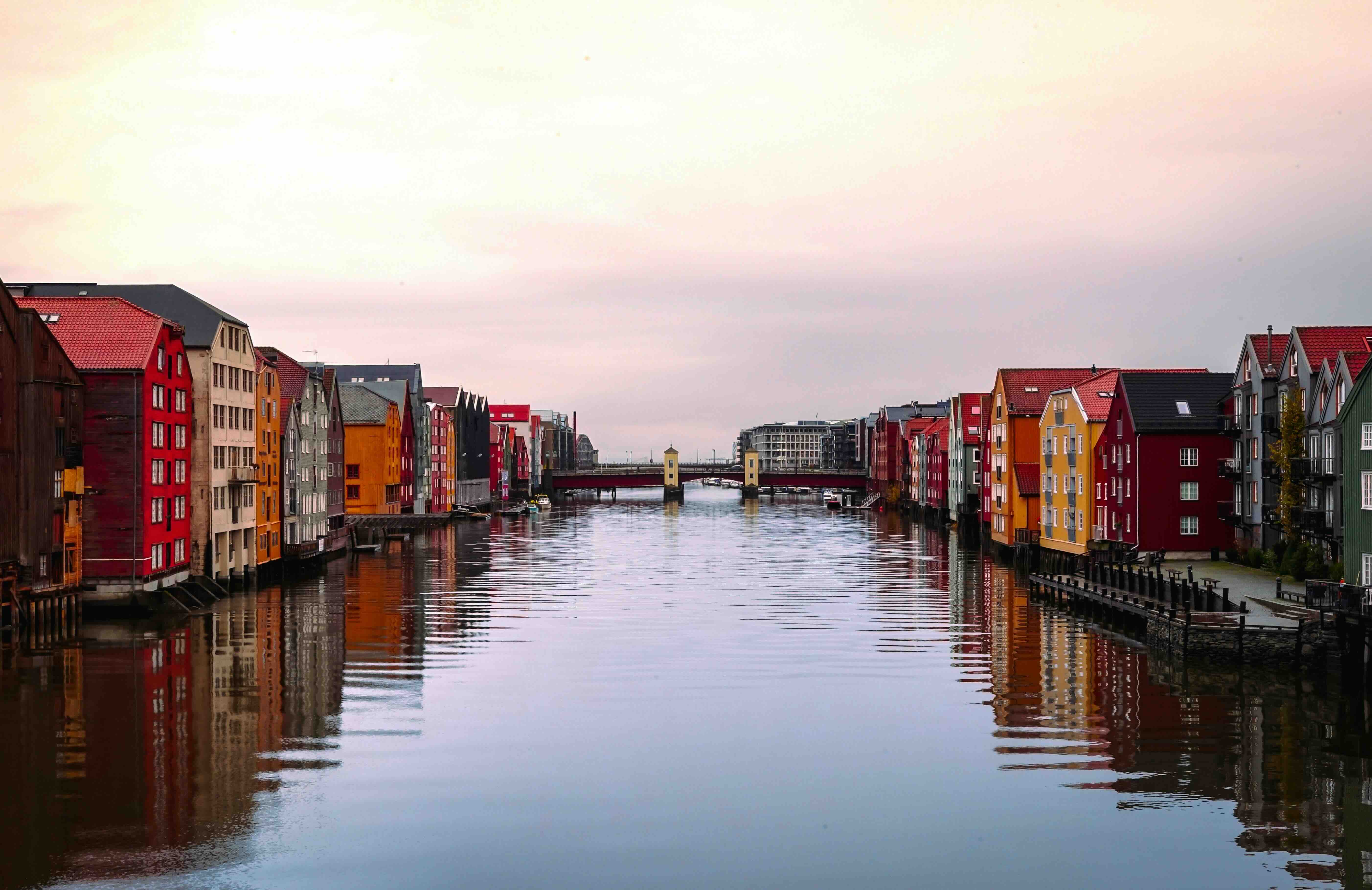
Norway's great cross-country journey — the Bergen Line and the Dovre Line back to back, over two mountain plateaus via Oslo to historic Trondheim.
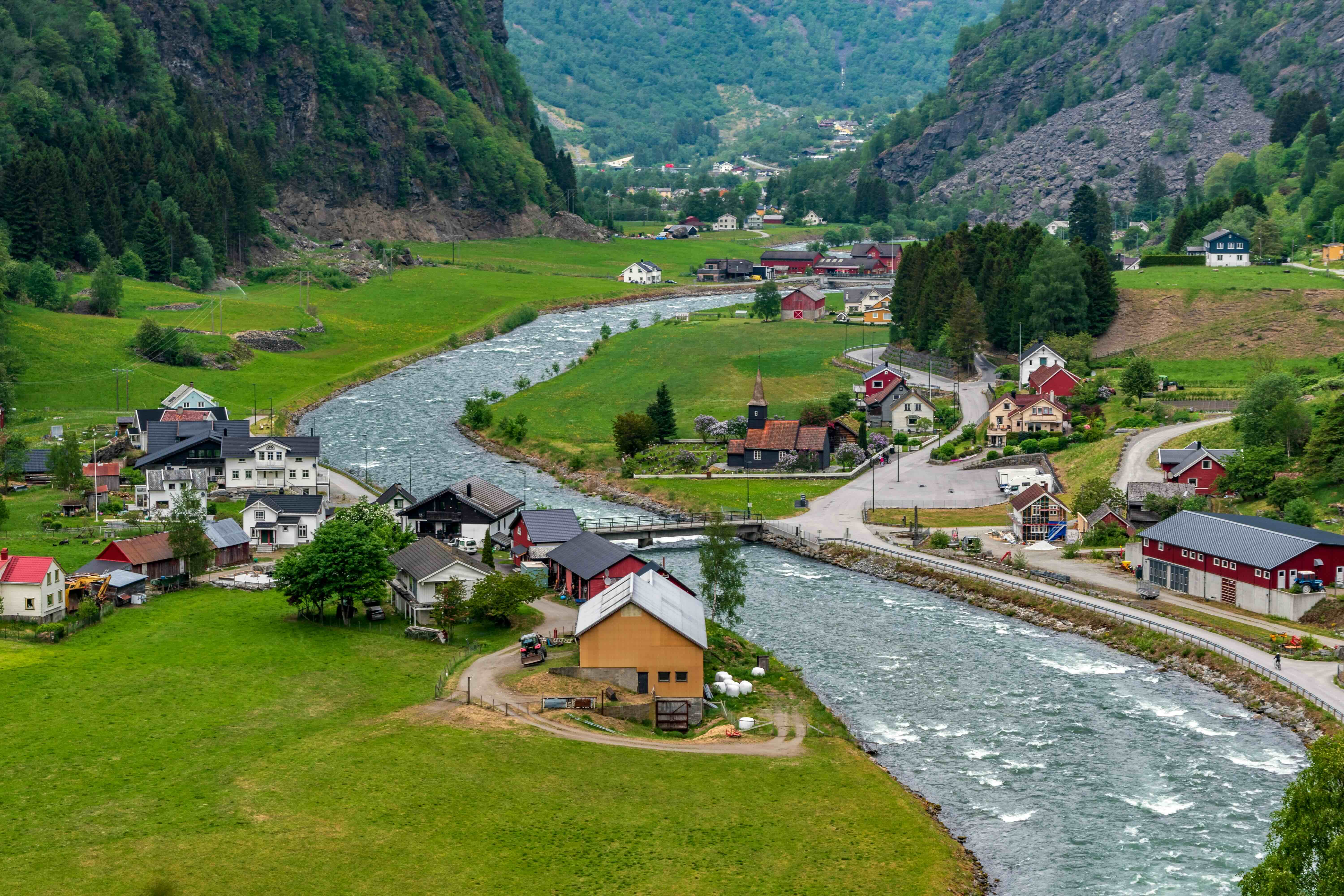
One of the steepest standard-gauge railways in the world, plunging through waterfalls into Norway's Aurlandsfjord.
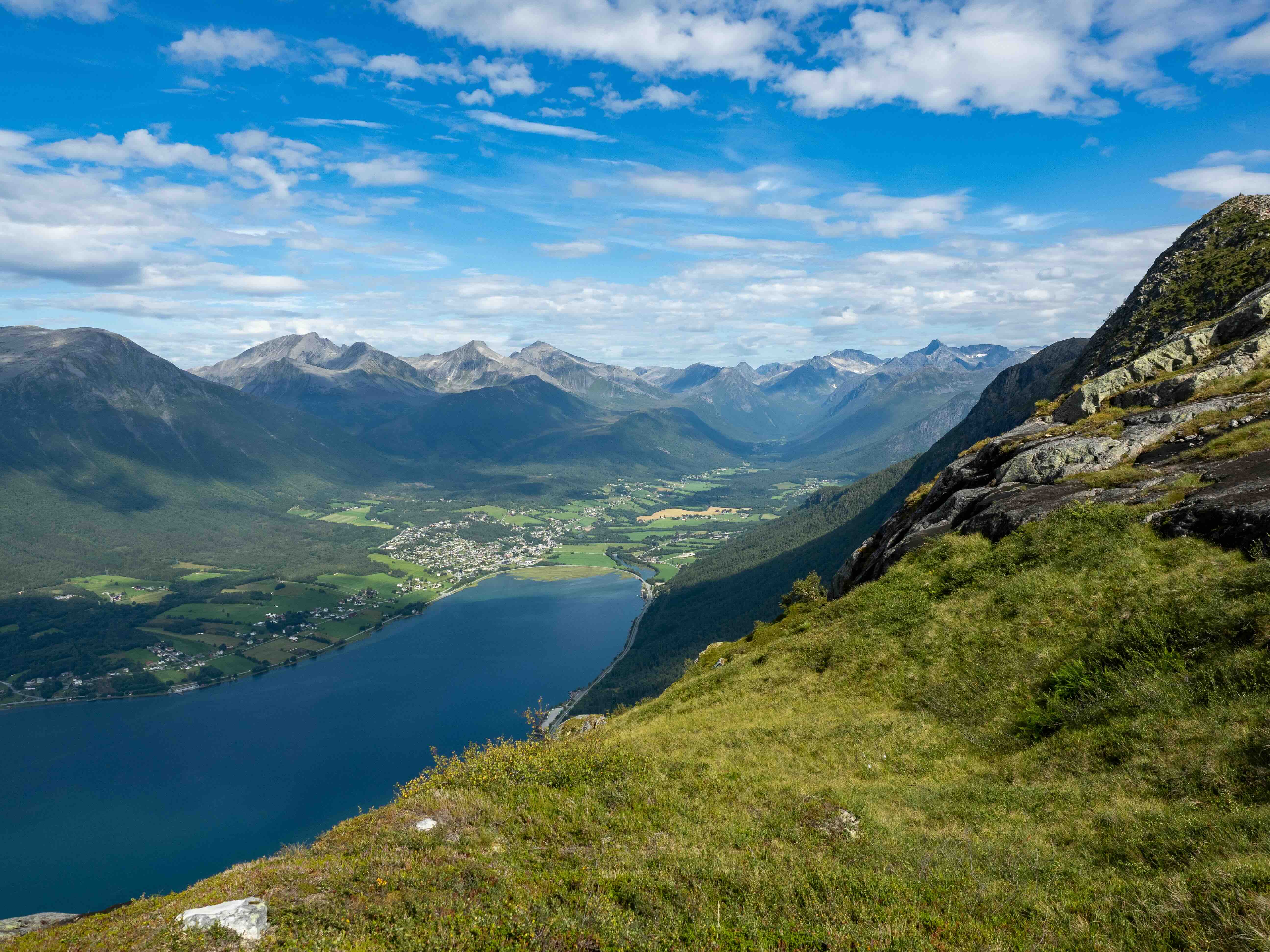
One of Norway's most scenic railways — down the Romsdal valley past Kylling Bridge and the Trollveggen to the fjord at Åndalsnes.
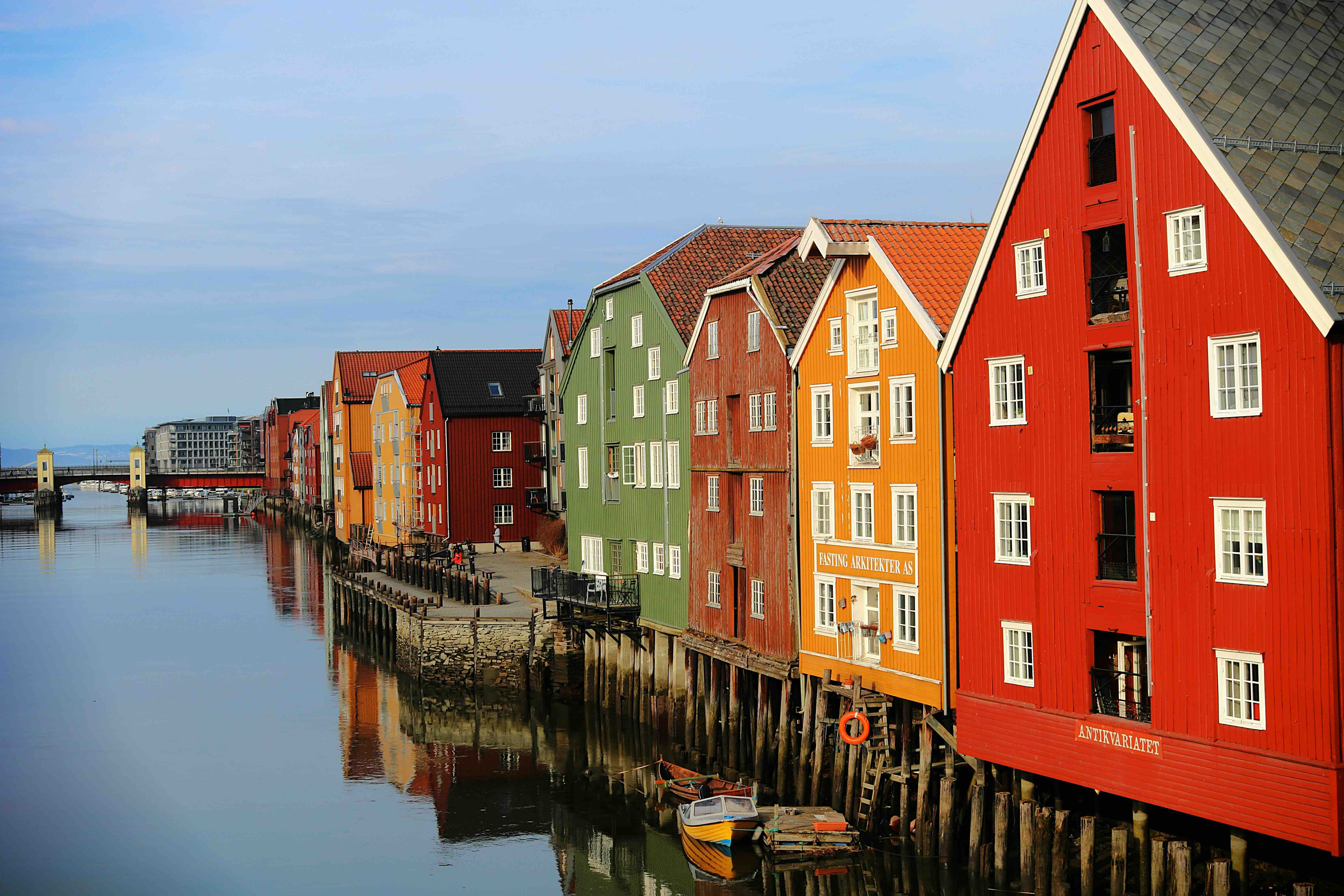
The Dovre Line — north along Lake Mjøsa and the Gudbrandsdalen valley, then over the Dovrefjell plateau to medieval Trondheim.
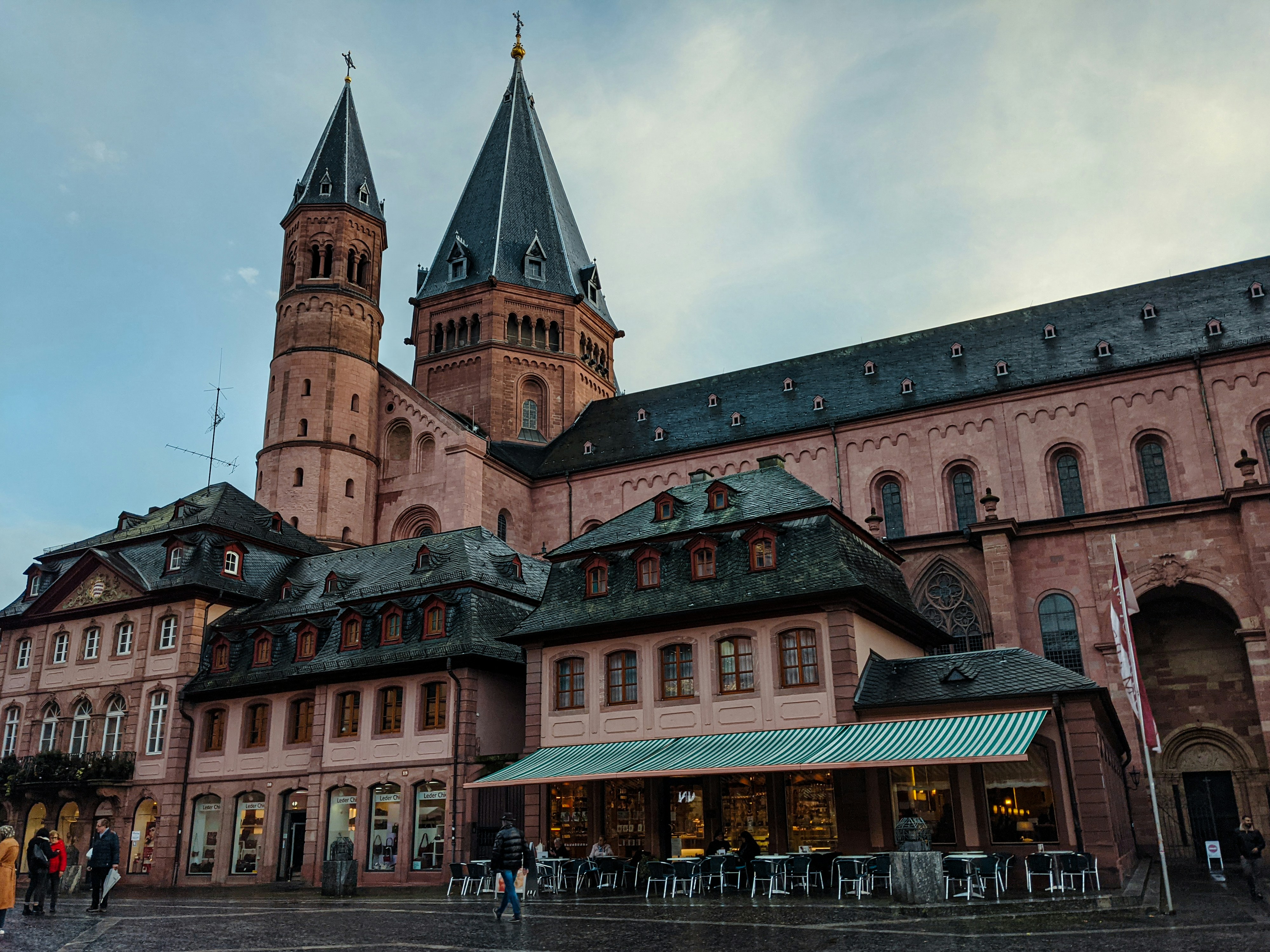
The Rhine Gorge UNESCO corridor — castles, vineyards, and the Lorelei rock framed from your window seat.
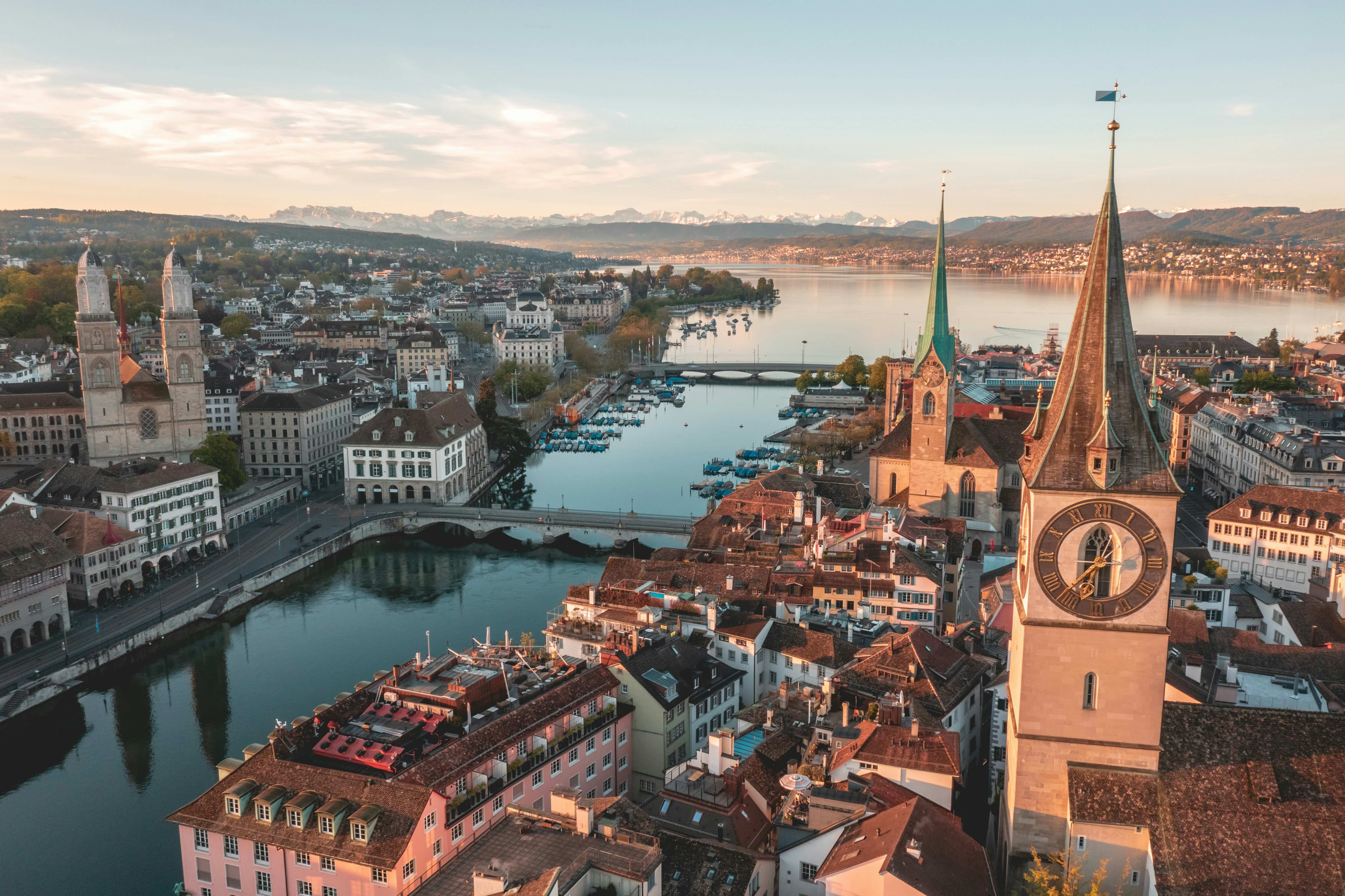
Depart the canals of Amsterdam and wake up beneath the Swiss Alps — no flight, no carbon guilt.
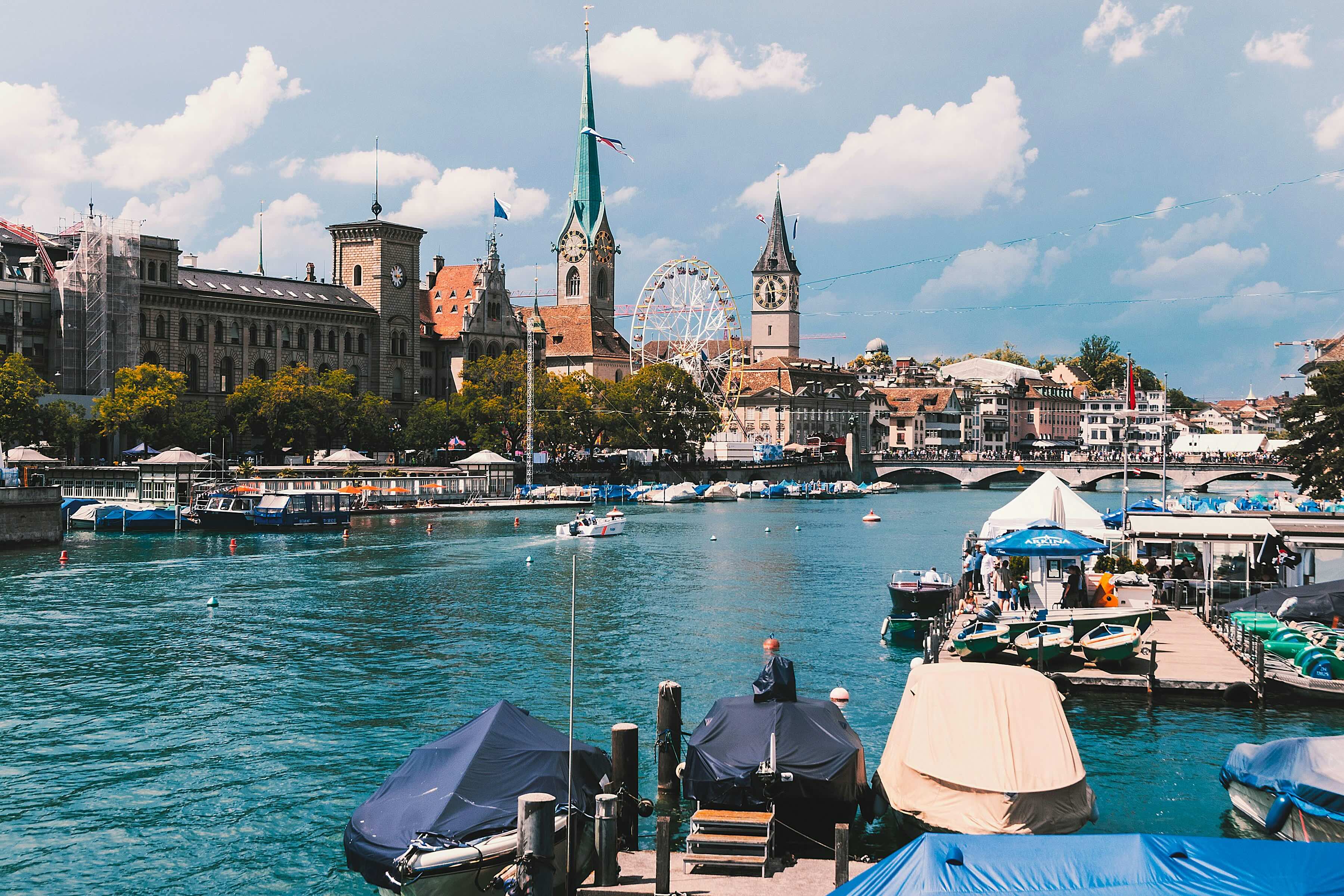
Depart Berlin Hbf in the evening, roll through Bavaria into Switzerland at dawn.
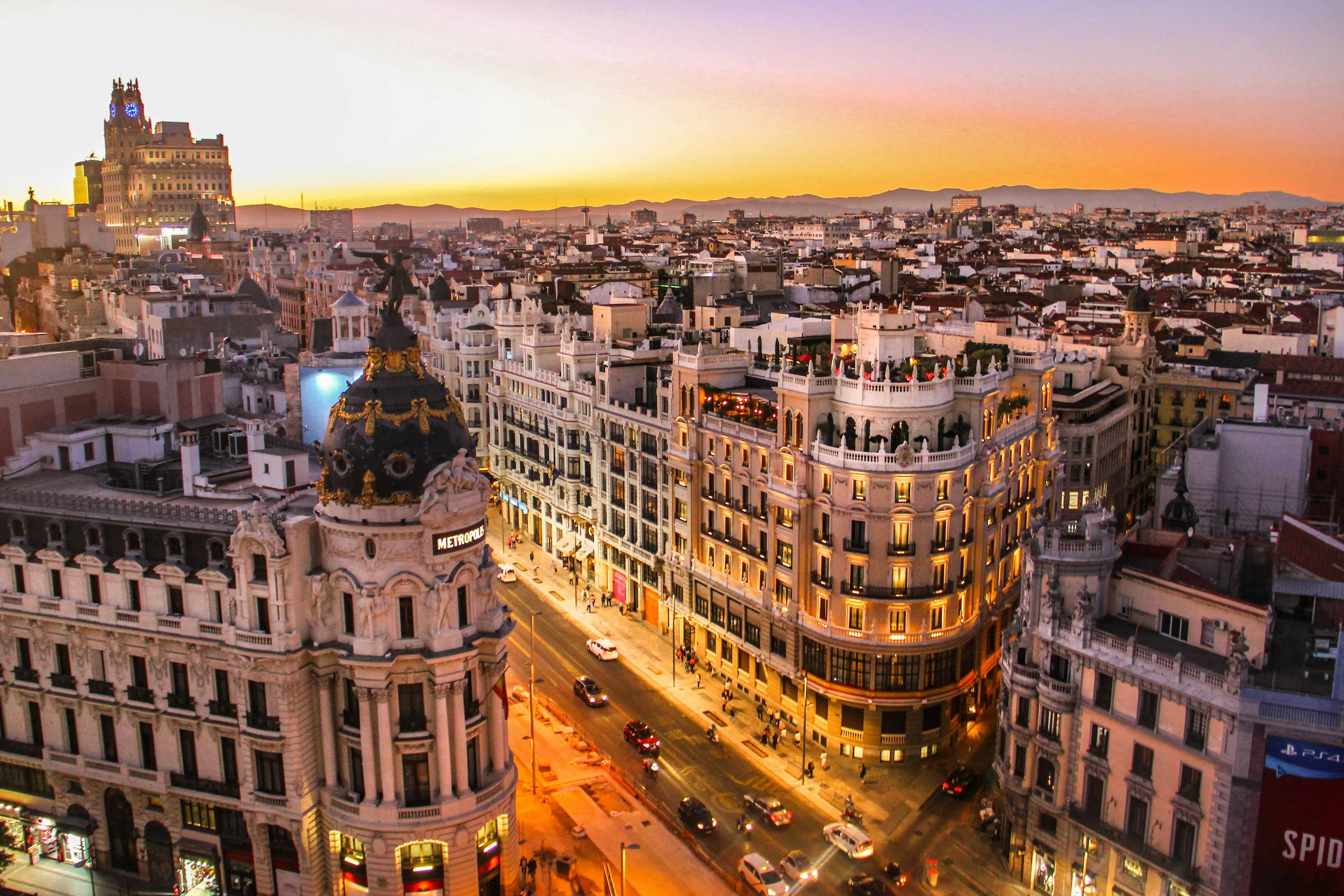
The Grand Iberian Arc — Paris to Madrid via the Pyrenees. Ten hours of landscape, no airport required.
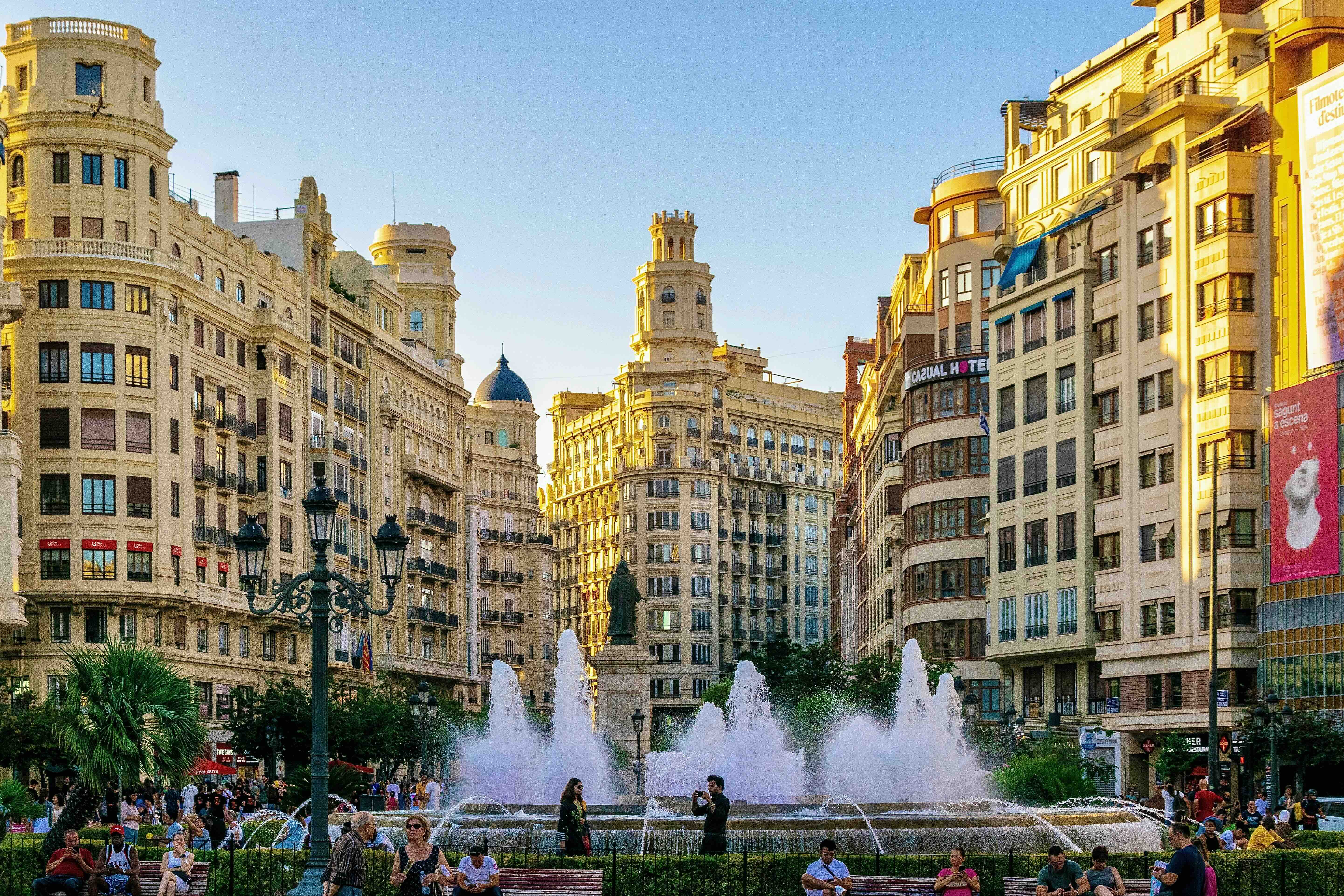
The Spanish Mediterranean — coastline, citrus groves, and city-centre arrival in 2h 45m.
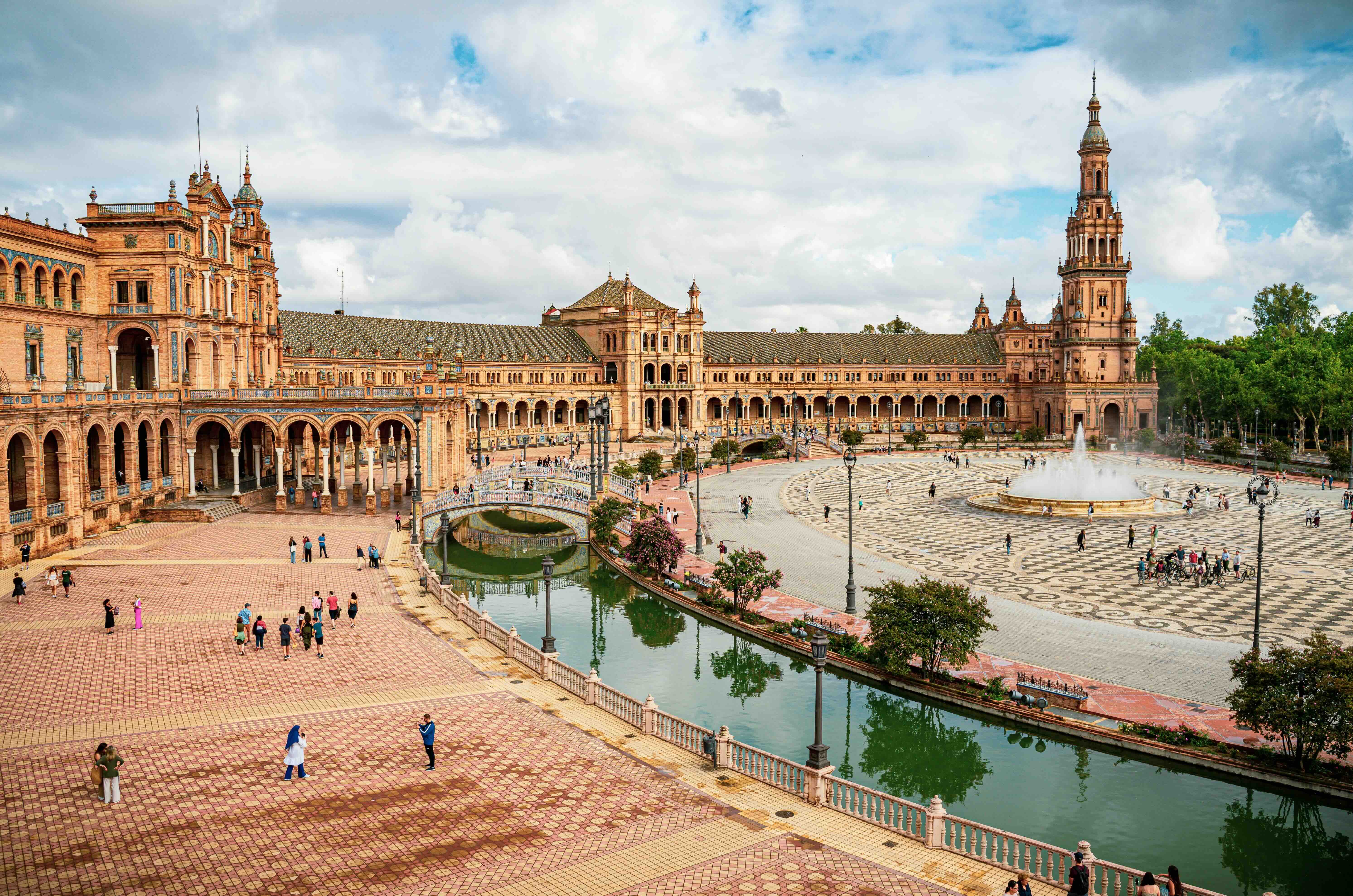
Spain's original high-speed line — across the plains of La Mancha and over the Sierra Morena to the Andalusian capital in around 2h 30m.
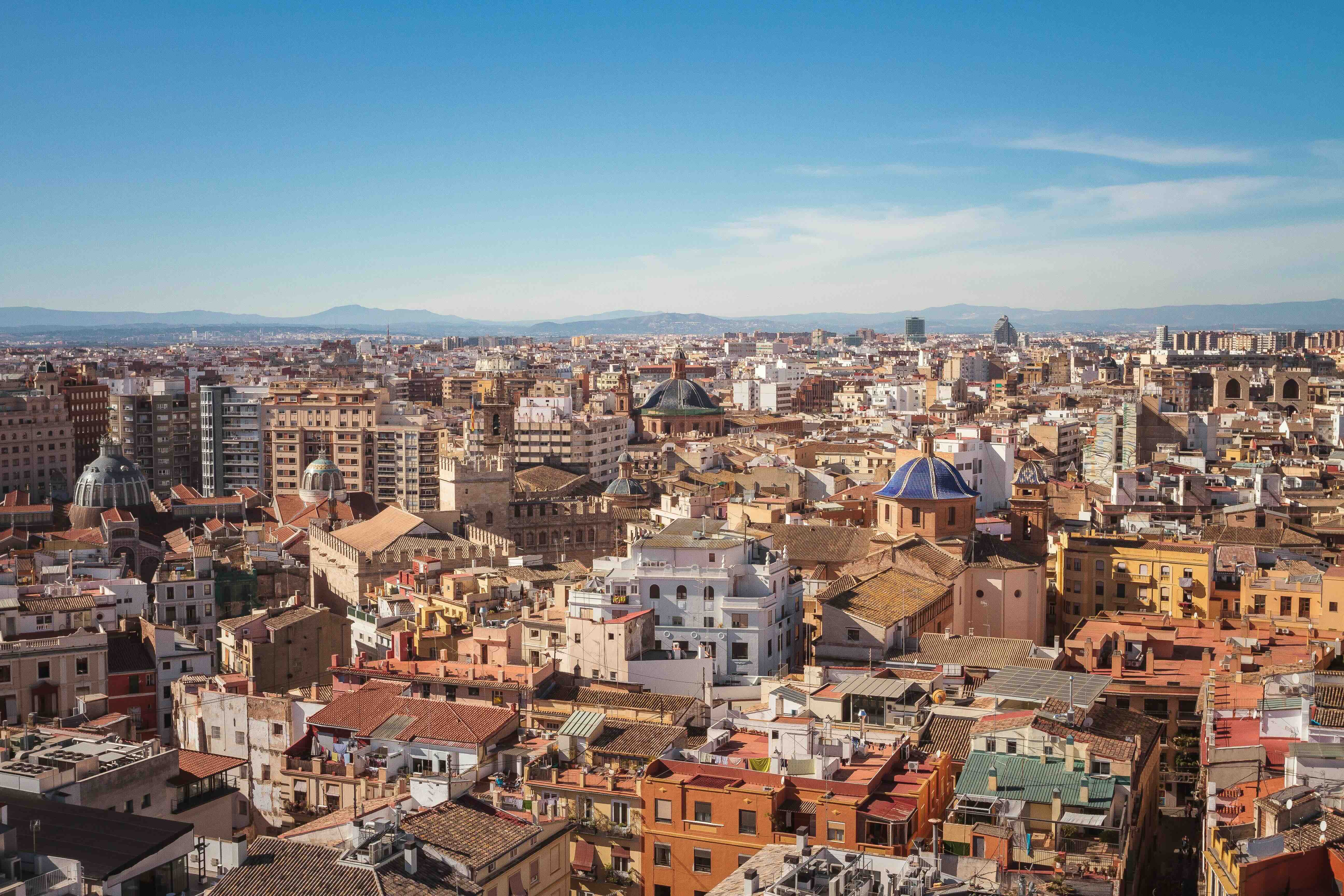
Capital to coast in under two hours — across the La Mancha plateau and down to the Mediterranean on Spain's most competitive corridor.
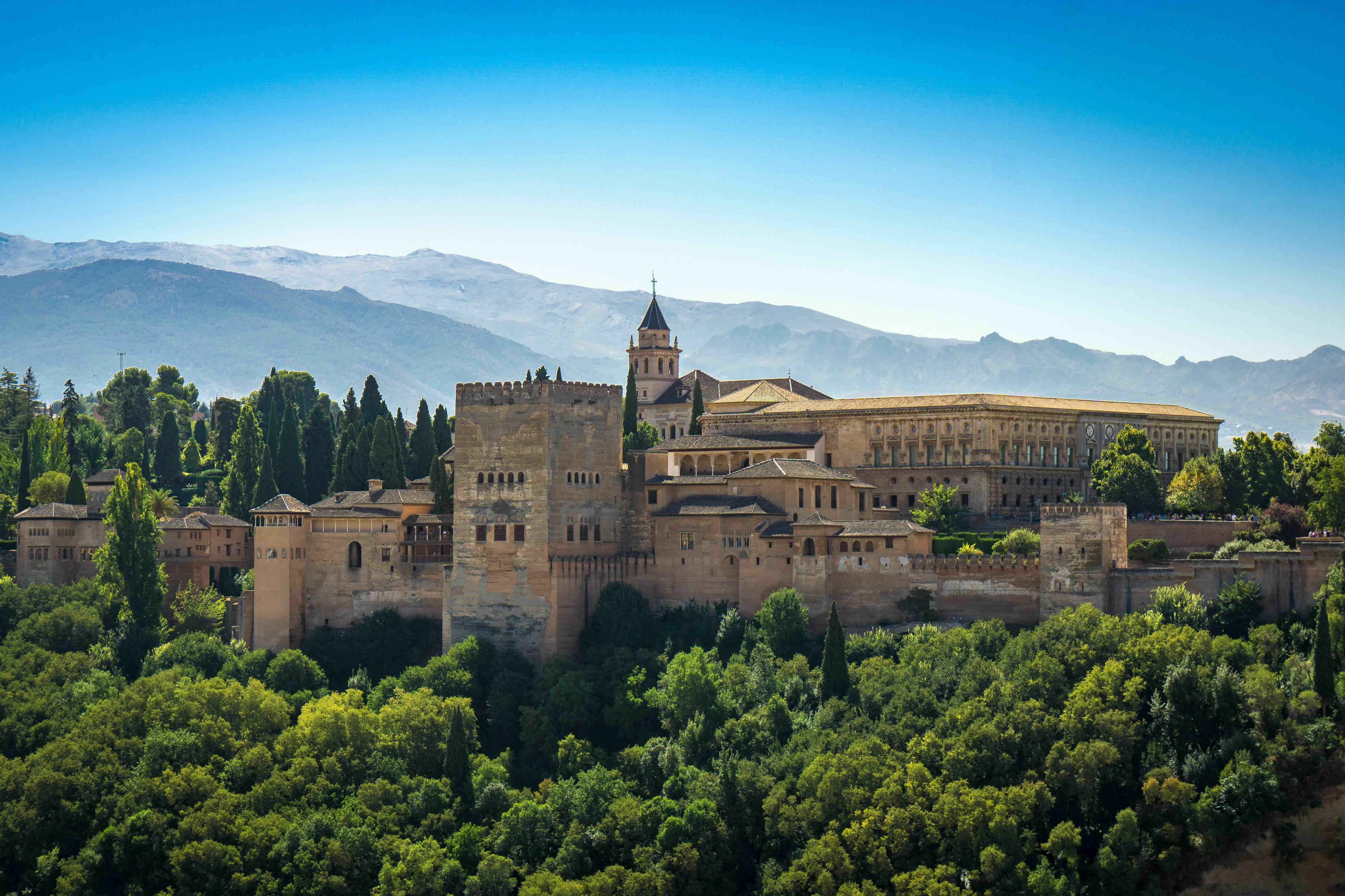
The easiest rail link between Andalusia's two great cities — Santa Justa to Granada in about 2½ hours, via Córdoba, no mountain driving required.
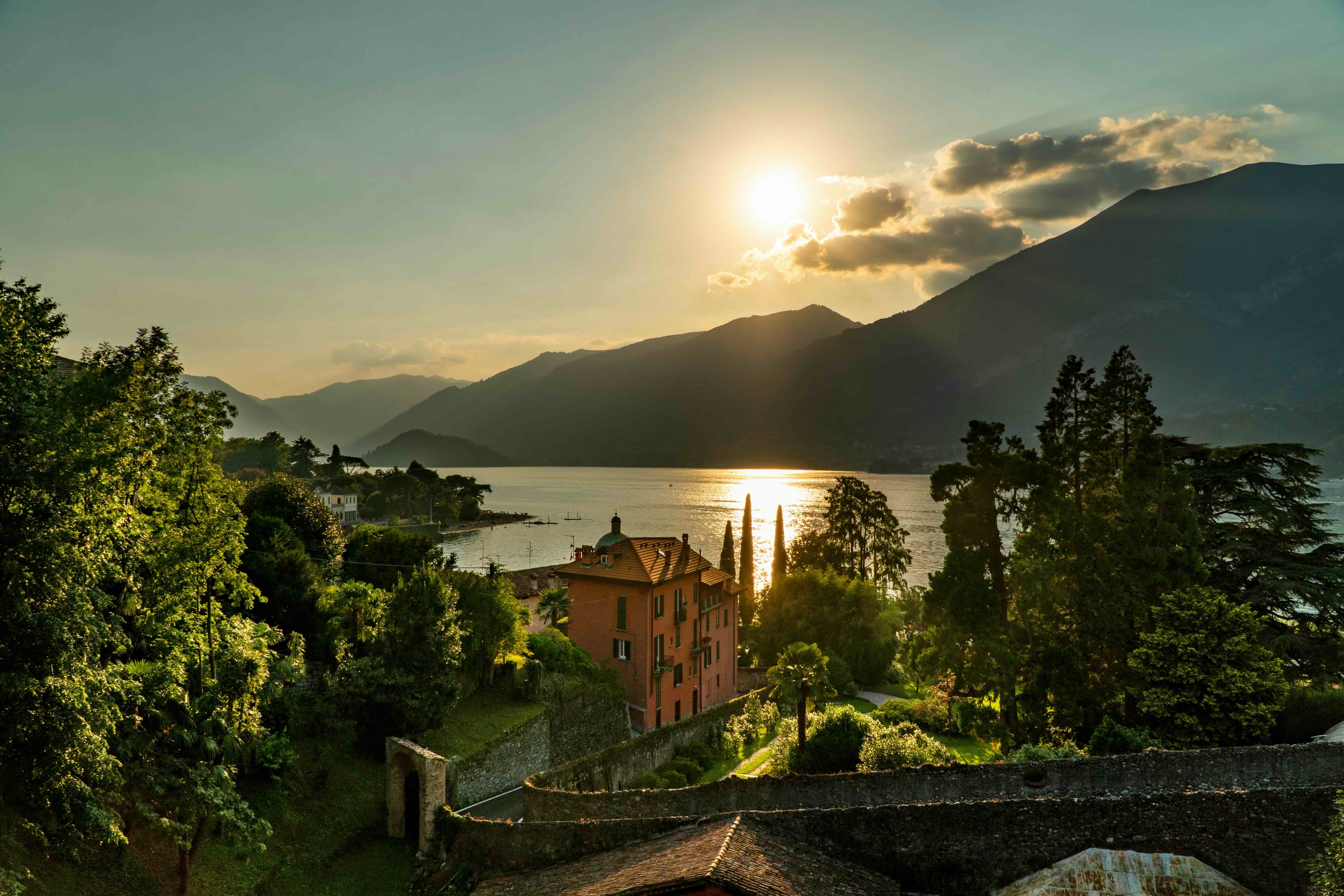
The Luxury Escape — 40 minutes from the fashion capital to one of Europe's most celebrated lakes.
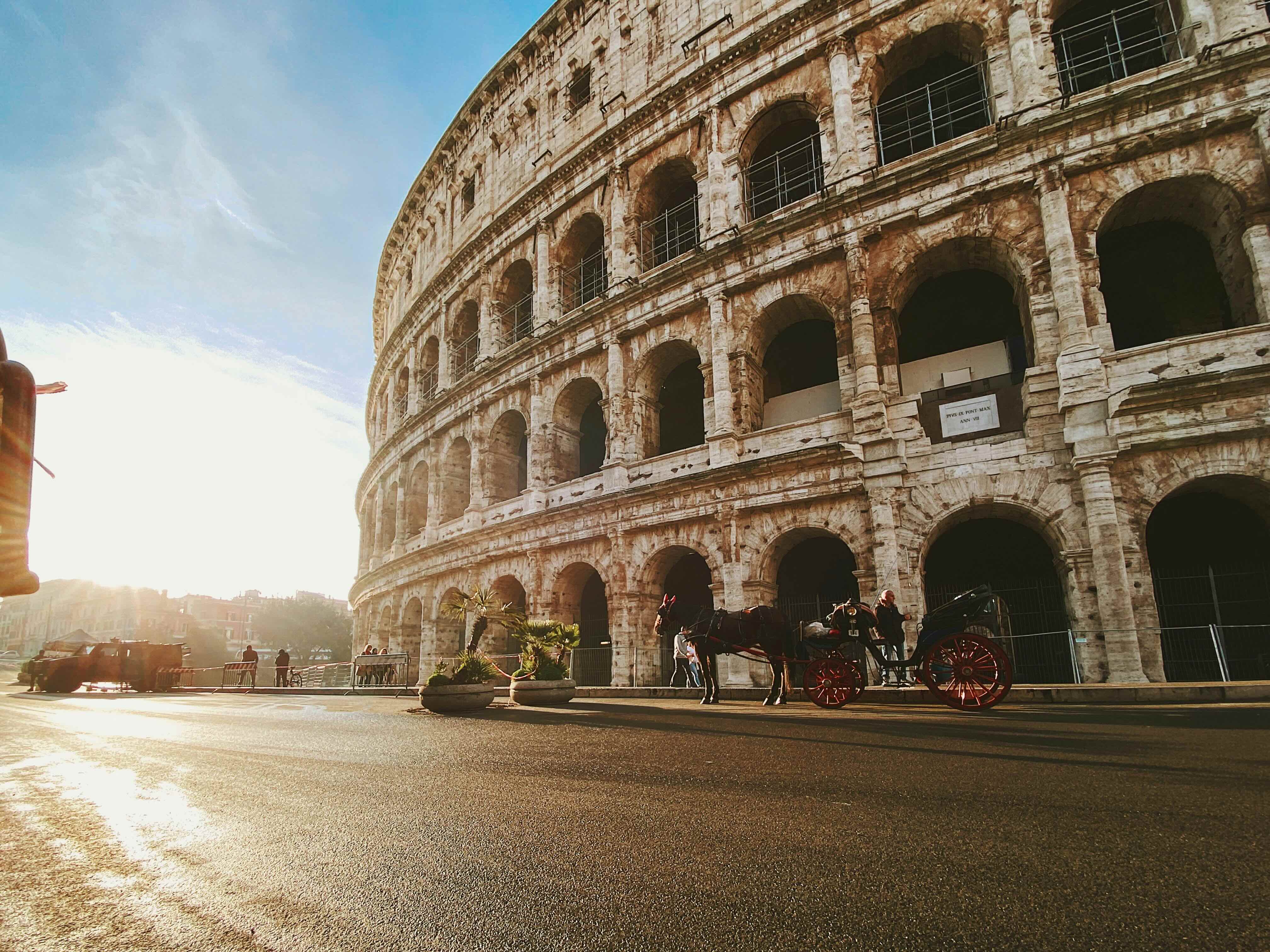
The Heritage Dash — Florence to Rome in 89 minutes. So fast that no airline flies the corridor nonstop.
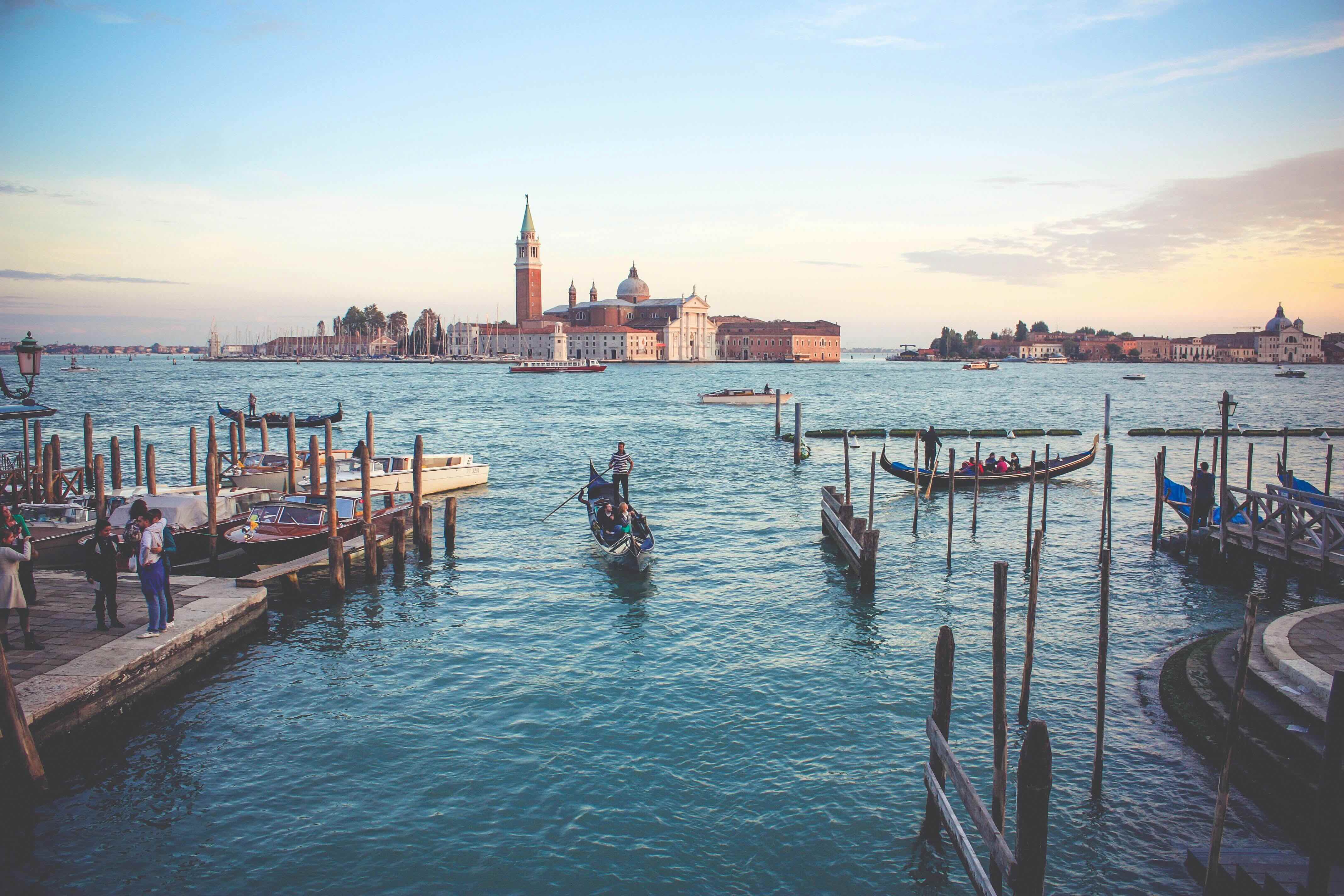
The Northern Italian Dash — Milan to Venice in about 2h 15m, arriving directly on the Venetian islands.
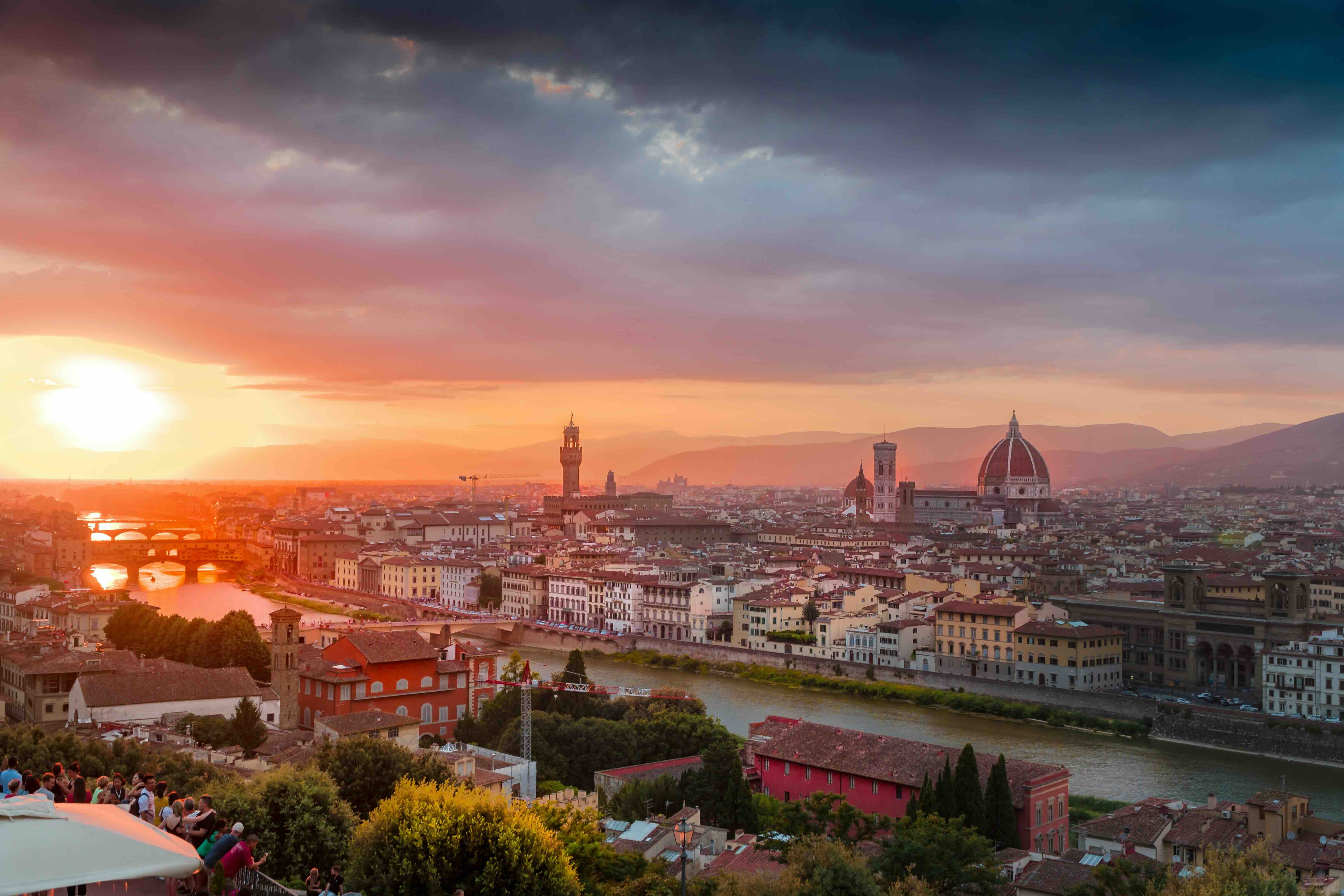
One of Italy's flagship high-speed runs — Milano Centrale to the edge of the Renaissance centre in under two hours, via Bologna.
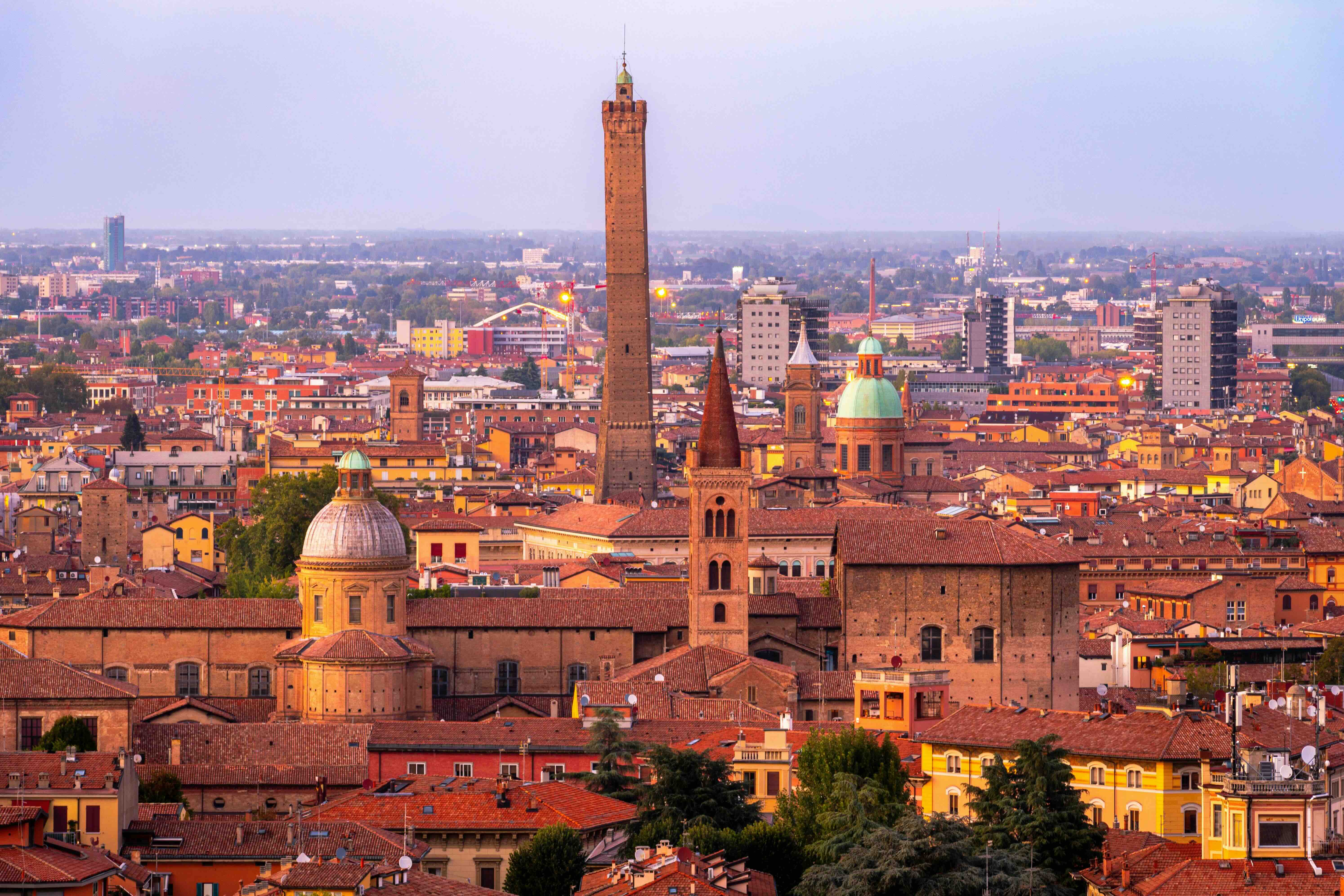
The northern end of Italy's high-speed spine — Milano Centrale to Bologna Centrale in about an hour, to the country's central railway crossroads.
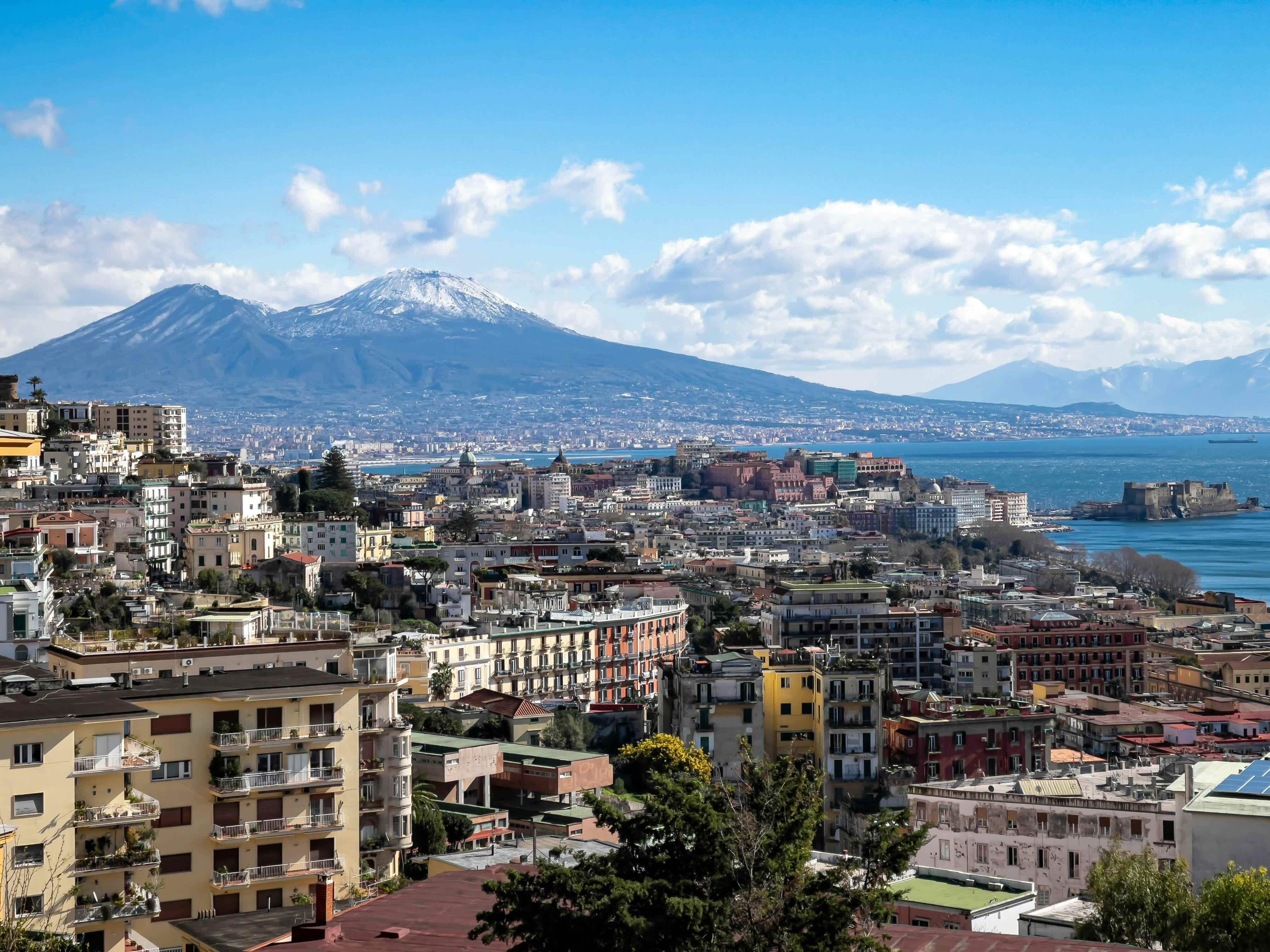
The Southern Direttissima — Rome to Naples in about 1h 10m, city centre to city centre and the gateway to the south.
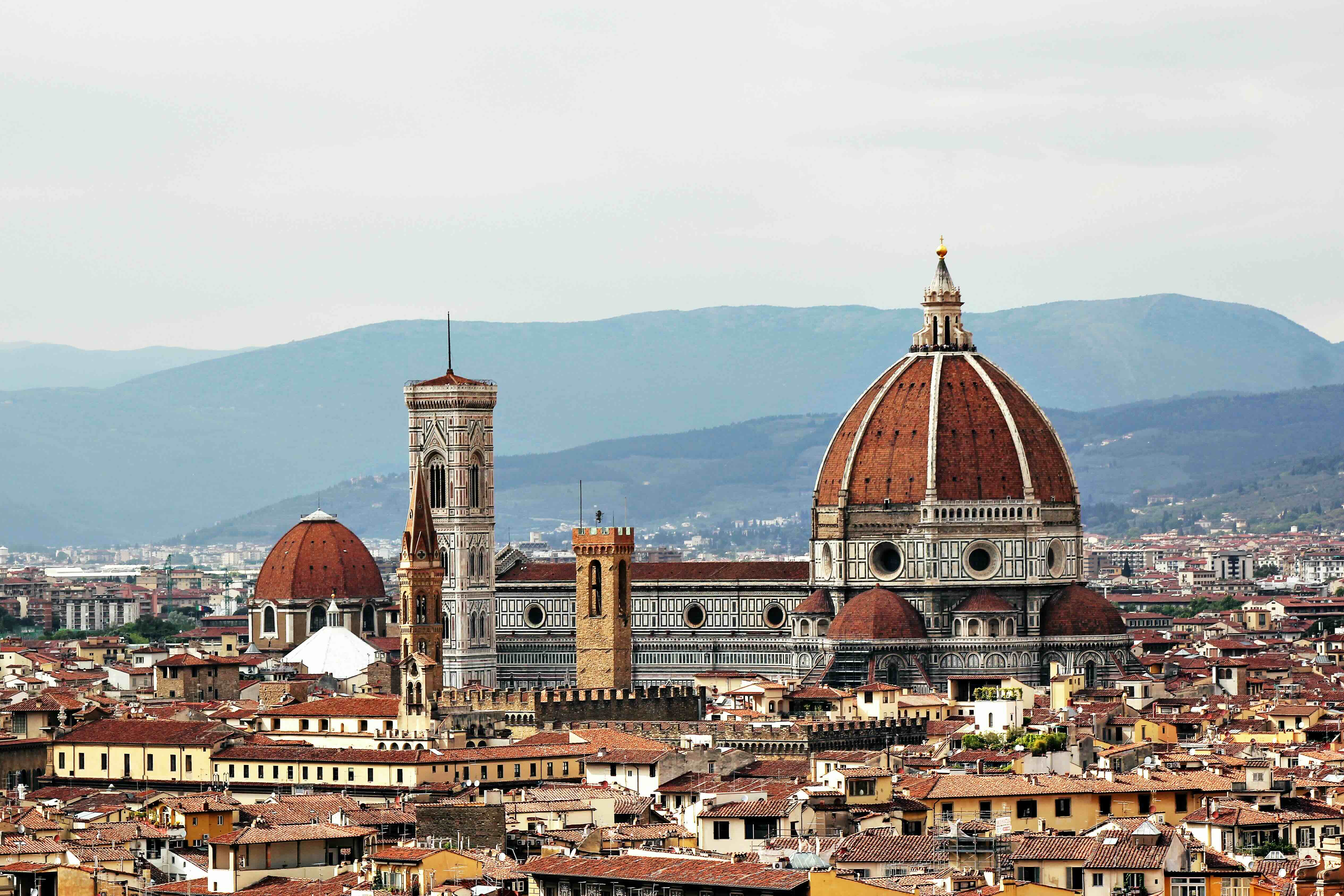
Across the Apennines — Venice to Florence in about 2h 05m, island station to a few streets from the Duomo.
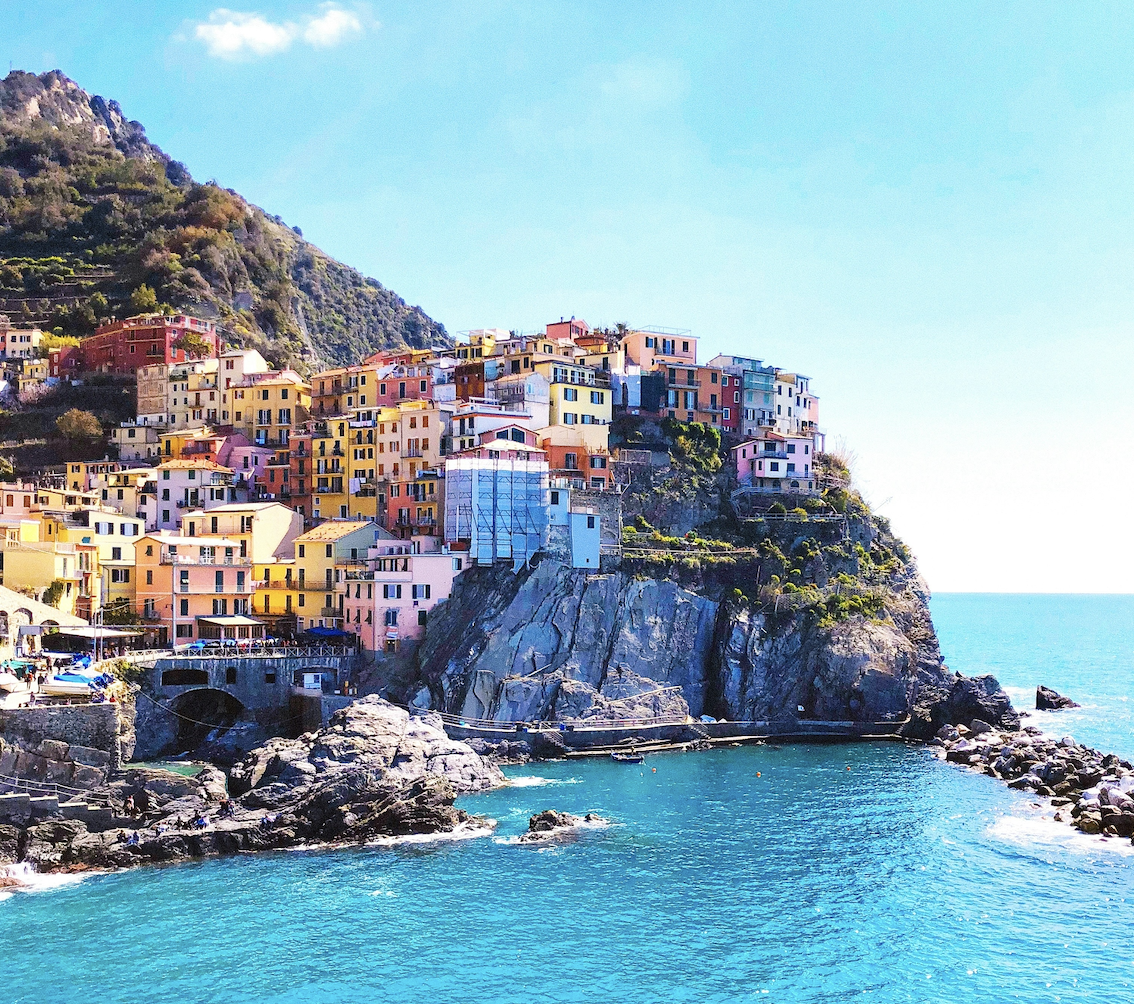
The classic route from Florence to the Cinque Terre — down the Arno to Pisa and up the Ligurian coast, no car and no reservations required.