Cologne to Antwerp by Train
Direct ICE via Brussels Airport
Since 7 September 2026, two direct ICE trains a day each way have linked Köln Hauptbahnhof with Antwerpen-Centraal, calling at Aachen, Liège-Guillemins, Leuven and Brussels Airport-Zaventem. From Cologne, the afternoon train takes about 2 hours 20 minutes and the early-morning train nearer 2 hours 50. At other times of day, the practical option is a train to Brussels and a change there for Antwerp.
This guide covers both ways of making the trip: the new direct ICE, run by Deutsche Bahn with SNCB, and the regular journeys with a change in Brussels that fill the rest of the day. It explains how the two compare, where the direct train stops, how reservations and Interrail work, and what to expect when you arrive in Antwerp.
Looking for the direct train? The ICE runs via Brussels Airport, not Brussels-Midi. Journey planners also offer connections with a change in Brussels, so check that the train you choose is shown as direct.
Book the direct ICE from Cologne to Antwerp
Deutsche Bahn and NMBS International (B-Europe) both sell the direct ICE between Köln Hbf and Antwerpen-Centraal. Seat reservations are optional, but saver fares are only valid on the train you booked, and they tend to be cheapest when bought early; tickets usually go on sale several months ahead. When you search, check that the train is shown as direct: planners also list journeys with a change in Brussels.
The Direct ICE from Köln Hauptbahnhof
Köln Hauptbahnhof, Germany · 50.943°N, 6.958°E
The direct service began on 7 September 2026. Deutsche Bahn runs it with SNCB, the Belgian national railway, using the ICE 3neo, the newest trains in the ICE fleet, with first and second class. There are two trains each way every day, weekdays and weekends alike, and both follow the same stopping pattern: Aachen, Liège-Guillemins, Leuven and Brussels Airport-Zaventem, then Antwerpen-Centraal.
From Cologne there is one early-morning departure and one in the afternoon; from Antwerp, one in the late morning and one in the evening. The two trains from Cologne are not equally quick: the afternoon train takes about 2 hours 20 minutes, while the early-morning train is slower at nearer 2 hours 50. Towards Cologne, both take about 2 hours 25 minutes. Timetables can change, especially at the annual timetable change in December, so check the exact departure before you travel.
Cologne–Antwerp - Direct ICE Facts
- RouteKöln Hbf → Antwerpen-Centraal, no change
- StopsAachen, Liège-Guillemins, Leuven, Brussels Airport-Zaventem
- Not servedBrussels-Midi, Brussels-Central and Brussels-Nord
- TrainICE 3neo, run by Deutsche Bahn with SNCB
- FrequencyTwo direct trains each way, every day
- Journey timeAbout 2h20 to 2h50 from Cologne - check current schedules
- ReservationsOptional
Direct ICE or a Change in Brussels?
Two ways to make the trip, and when each makes sense
The direct ICE is the simplest way to make the trip: one seat from Cologne to Antwerp, no change, and no need to cross Brussels. Its limitation is frequency. With only two trains a day in each direction, most departure times are not covered, and that is where the Brussels route comes in.
The alternative is a fast train from Cologne to Brussels on the existing corridor, then one of the frequent Belgian trains north to Antwerp. It usually takes a little longer than the faster direct ICE, depending on the connection, but it runs throughout the day. Direct does not always mean faster here: the early-morning direct train from Cologne can take about as long as a well-timed connection, so its main advantage is not having to change. DB and NMBS International can usually sell the whole journey with the change on a single ticket.
Direct ICE vs via Brussels
- Direct ICENo change · two trains each way daily · via Brussels Airport
- Via BrusselsOne change · departures through the day · via Brussels city stations
- SpeedThe faster direct train usually wins; the early-morning one is closer to a good connection
- Best forDirect: simplicity and luggage. Via Brussels: flexible timing
The Journey: Aachen, Liège, Leuven and Brussels Airport
Four stops across the Belgian-German border
Leaving Cologne, the ICE runs west across the Rhineland plain to Aachen, Charlemagne's city and the last German stop. Shortly afterwards it crosses into Belgium in the wooded hills of the Pays de Herve and drops into the Meuse valley at Liège-Guillemins, Santiago Calatrava's sweeping white station of concrete and glass. The border is within the Schengen area, so there are no routine checks, but carry your passport or ID card.
From Liège the train crosses the open Hesbaye plateau on the high-speed line to Leuven, the old university city with its ornate Gothic town hall, an easy stop to break the journey. Instead of continuing into central Brussels, the direct ICE then turns off to Brussels Airport-Zaventem, its only Brussels stop, before heading north through Flanders to Antwerp.
The Four Stops
The airport stop also makes the ICE useful for flights. Brussels Airlines and Deutsche Bahn sell combined train-and-flight tickets for connections at Brussels Airport, and Belgian trains run from the airport into Brussels city if that is where you are heading.
Tickets and Reservations
Where to book, seat reservations and Interrail
Two railways sell the direct ICE: Deutsche Bahn, on bahn.de and in the DB Navigator app, and NMBS International, the international sales arm of Belgian rail, on B-Europe. Saver fares reward booking ahead and tie you to the train you choose; flexible fares cost more but let you take another train on the same route. Tickets usually go on sale several months ahead.
Seat reservations are optional on the ICE between Germany and Belgium. Any valid ticket lets you board and take an unreserved seat, and a reservation is worth adding on busy days. Interrail passes are valid on the train; because reservation rules on some international ICE routes can differ in summer, check the Interrail planner for your specific travel date.
Quick Rules
Where to buy: bahn.de or NMBS International (B-Europe); both sell the direct ICE.
Check it is direct: planners also offer journeys with a change in Brussels.
Reservations: optional; saver fares are valid only on the booked train.
Interrail: valid; in summer, check the Interrail planner for your date.
Arriving at Antwerpen-Centraal
Antwerpen-Centraal, Belgium · 51.217°N, 4.421°E
The direct ICE ends at Antwerpen-Centraal, one of Europe's most celebrated stations: a stone-and-iron palace opened in 1905, with a great domed hall above and trains on several levels below. It sits right in the city, so you step out into Antwerp itself. If you are booking a connection via Brussels, make sure your ticket reads Antwerpen-Centraal rather than Antwerpen-Berchem, a secondary station on the southern edge of the city.
From the station the Meir shopping street leads into the old town, with the Grote Markt and its guildhalls, the Cathedral of Our Lady and the Rubens House a short walk away; the diamond district sits right beside the station. Trams and the pre-metro run beneath it, and frequent Belgian trains continue to Ghent and Bruges.
From Antwerpen-Centraal
Hotels in Antwerp
Antwerp rewards staying central, between Antwerpen-Centraal and the old town around the Grote Markt and the cathedral, all within easy walking distance.
Antwerp - central, near the Meir
A polished five-star hotel in a converted neoclassical bank between the station and the old town, walkable to the Meir, the cathedral and the Grote Markt - the classic central luxury address.
Antwerp - beside the station
A large, reliable hotel directly beside Antwerpen-Centraal, the easy practical base for the trains and a short walk from the diamond district and the Meir into the centre.
Antwerp - old town
A characterful, fairly priced boutique hotel in the heart of the old town near the Grote Markt and the river, walkable to everything and a short tram ride from the station.
Hotel links open Booking.com. Railero may earn a commission on bookings at no extra cost to you.
Frequently Asked Questions
- Is there a direct train from Cologne to Antwerp?
- Yes. Since 7 September 2026, Deutsche Bahn has run a direct ICE between Köln Hauptbahnhof and Antwerpen-Centraal, operated with SNCB on the Belgian side. It calls at Aachen, Liège-Guillemins, Leuven and Brussels Airport-Zaventem on the way. At other times of day, the usual journey is a train to Brussels and a change onto a Belgian train to Antwerp.
- How long does Cologne to Antwerp take?
- The direct ICE takes about 2 hours 20 minutes to 2 hours 50 minutes from Cologne, depending on which of the two daily trains you take; the early-morning departure is the slower one. Towards Cologne, the direct trains take about 2 hours 25 minutes. A journey with a change in Brussels usually takes a little longer than the faster direct train, depending on the connection. Check current timetables when you book.
- How many direct trains run each day?
- Two direct ICEs run each way every day, weekdays and weekends: from Cologne, one early in the morning and one in the afternoon; from Antwerp, one in the late morning and one in the evening. Timetables can change, particularly at the annual timetable change in December, so check the departure you want before you travel.
- Does the direct ICE stop in Brussels?
- Only at Brussels Airport-Zaventem. The direct ICE does not call at Brussels-Midi, Brussels-Central or Brussels-Nord. If you need central Brussels, take one of the regular trains via Brussels instead, or change at the airport onto a Belgian train into the city.
- Do I need a reservation?
- Seat reservations are normally optional on the ICE between Germany and Belgium: any valid ticket lets you board and take an unreserved seat. A reservation is worth adding on busy days for a guaranteed seat. Note that saver fares are only valid on the train you booked.
- Can I use Interrail?
- Yes, Interrail passes are valid on the ICE between Cologne and Antwerp, and reservations are normally optional. Reservation rules on some international ICE routes can differ in summer, so check the Interrail planner for your specific travel date.
- Where should I buy tickets?
- Buy from Deutsche Bahn (bahn.de or the DB Navigator app) or from NMBS International (B-Europe), the international sales arm of Belgian rail; both sell the direct ICE. Tickets usually go on sale several months ahead, and saver fares tend to be cheapest when booked early. Whichever site you use, check that the train you choose is shown as direct if you want to avoid a change in Brussels.
Continue Your Journey
Routes that pair naturally with this one — for building your European itinerary.
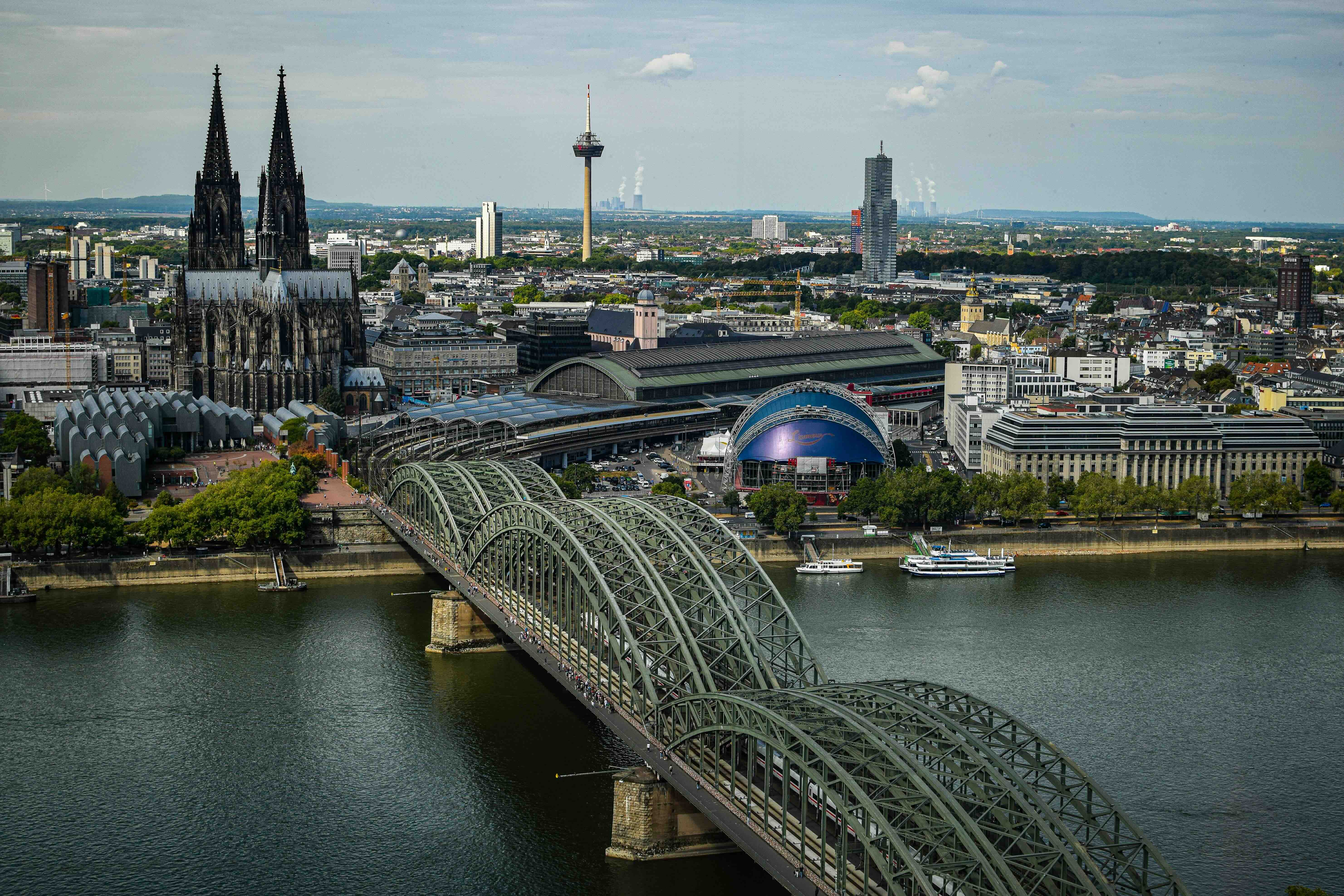
Brussels → Cologne
~1h 47m · ICE International (DB/SNCB)
Changing in Brussels instead? Brussels to Cologne by ICE
View Route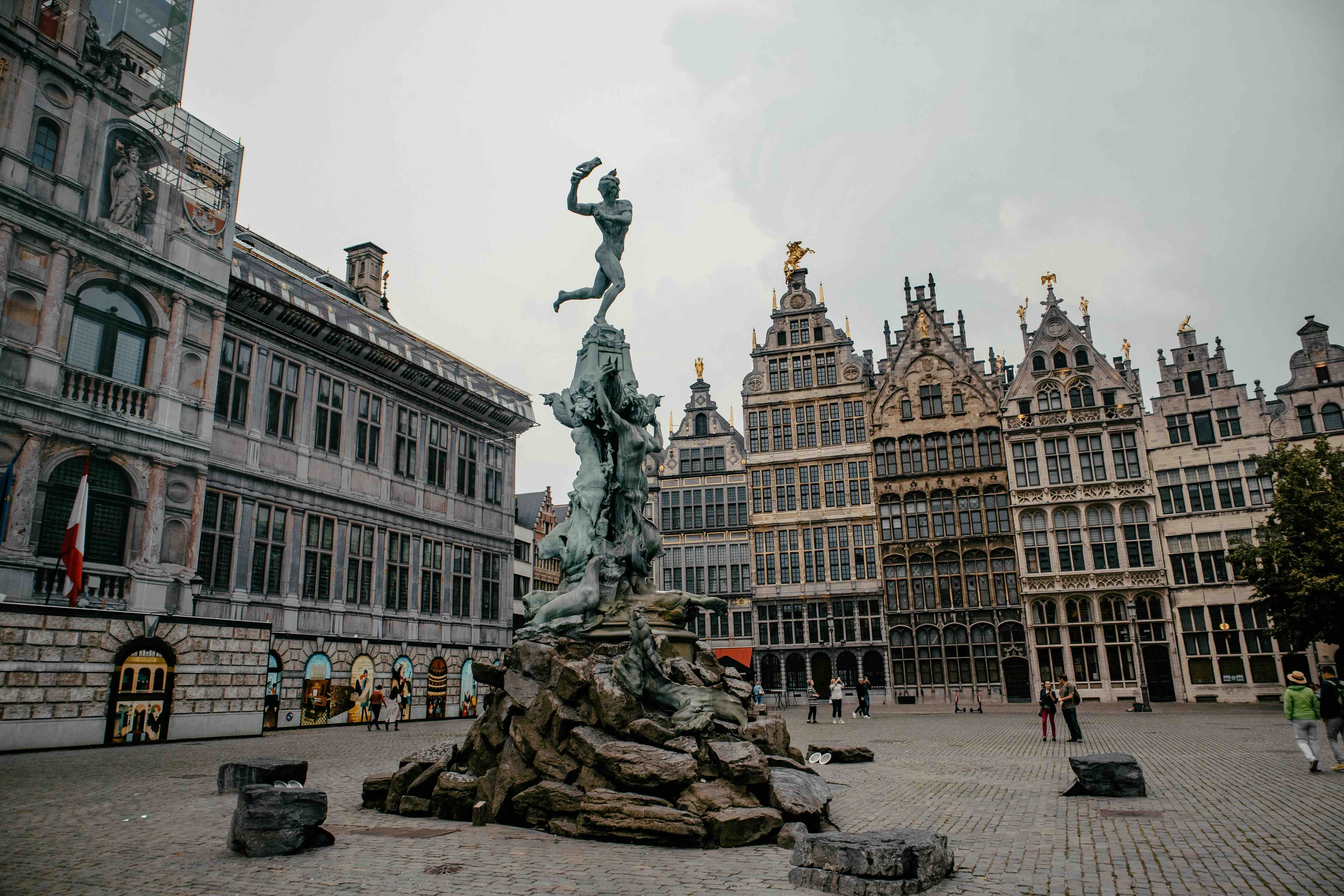
London → Antwerp
~2h 41m · Eurostar (direct from Dec 2026)
Antwerp from London: the Eurostar route
View Route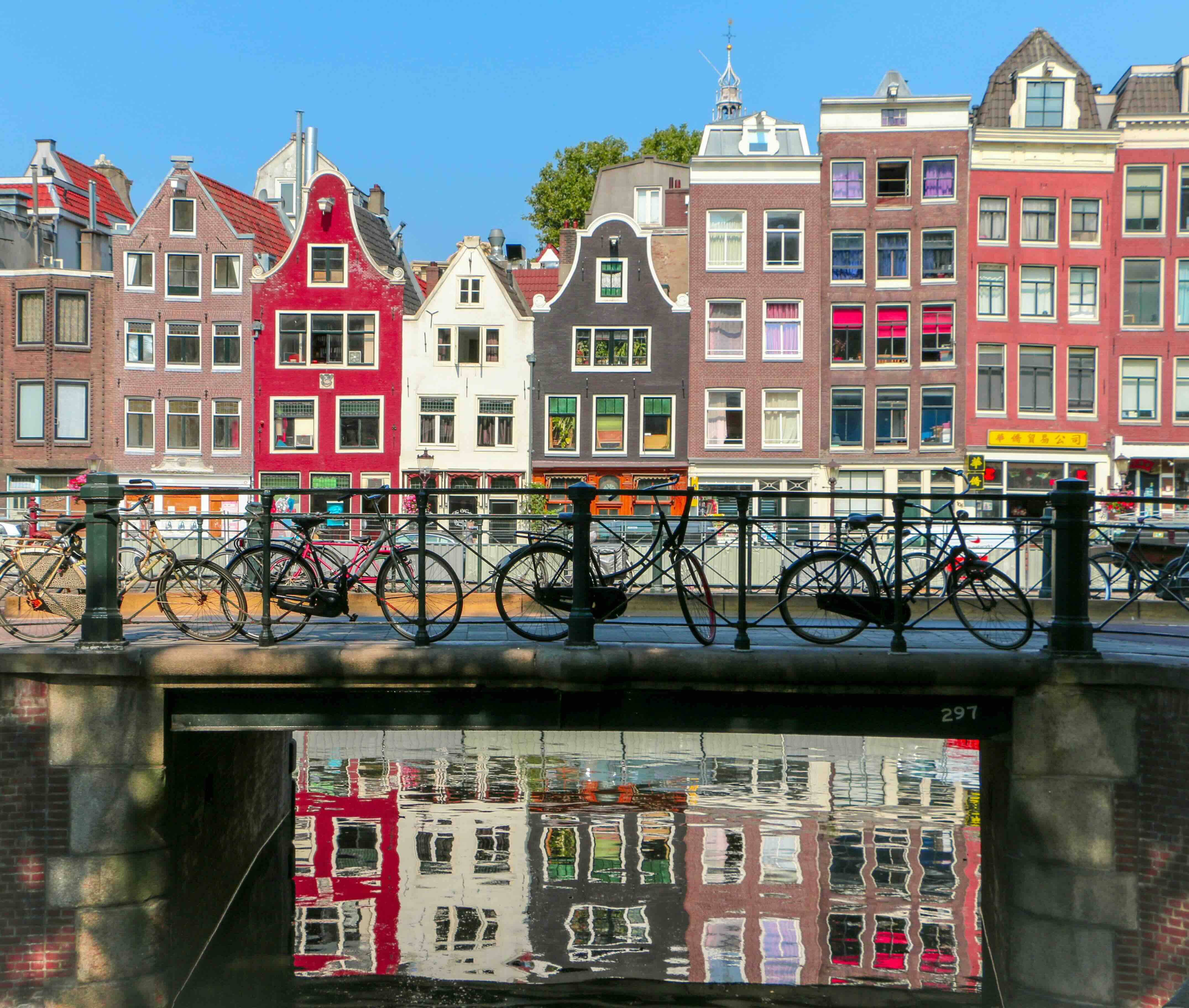
Brussels → Amsterdam
~1h 52m · Eurostar · EuroCity Direct
North from Antwerp: the Brussels to Amsterdam corridor
View RouteHow to find the best fares, which operators to book with, and when advance booking makes the difference.
Interrail and the Swiss Travel Pass — when a pass beats point-to-point tickets and when it does not.
Cologne to Antwerp now has a direct train: two ICEs a day each way, in about 2 hours 20 minutes to 2 hours 50 from Cologne, via Aachen, Liège, Leuven and Brussels Airport rather than Brussels-Midi. When the direct times suit you, it is the simplest way to go; at other times, change in Brussels. Book with DB or NMBS International, check that your train is shown as direct, and add a seat reservation if you want a guaranteed seat.