European Seat Reservations:
The Complete Guide
Do you need a seat reservation? The honest, practical answer - which trains require one and which do not, country by country and train type by train type, how pass-holder quotas work, where to book, and a quick-reference finder that answers the question in seconds.
Jump to section
Quick answers - the guide in 30 seconds
- Do all trains need reservations?
- No - most European trains are walk-on; only some high-speed, all night and premium panoramic trains require one.
- Which countries require them?
- Usually France, Spain and Italy (high-speed), plus Eurostar; rarely Germany, Switzerland, Austria and the Benelux.
- Can I just board?
- On walk-on trains yes, with any valid ticket or pass; on all-reserved trains you must have booked a seat first.
- What if I don't reserve?
- On a mandatory-reservation train you have no right to travel and can be fined; on walk-on trains the worst case is standing.
- Can reservations sell out?
- Yes - pass-holder quotas on Eurostar and international TGV sell out well before the train itself is full.
I'm travelling on… do I need a reservation?
The whole guide in one table. Find your train or country, read the verdict, and check the detail below. Rules can change and summer peaks tighten them, so confirm the specific train when you book.
| I'm travelling on… | Reservation usually needed? |
|---|---|
| Germany (ICE / IC) | Usually optional |
| Switzerland (SBB) | Rarely |
| Austria (Railjet) | Usually optional |
| Belgium & Netherlands (IC) | Domestic: no |
| Norway (Vy long-distance) | Recommended |
| Sweden (SJ high-speed / IC) | Usually yes |
| France (TGV) | Usually yes |
| Italy (Frecciarossa) | Yes |
| Spain (AVE / Avant) | Yes |
| Eurostar | Yes - with quota |
| Night trains | Yes - book early |
| Regional trains | Usually no |
| Panoramic (Glacier / Bernina) | Yes - sells out |
What a seat reservation actually is
In short
- A reservation books a specific seat on a specific train - separate from the ticket or pass
- A ticket/pass is your right to travel; a reservation is your right to that seat on that train
- All-reserved trains bundle the two; walk-on trains sell the seat only as an option
- The split is a business model - selling capacity vs selling frequency
A ticket (or a rail pass) gives you the right to make a journey. A seat reservation is a separate thing: it books you a specific seat on a specific train at a specific time. On most European trains these are sold separately, and the reservation is optional. On all-reserved trains the two are fused - the reservation is compulsory, and without it your ticket or pass does not let you board that train at all.
A ticket says you may travel. A reservation says which seat, on which train - and on some trains, the second is not optional.
Why do some countries require them and others not? It is a business-model split, not a technical one. Railways that sell capacity- France, Spain and Italy's high-speed networks - run all-reserved trains so every seat is accounted for and yield is managed. Railways that sell frequency - Germany, Switzerland, Austria, the Benelux - run a turn-up-and-go network where any valid ticket boards any train, and a reservation is sold only as optional peace of mind.
This also makes a reservation different from airline-style seat selection: on a walk-on train you are choosing comfort, and on an all-reserved train you are buying the right to be there. If you hold a pass, see how this fits the bigger picture in our rail passes guide.
The traffic-light guide to reservations
In short
- Green: walk-on - board freely, reservations optional
- Amber: long-distance trains recommend or sometimes require one
- Red: all-reserved - a reservation is compulsory, from a limited quota
Turn up, board any departure, take a free seat. Reservations exist as an optional comfort but are almost never required. Danish domestic trains, including InterCity, are walk-on too.
It depends on the train type. Norway strongly recommends a reservation on Vy long-distance services; Sweden requires one on SJ Intercity, high-speed and night trains. Regional trains in both are walk-on, and reservations are cheap and easy to add.
All-reserved high-speed networks and cross-Channel services: you must hold a reservation for the specific train, from a limited pass-holder quota.
Reservations, country by country
In short
- Same three-colour coding as the finder above
- Every country links to its Railero hub or route guides
- Rules can change - verify the specific train when you book
TGV INOUI and international TGV/Lyria services are all-reserved, with pass-holder places from a limited quota that sells out early - book these before anything else. OUIGO does not take passes at all. Regional TER trains, by contrast, are entirely reservation-free.
Frecciarossa and other Trenitalia high-speed trains require a paid reservation with a pass; Italo takes no passes. The regional network - Tuscany, the Cinque Terre line, local trains everywhere - needs nothing at all, which is where a pass is at its most relaxed.
AVE and Avant high-speed trains require reservations with pass-holder quotas - fine when booked ahead, frustrating when improvised. Avant reservations cost less than AVE ones, and the compact regional networks reward a planned day.
ICE and IC trains are optional-reservation: board any train, take a free seat, add a cheap reservation only for certainty. Worth considering one on the busiest summer departures, when free seats get scarce - but never a barrier to travel.
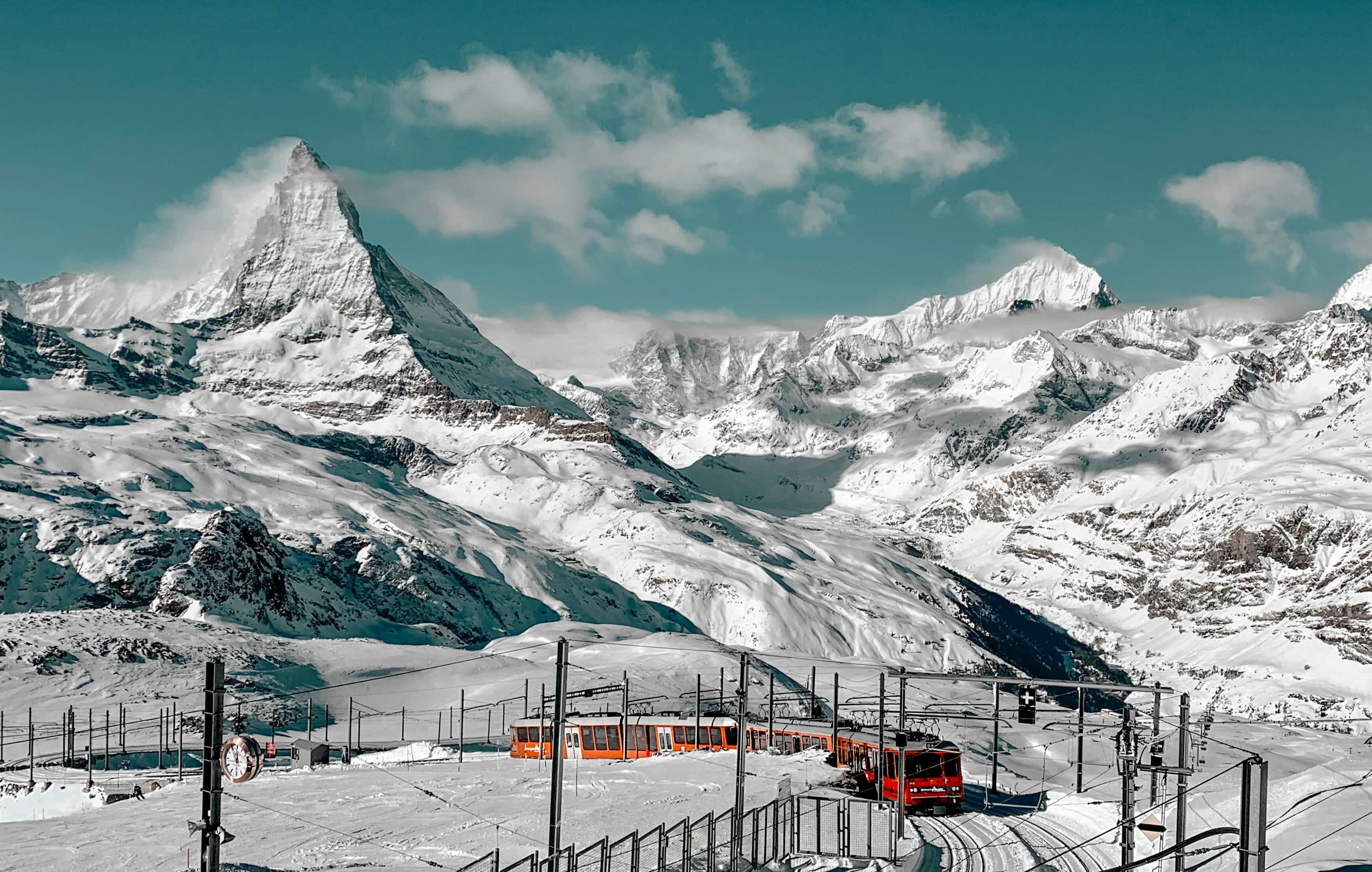
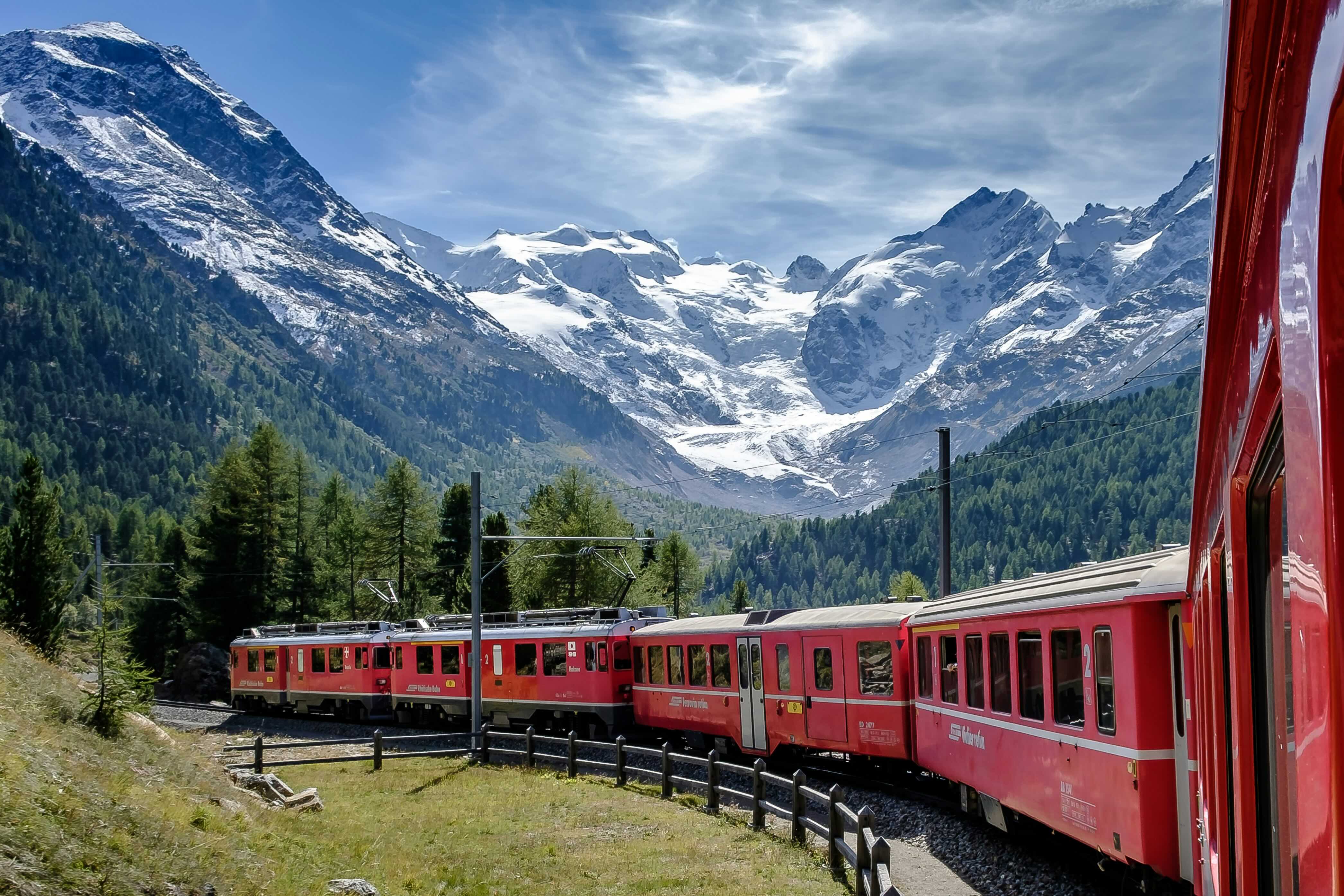
Swiss intercity and regional trains are walk-on - the whole clockface network is built around turning up and boarding. The only exceptions are the panoramic trains (Glacier and Bernina Express), which charge a compulsory dome-car reservation.
ÖBB Railjet and domestic daytime trains are optional-reservation with no supplement - board freely and reserve only if you like. The exception is Vienna's Nightjet network, where a berth reservation is always compulsory.
Long-distance Vy trains - Oslo to Bergen and Trondheim among them - strongly encourage a seat reservation, and it is inexpensive and easy to add. On the scenic lines a booked seat is worth having; regional and local trains need nothing.
Belgian and Dutch domestic trains are frequent and reservation-free - the EuroCity Direct between Brussels and Amsterdam is even a supplement-free international ride. The exception is Eurostar, where a quota reservation is compulsory in both directions.
Reservations by type of train
In short
- The rule follows the train, not just the country
- Night and panoramic trains always need a reservation, everywhere
- Regional and airport trains almost never do
High-speed trains
Usually requiredThe dividing line of European rail. All-reserved in France (TGV), Spain (AVE/Avant), Italy (Frecciarossa) and on Eurostar - a reservation is compulsory. Optional in Germany (ICE) and Austria (Railjet), where you board freely. Always check the specific network, not just "high speed".
Regional trains
Usually walk-onThe workhorses - TER in France, Regionale in Italy, S-Bahn and regional services everywhere. Almost never take reservations; you buy a ticket or use a pass and board any departure. This is where turn-up-and-go travel lives.
Night trains
Usually requiredAlways reserved. Every sleeper and couchette (Nightjet and the rest) needs a compulsory berth or seat reservation on top of any pass, and they are among the first to sell out - book as far ahead as you can.
Scenic & panoramic trains
Usually requiredThe famous panoramic services - Glacier Express, Bernina Express - charge a compulsory dome-car reservation to everyone, pass included, and sell out in summer. The same lines run reservation-free on ordinary trains if you skip the panoramic carriages.
Airport trains
Usually walk-onOrdinary airport rail links (Schiphol, Geneva, Zurich and the like) are part of the national network and walk-on. A few dedicated premium airport expresses run their own ticketing - check the specific service, but reservations are rare.
International trains
Sometimes requiredThe mixed bag. Cross-border high-speed (Eurostar, international TGV, Frecciarossa abroad) is reservation-only with quotas; slower international trains like the Brussels–Amsterdam EuroCity Direct or Munich–Salzburg Railjet are walk-on. Check each service individually.
The panoramic pair are the classic trap in an otherwise walk-on country: the Glacier Express and Bernina Express need a compulsory dome-car reservation even though ordinary Swiss trains need none.
Reservations with an Interrail pass
In short
- A pass never removes a compulsory reservation - it is a separate, paid booking
- Pass-holder places come from a limited quota, separate from ordinary tickets
- Book quota trains (Eurostar, international TGV, night trains) as early as you can
- Reserve online via the official pass site or the operator - not a markup reseller
This is where most pass confusion lives. Your Interrail or Interrail pass covers the journey; on an all-reserved train you must still buy a seat reservation on top. Crucially, railways set aside only a limited quota of pass-holder places per train - so a reservation can sell out while ordinary tickets are still available, leaving the train effectively full for pass holders. On Eurostar and international TGV this quota is small and goes early.
Book it right
- Reserve as soon as your route is set - before activating the pass
- Use the official Interrail site or the operator direct
- Prioritise the scarce quotas: Eurostar, international TGV, night trains
- Leave walk-on legs unbooked - just board with the pass
Where it goes wrong
- Assuming the pass alone lets you board a TGV or AVE
- Waiting until the travel week, when quotas have sold out
- Paying inflated reseller fees for a booking the operator makes cheaply
- Overlooking that night and panoramic trains always need one
Reservations open a few months ahead for most high-speed and night trains (further out for Eurostar), and a small booking fee usually applies through the pass website. For the wider pass strategy - travel days, coverage and when a pass beats tickets - see the rail passes guide.
Do I need to reserve? A quick decision guide
In short
- The train type answers it faster than the country does
- When unsure, check the specific train before you travel - never assume
Follow the train you are taking down the arrows.
Is it a regional or local train?
No reservation - board with any valid ticket or pass and take a free seat.
Long-distance or high-speed: keep going below.
Is it a night train or a panoramic train?
Reservation compulsory - and these sell out first, so book as early as you can.
A daytime high-speed or intercity train: which network?
Is it French TGV, Spanish AVE, Italian Frecciarossa or Eurostar?
Reservation compulsory, from a limited pass-holder quota - book it well ahead.
German ICE, Austrian Railjet, Swiss or Benelux intercity: walk-on.
Walk-on train in summer peak (June–September)?
Optional, but add a cheap reservation for certainty - free seats get scarce.
Just board - no reservation needed at all.
The reliable habit: check each specific train in the operator's or pass planner before travel day. "High speed" alone does not decide it - a German ICE and a French TGV sit on opposite ends of this rule.
Common reservation mistakes
In short
- Most reservation trouble comes from six avoidable assumptions
- The theme: reservations are separate, scarce, and per-train
Thinking a pass replaces a reservation - it never does; a compulsory reservation is a separate, paid booking on top of the pass.
Booking too late - pass-holder quotas on Eurostar and international TGV vanish weeks before departure, long before the train is full.
Not checking the quota - a train can show tickets for sale while its pass-holder reservation allocation is already gone.
Assuming Germany works like France - ICE is walk-on, TGV is all-reserved; the rule is per network, not per continent.
Paying inflated third-party reservation fees - book through the official pass website or the operator, not a markup reseller.
Forgetting night trains and panoramic trains - both always need a reservation, even in otherwise walk-on countries.
Frequently Asked Questions
- Do I always need a seat reservation in Europe?
- No - most trains in Europe are walk-on, meaning you board with a valid ticket or pass and sit in any free seat. Reservations are only compulsory on certain trains: high-speed services in France, Spain and Italy, Eurostar, all night trains, and premium panoramic trains. Across Germany, Switzerland, Austria and the Benelux, the great majority of trains need nothing at all.
- Which trains require a seat reservation?
- As a rule of thumb: all-reserved high-speed networks (French TGV, Spanish AVE/Avant, Italian Frecciarossa), Eurostar, every night train, and the famous panoramic trains (Glacier Express, Bernina Express) require one. German ICE, Austrian Railjet and Swiss intercity trains generally do not - reservations there are optional. Regional and local trains almost never require one.
- Can I just board a train without reserving?
- On walk-on trains, yes - board and take any unreserved seat. On all-reserved trains you cannot: without a reservation you have no right to travel on that specific train, even if you hold a ticket or pass for the route. Always check whether your train is reservation-only before you turn up to the platform.
- What happens if I board a reserved train without a reservation?
- On a mandatory-reservation train you are travelling without a valid right to be on board and can be fined, treated as fare-dodging, or asked to leave at the next stop - a pass or point-to-point ticket does not substitute for the compulsory reservation. On walk-on trains there is no such risk; the worst case is standing if the train is busy.
- Can seat reservations sell out?
- Yes - and this is the single most important thing to plan around. Pass-holder reservations in particular come from a limited quota per train (notably on Eurostar and international TGV services), and those quotas sell out well before the train itself is full. When the quota is gone, the train is effectively full for pass holders even though tickets remain on sale.
- Do I need reservations if I have an Interrail pass?
- The pass covers the journey; it does not remove a compulsory reservation. On reservation-only trains you must still buy a pass-holder reservation, usually from a limited quota. On walk-on trains your pass is all you need - just board. Budget for reservations on your high-speed and night-train legs, and treat the rest of Europe as reservation-free.
- Can I make reservations after buying a pass?
- Yes, and you should - reservations are booked separately from the pass and can be arranged as soon as your route firms up, before you even activate the pass. Book the scarce ones (Eurostar, international TGV, night trains) as early as possible, and leave the walk-on legs unbooked.
- How early should I reserve?
- For quota-limited or popular trains, as early as you can - many high-speed and night trains open about three months ahead and the pass-holder quota can vanish within that window; Eurostar opens further out. For optional reservations on German or Austrian trains, days or even minutes ahead is fine, or skip them entirely outside summer peaks.
- Can I make seat reservations online?
- Yes. Pass holders can book most reservations through the official Interrail website (their app does not sell reservations), or directly with the operator. Point-to-point travellers reserve as part of buying the ticket on the operator's own site. A small booking fee usually applies per reservation when booking through the pass website.
- Can I reserve seats at the station?
- Often, yes - major-station ticket offices can make reservations, which is useful for last-minute or complex international journeys. The catch is that the popular quotas may already be sold out by the time you arrive, so relying on station counters works best for optional-reservation trains, not for Eurostar or peak TGV.
- Are seat reservations refundable?
- It varies by operator and is often limited - a reservation is typically tied to a specific train and may be non-refundable or only partly refundable, separate from any refund on your ticket or pass. Because rules differ and change, check the specific operator's terms before booking if flexibility matters.
- Do I need a reservation on German ICE trains?
- Generally no - ICE and IC trains are walk-on, so with a pass or ticket you can board any departure and take a free seat, adding an optional reservation only if you want a guaranteed seat. Note that reservations are more strongly encouraged (and sometimes effectively required) on the busiest summer trains, so consider one in July and August.
- Do I need a reservation for the TGV in France?
- Yes - French TGV INOUI and international TGV/Lyria services are all-reserved, and pass holders need a paid reservation from a limited quota. Book it early, especially for cross-border trains and Friday/Sunday departures. France's regional TER trains, by contrast, are reservation-free.
- Do night trains need reservations?
- Always - every sleeper and couchette train (Nightjet and the rest) requires a compulsory reservation for your berth or seat, on top of any pass. These are among the first reservations to sell out, so book them as far ahead as you can. Under current pass rules a direct night train also uses only one travel day.
- Do the Glacier Express and Bernina Express need reservations?
- The panoramic carriages do - the Glacier Express and Bernina Express charge a compulsory seat reservation to everyone, pass or no pass, and they sell out in summer. The same lines can be ridden reservation-free on ordinary regional trains if you are happy to forgo the dome carriages and at-seat service.
Seat reservations sound complicated and mostly are not: half of Europe you simply board, and the other half you book ahead - the skill is knowing which train is which. Check the specific service, reserve the scarce ones early, and let the walk-on network do what it does best. Every Railero route guide notes the reservation rule for that exact line.
See the rule on real routes

How Interrail works, country by country, and when a pass beats point-to-point tickets.
Where to buy, how far ahead, and the tactics for the best fares on European trains.