Munich to Salzburg
Bavaria to Austria in Ninety Minutes
This is one of the easiest international rail trips from Munich - and one of the easiest in Europe. Direct Railjet and EuroCity trains cover the roughly 150 kilometres to Salzburg in about an hour and a half, running from the heart of one city to the edge of the other with the Bavarian Alps building steadily along the southern horizon. No airport, no motorway, and a border you will only notice if you happen to be watching for the Saalach river.
The corridor offers two honestly different products: fast long-distance trains roughly hourly for speed and comfort, and unhurried BRB regional trains where the famously cheap Bayern Ticket applies. That choice - explained properly below - is the one genuinely important decision on this route, and getting it right is the difference between a good-value day trip and paying long-distance fares you did not need.
The classic international day trip: Ninety minutes each way, departures all day long, and Mozart's old town waiting at the far end - Salzburg from Munich is the template European day trip by rail. Catch an early train out and a late one back, and the day in between is entirely yours.
Ready to book Munich to Salzburg?
Two sensible ways to pay: advance long-distance fares (DB or ÖBB - compare both, they sell the same trains) for the fast Railjet and EuroCity services, or the Bayern Ticket for unlimited regional-train travel to Salzburg - up to five people, valid on weekdays from 9:00, regional trains only. Reservations are optional on the fast trains and worth considering on summer weekends. Interrail passes cover the whole route with no compulsory reservations.
Railero may earn a small commission if you book via the link above, at no extra cost to you.
München Hauptbahnhof - Departure from a Station in Mid-Transformation
München Hauptbahnhof, Germany · 48.140°N, 11.558°E
Munich's main station is Europe's busiest terminus for regional traffic, and it is also - be warned - a long-running construction site as the station is rebuilt. Signage stays good, but platforms can be further apart than the concourse suggests: allow a few extra minutes, and check the departure boards rather than assuming last week's platform. Salzburg trains appear under their long-distance (RJ/EC) or BRB branding, and both leave from the main trainshed.
The station sits two S-Bahn stops from Marienplatz, with every S-Bahn line, three U-Bahn lines and the airport service converging beneath it. One operational footnote: some long-distance services also call at München Ost - if you are staying east of the river, boarding there can save crossing the city, but Hauptbahnhof has the full choice of departures.
Munich–Salzburg - Journey Facts
- RouteMünchen Hbf → Salzburg Hbf, via Rosenheim and Freilassing
- Fast trainsRailjet & EuroCity (ÖBB/DB) - about 1h 30m, roughly hourly
- RegionalBRB - about 2h, where the Bayern Ticket applies
- ReservationsOptional on fast trains; not available on regionals
- BorderSchengen - no systematic checks; carry ID, spot checks occur
- PassesInterrail valid throughout, no compulsory reservation
Across Upper Bavaria to Rosenheim
Rosenheim, Germany · 47.850°N, 12.119°E
The first half hour runs south-east across the Upper Bavarian plateau - meadows, maize and onion-domed village churches, with the Alps rising slowly from a blue smudge to an actual wall along the right-hand windows. Sit on the right for the whole journey: the mountains stay on that side from here to Salzburg.
Rosenheim, in the broad valley of the Inn, is the corridor's junction town: the lines to Innsbruck and Italy peel off south here (your Munich–Venice train takes that fork), while Salzburg trains bend east. Fast services pause briefly if at all; the BRB regionals call properly, and from here onward the stops come every few minutes on the slow trains.
Watch the right-hand windows: somewhere before Rosenheim the Alps stop being weather and start being geography.
The Chiemsee Corridor - Lakes and Foothills
Prien am Chiemsee & Traunstein · the Alpine foothills
East of Rosenheim comes the prettiest running of the trip: the line skirts the Chiemsee - the "Bavarian Sea", Bavaria's largest lake - with the water glinting to the left near Prien and the Chiemgau Alps stacked to the right. On clear days the whole stretch from here to Traunstein is foothill scenery of the postcard sort: steep meadows, white chapels, and mountains that seem to keep pace with the train.
Prien is worth remembering for another day - it is the boat connection to Herrenchiemsee, King Ludwig II's island palace - and it is exactly the kind of stop that shows the regional trains' quiet advantage: the BRB calls at these towns, the Railjet flies through. If your goal is the lakes rather than Salzburg itself, the slow train is the right tool.
Worth Knowing
Freilassing and the Saalach - Into Austria Without a Pause
Freilassing, Germany · 47.840°N, 12.980°E
Freilassing is the last German station, a railway town that exists because the border does: Salzburg's German suburb, one bridge short of Austria. Moments after leaving it, the train crosses the Saalach river - and that river is the border. There is no stop, no announcement beyond the next-station chime, and usually nothing to see except your phone switching networks.
Both countries are in the Schengen area, so there is no systematic passport control and no airport-style check-in at either end. Honesty requires one caveat: this corridor has seen temporary border measures in recent years, and police do board trains for spot checks from time to time. Carry your passport or ID card where you can reach it, and the worst case is a thirty-second glance.
The border is a river you cross at line speed - the only reliable witness is your phone's network banner.
Salzburg Hauptbahnhof - Arrival on the Edge of the Baroque City
Salzburg Hauptbahnhof, Austria · 47.813°N, 13.045°E
Salzburg Hbf is a bright, modern through-station north of the centre - rebuilt around its listed steel platform canopies - and refreshingly simple to navigate: escalators from every platform drop to a single passage, and the city exit faces the bus forecourt. The old town is about a twenty-minute walk down Rainerstraße, or a few minutes on the frequent trolleybuses toward the centre; either way you cross the Salzach with the fortress rising ahead.
The station is also western Austria's great interchange. From the same platforms, Railjets continue east to Linz and Vienna and west to Innsbruck; regional trains serve the Salzkammergut lake district, with the classic Hallstatt journey made via a change at Attnang-Puchheim. Arriving from Munich, the whole Austrian network fans out in front of you.
From Salzburg Hbf
Railjet or Regional - the One Decision That Matters
Two products, one corridor: how to choose
The fast option: Railjet and EuroCity trains, run by ÖBB and DB, cover the trip in about an hour and a half, roughly hourly through the day. They are proper long-distance trains - quiet cars, catering, first class, luggage space - and they use ordinary dynamic pricing: cheap when booked ahead, more expensive on the day. Reservations are optional, sensible on summer weekends, never compulsory.
The slow option: BRB regional trains take around two hours, stop everywhere from Rosenheim eastward, and accept the Bayern Ticket - which changes the economics completely for groups and day-trippers travelling after 9:00 on a weekday (or any time at weekends). The trade is thirty minutes of your day and a bit of long-distance comfort against a flat, often much lower price. Neither answer is wrong; know which one you are buying.
Fast vs Regional at a Glance
- Railjet / ECAbout 1h 30m · roughly hourly · dynamic fares · optional reservations
- BRB regionalAbout 2h · stops throughout · flat regional fares · no reservations
- Bayern TicketRegionals ONLY - never valid on Railjet, EC or ICE
- ComfortLong-distance stock vs commuter stock - real but not dramatic difference
- Pass holdersBoth train types covered; the fast train is the obvious choice
The Bayern Ticket, Passes and the Fine Print
What each ticket actually covers on a cross-border corridor
The Bayern Ticket deserves its fame, and its fine print. It is a regional day ticket for Bavaria that - by explicit exception - remains valid across the border as far as Salzburg Hauptbahnhof. The limits: regional trains only (BRB here - never Railjet, EuroCity or ICE); weekdays from 9:00 in the morning until 3:00 the next day, with the time restriction lifted on weekends and public holidays; up to five people on one ticket at a per-person scaled price; and Salzburg's own city buses are not included. Rules and prices change - treat Deutsche Bahn's current conditions as the authority.
Everything else is simple. Point-to-point tickets for the fast trains are sold by both DB and ÖBB - same trains, occasionally different prices, so compare. Interrail passes cover the entire route with no compulsory reservations, making this one of the friendliest pass journeys in Europe. And luggage is unregulated in practice: bring what you can carry, stow it on the racks, and note that bicycles need their own ticket and, on the fast trains, usually a reservation.
Quick Rules
Fast trains: book ahead for the best fares; reservations optional; DB and ÖBB both sell them.
Bayern Ticket: regionals only, valid to Salzburg Hbf, weekday 9:00 rule, up to five people - check current DB conditions.
Pass holders: fully covered both sides of the border, no compulsory reservations on any train.
The Day-Trip Verdict - and Where Salzburg Leads Next
Making the return, or not returning at all
Is Salzburg a realistic day trip from Munich? Emphatically yes - it may be the best international day trip in Europe. Ninety minutes each way, direct trains all day, and a compact old town where the essentials - the Getreidegasse, Mozart's birthplace, the cathedral quarter, a terrace under the fortress - fit comfortably between a morning arrival and an evening return. Take an early fast train out; decide on the way home whether the Bayern Ticket regional suits your budget better for the return leg. An overnight stay earns you the fortress interior, a proper museum, and the old town after the day-trippers leave - a different, quieter city.
And Salzburg is as much a beginning as a destination. It is the natural first stop of an Austrian rail itinerary: Railjets continue to Vienna, the Salzkammergut lakes and Hallstatt are a regional connection away, and Innsbruck opens the western Alps. From Munich, this ninety-minute hop is the cheapest way to turn a German trip into an Austrian one.
Ninety minutes out, ninety minutes back, and Mozart in the middle - the day trip other day trips are measured against.
Hotels in Salzburg
For an overnight stay, the right bank around Linzer Gasse puts you between the station and the old town - or cross the river to sleep inside the baroque centre itself.
Salzburg - Salzach riverfront
The grand Viennese classic's Salzburg outpost, on the river with the fortress framed in its best windows - torte included, ten minutes' walk from the station side of the centre.
Salzburg - right bank, near Linzer Gasse
A family-run boutique hotel with a garden and rooftop spa, an easy walk from both the station and the old town - the sensible mid-range pick for rail arrivals.
Salzburg - old town, by the Mirabell side
Simple, quiet rooms in a working baroque seminary around a cloistered courtyard - a genuinely characterful budget stay steps from the Makartplatz.
Hotel links open Booking.com. Railero may earn a commission on bookings at no extra cost to you.
Frequently Asked Questions
- How long is the train from Munich to Salzburg?
- Fast Railjet and EuroCity trains typically take around 1 hour 30 minutes; the BRB regional trains take roughly 2 hours with more stops. Exact times vary by service, so check current schedules when you plan.
- Are there direct trains from Munich to Salzburg?
- Yes, many - ÖBB and DB long-distance trains (Railjet and EuroCity) run direct roughly hourly through the day, and BRB regional trains add further direct departures. No change of train is needed in either direction.
- Is Salzburg possible as a day trip from Munich?
- Comfortably - it is one of the easiest international day trips in Europe. With about 1½ hours each way on the fast trains and frequent departures, an early-morning start gives you a full day in the old town before an evening return. Staying overnight only becomes important if you want the fortress, museums and a Sound of Music excursion in one visit.
- Can I use a Bayern Ticket from Munich to Salzburg?
- Yes, with important limits: the Bayern Ticket (regional day ticket for Bavaria) is explicitly valid as far as Salzburg Hauptbahnhof, but only on regional trains such as the BRB - not on Railjet, EuroCity or ICE services. On weekdays it is valid from 9:00 (from midnight on weekends and public holidays), it covers up to five people at a scaled price, and it does not include Salzburg city buses. Rules and prices change, so check Deutsche Bahn’s current conditions.
- Do I need a seat reservation for Munich to Salzburg?
- No - reservations are optional on Railjet and EuroCity trains (and not available on regionals). On busy summer weekends and around holidays an optional reservation on the fast trains buys peace of mind, but you can always board with a valid ticket and find an unreserved seat.
- Are Interrail passes valid on this route?
- Yes - the route is covered on both the German and Austrian legs, and no reservation is required on the regular trains, which makes this one of the simplest pass journeys anywhere. Optional reservations are available on the long-distance services if you want a guaranteed seat.
- Is there a border or passport check between Munich and Salzburg?
- Germany and Austria are both in the Schengen area, so there is no airport-style check-in and normally no systematic passport control. That said, police checks do occur on this corridor from time to time under temporary border measures, so carry your passport or ID card and keep it reachable.
- How much luggage can I take on the train?
- There is no practical luggage limit for normal bags on either the long-distance or regional trains - you bring luggage aboard yourself and use the racks. Anything you can carry and stow is fine; bikes need their own ticket and, on long-distance trains, usually a bike reservation.
Continue Your Journey
Routes that pair naturally with this one — for building your European itinerary.
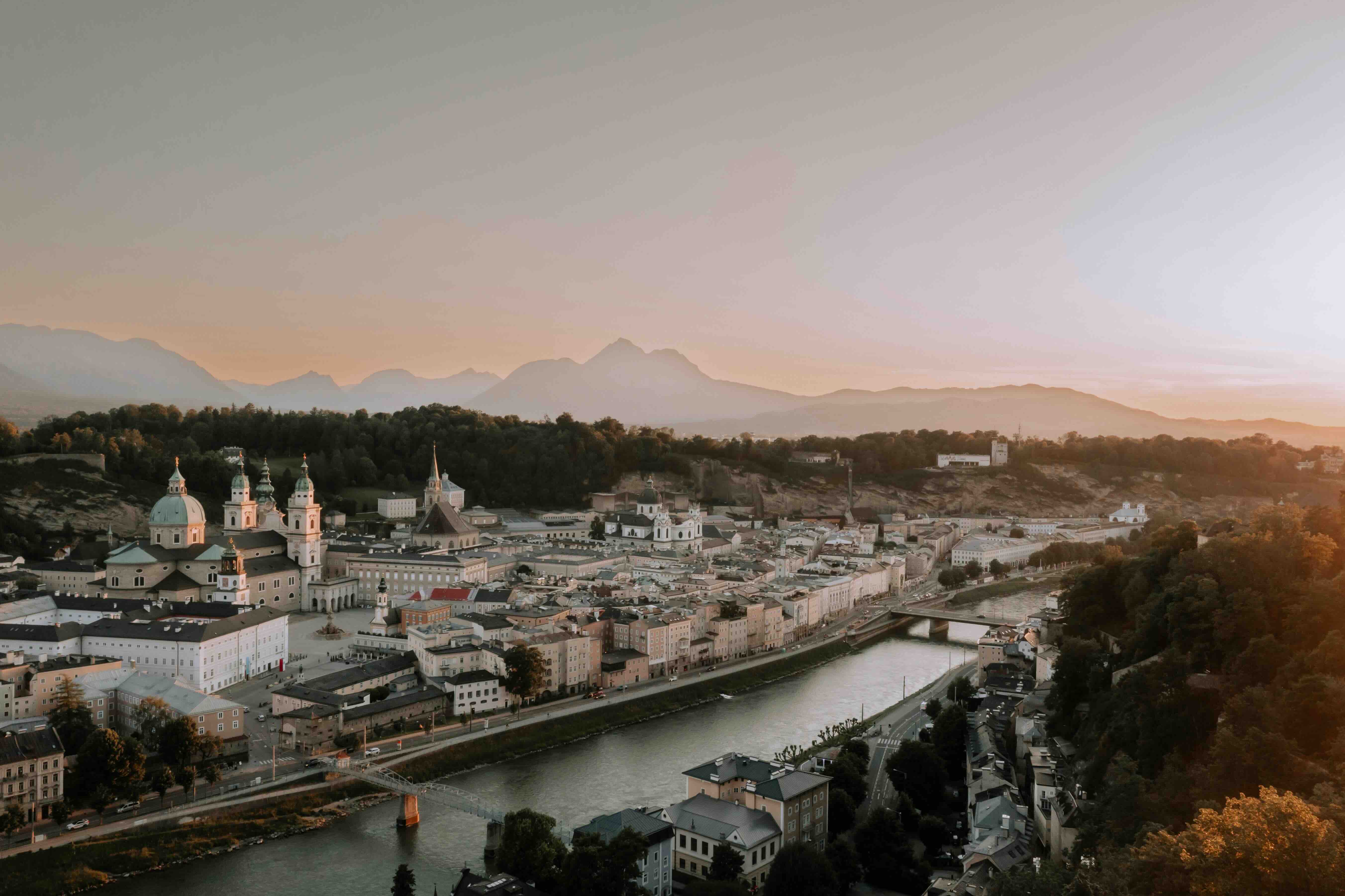
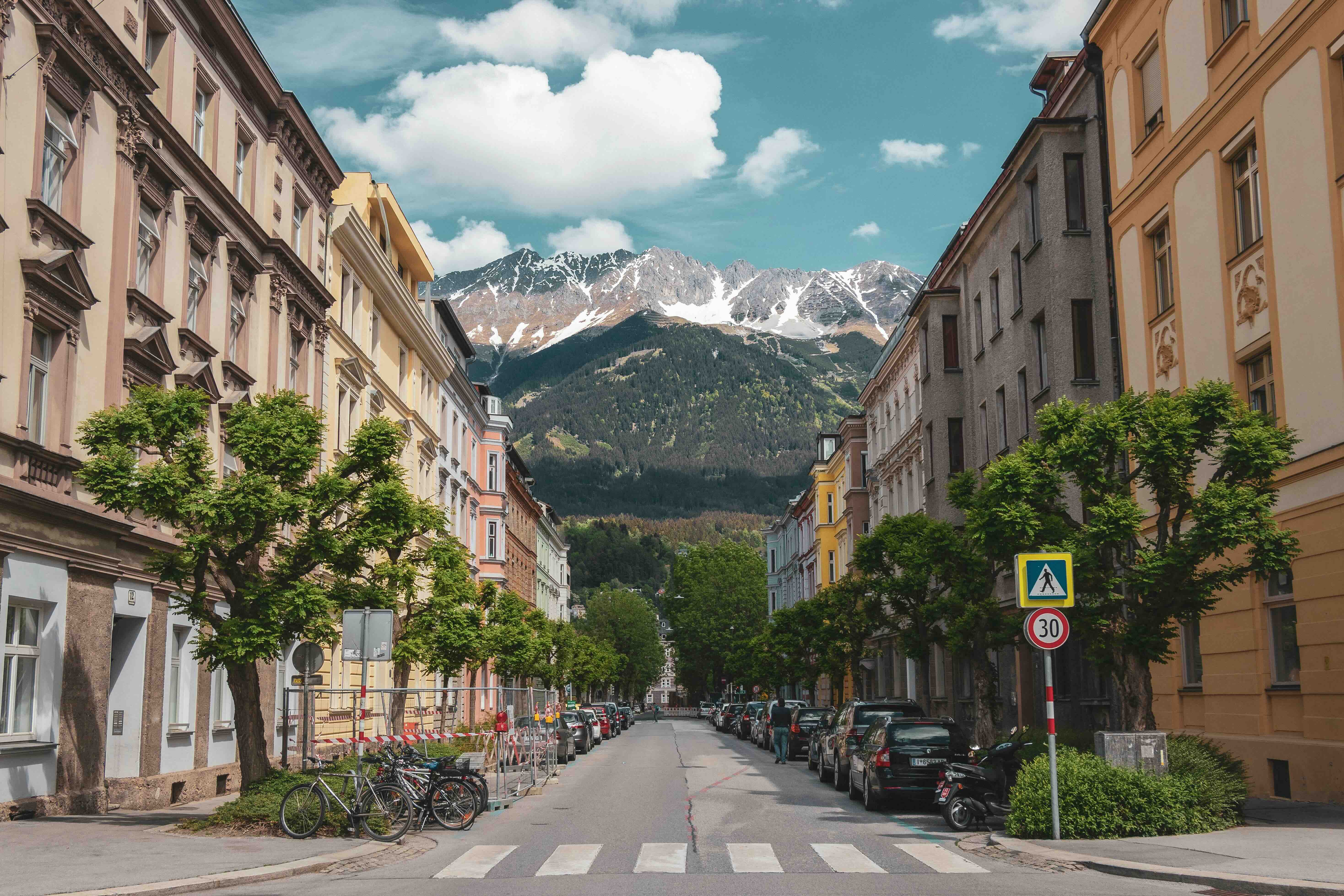
Salzburg → Innsbruck
~2h - 3h · ÖBB Railjet / WESTbahn
Or west across the Alps: Salzburg to Innsbruck
View Route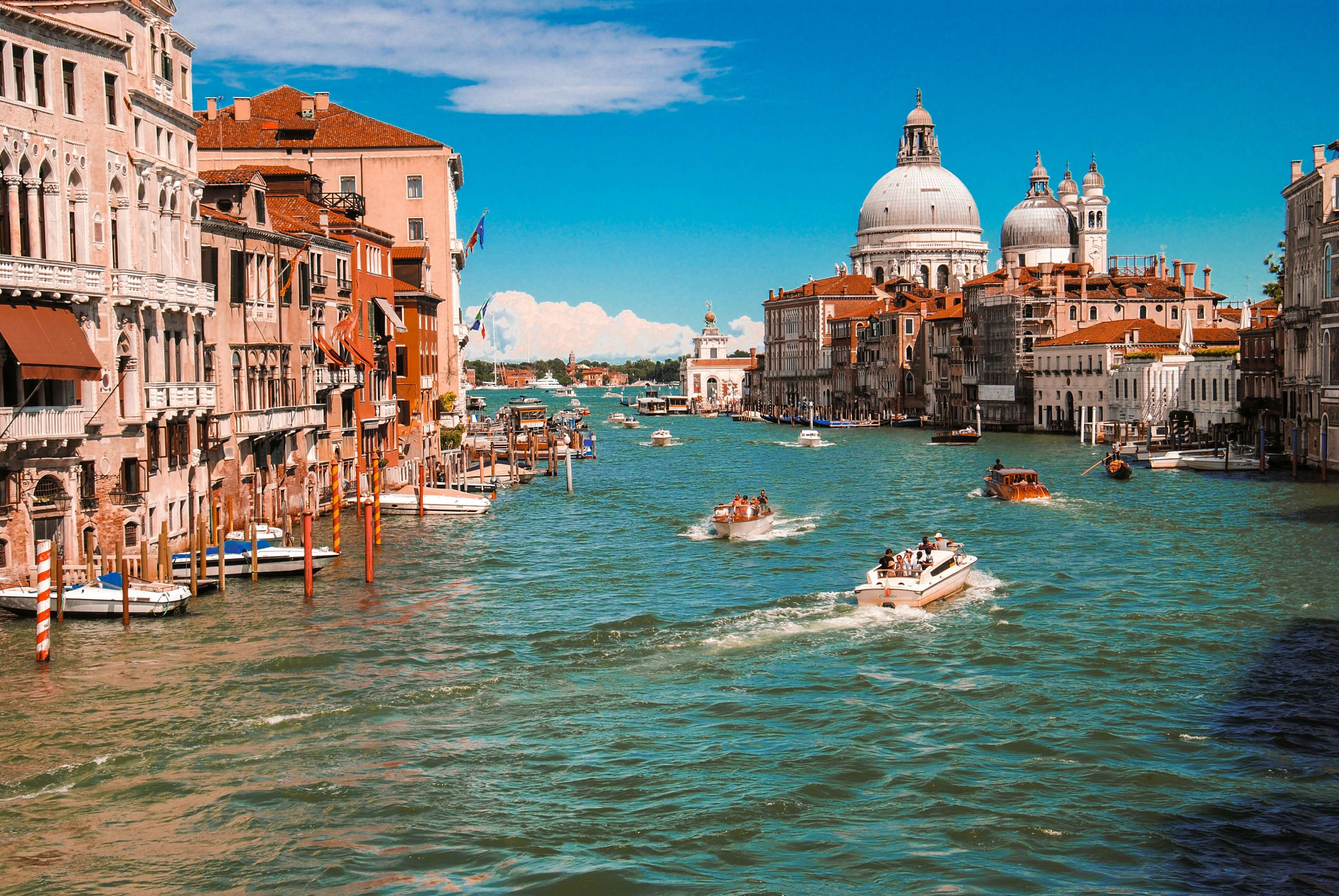
Interrail and the Swiss Travel Pass — when a pass beats point-to-point tickets and when it does not.
When reservation is mandatory, which side of the train has the views, and how to choose your class.
Munich to Salzburg is international rail travel with the difficulty setting at zero: ninety minutes on a direct train, foothill scenery the whole way, and a border marked only by a river. Choose the Railjet for speed or the Bayern Ticket regional for value, keep your ID handy, and let Salzburg tempt you onward - Vienna, Hallstatt and the whole Austrian network start at the far end of this line.