🇩🇪 Germany by Rail:
The Definitive Guide
Deutsche Bahn's ICE network connects every major German city at up to 300 km/h - with no mandatory seat reservation for pass holders. Frankfurt to Munich takes 3 hours, Berlin to Hamburg 1h 42m. Beyond the ICE, the Rhine Valley scenic line and Nightjet sleepers to Switzerland make Germany one of Europe's most complete rail destinations.
All times are approximate. View all German routes →
More Nightjet Routes from Germany
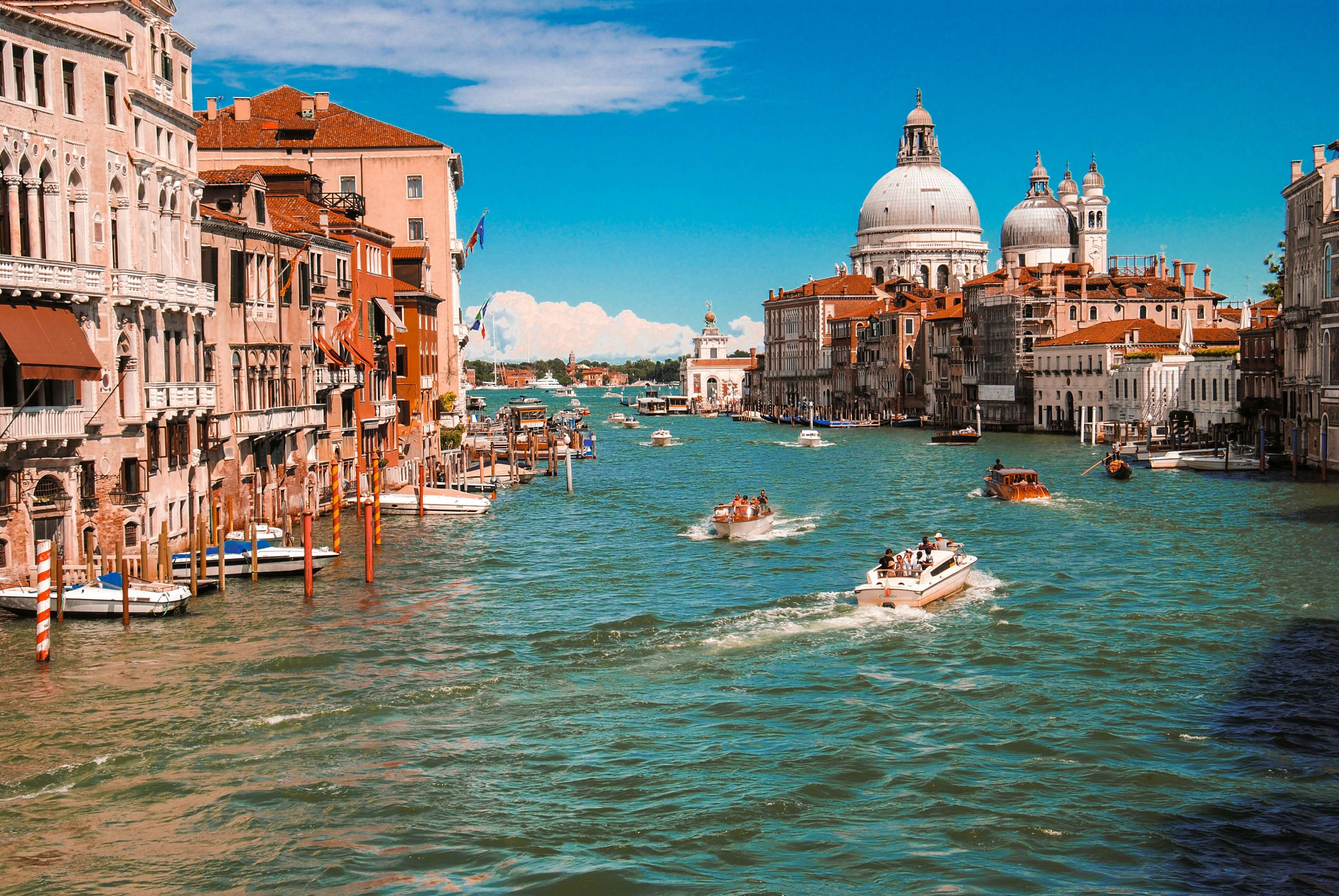
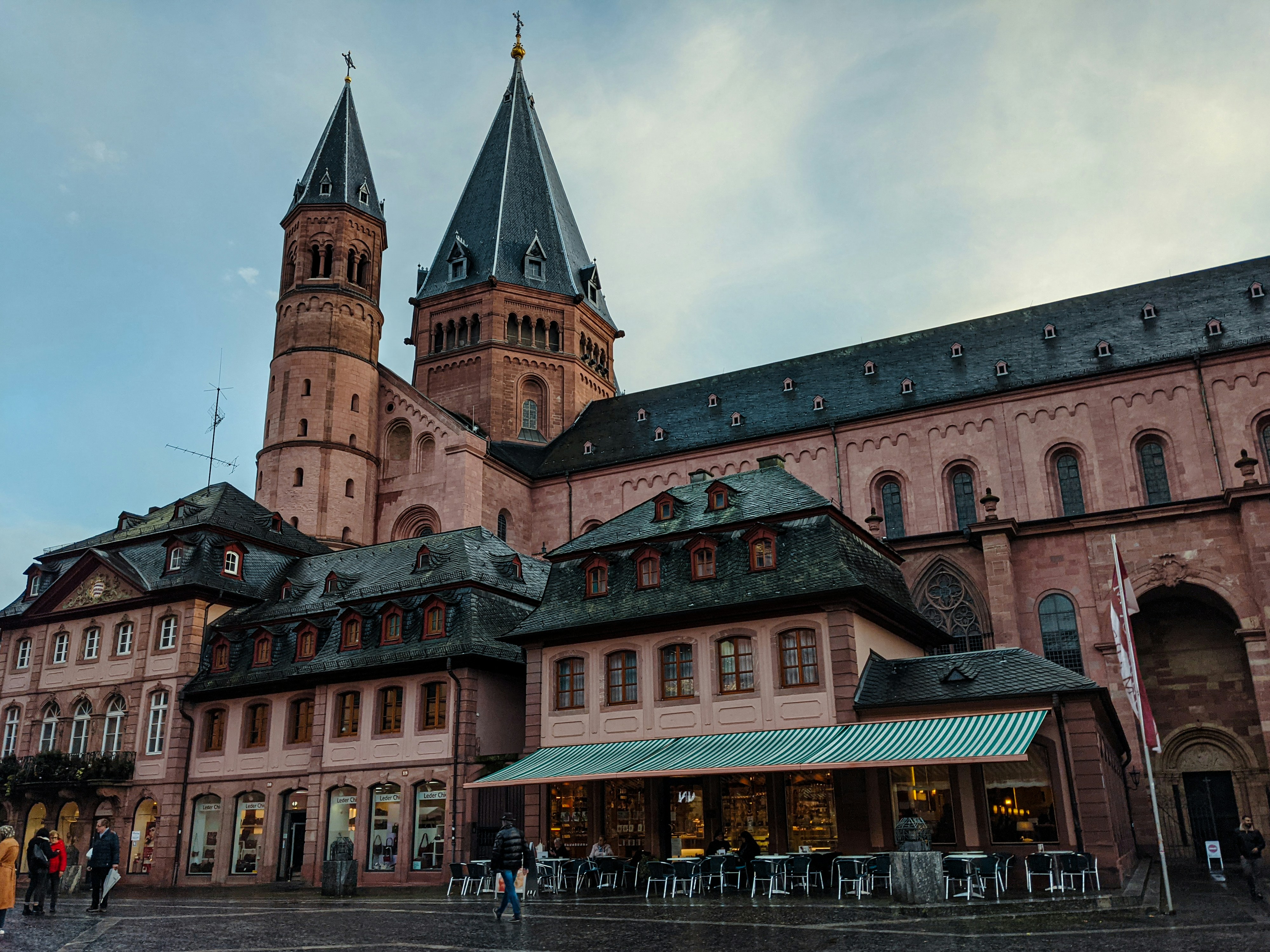
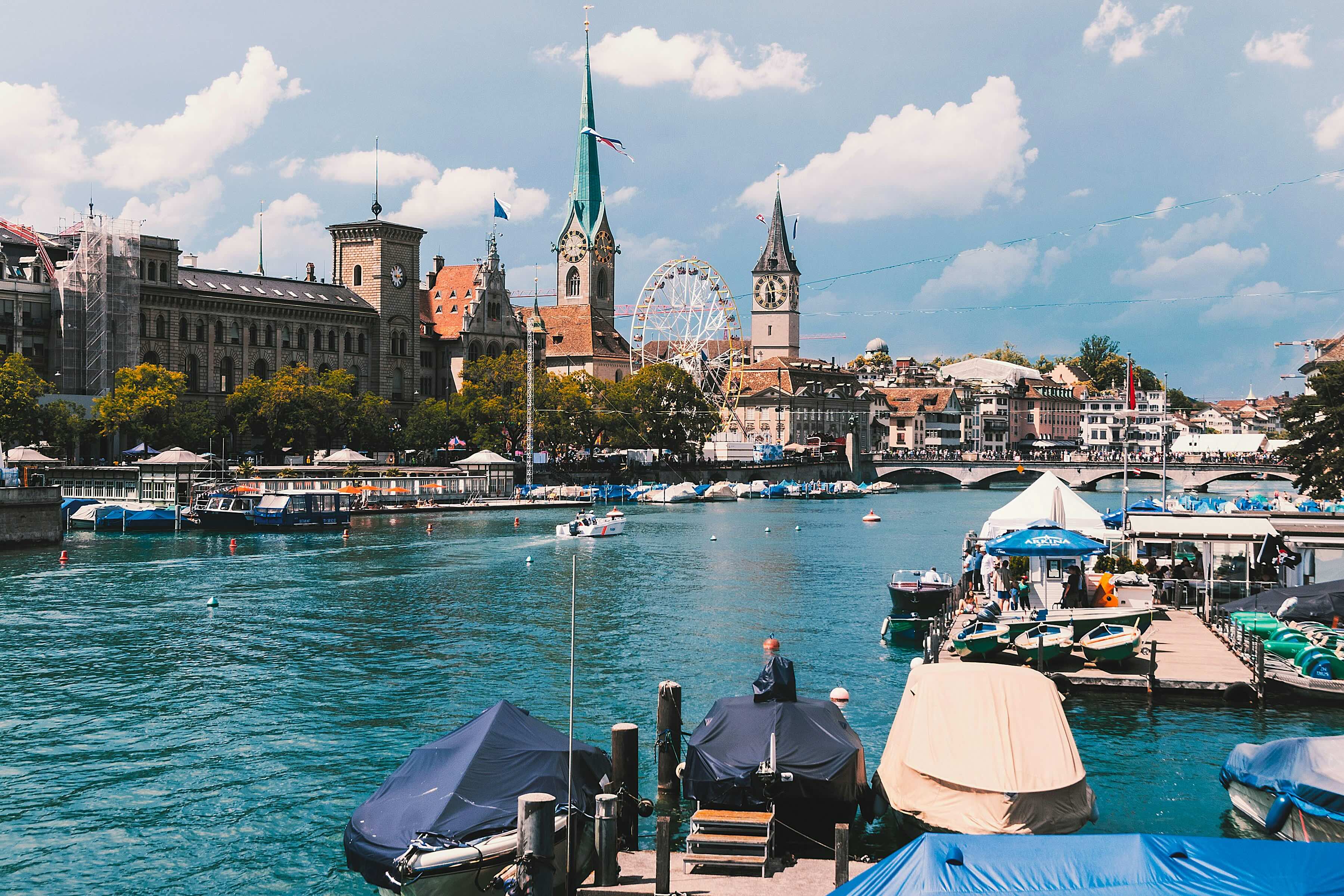
ÖBB Nightjet serves multiple German departure cities - Hamburg, Berlin, Düsseldorf, and Munich - with overnight services to Vienna, Graz, Innsbruck, Zurich, and Brussels. New routes to Rome and Paris are planned for 2026–27. Book via nightjet.com or bahn.de up to 6 months ahead; couchettes sell out first.
Full sleeper train guideGermany's flagship intercity express
International daytime and border crossings
The busiest terminal station in Germany and the ICE network's central interchange. Every major domestic corridor passes through Frankfurt Hbf, making it the natural transfer point for multi-city journeys. Frankfurt Airport station (Fernbahnhof) is 11 minutes away by ICE - the best airport-to-city rail connection in Germany.
- ▸U-Bahn/S-Bahn to the city centre (Innenstadt): 5–8 min
- ▸Frankfurt Airport Fernbahnhof: 11 min by ICE - no U-Bahn needed
- ▸ICE Sprinter Frankfurt–Munich runs non-stop in 2h 55m - book separately
Opened in 2006, Berlin Hbf is a five-level glass structure spanning 430 metres over the Spree river. The only major European terminus designed as a through-station - trains enter from the east and exit to the west, connecting the city seamlessly. Also the departure point for Nightjet sleepers to Austria and Switzerland.
- ▸S-Bahn S5/S7/S75 and U55 connect to the city centre
- ▸Tram M10 to Prenzlauer Berg and Friedrichshain from the north exit
- ▸Nightjet check-in: platform 1/2 (lower level) - board 30 min before departure
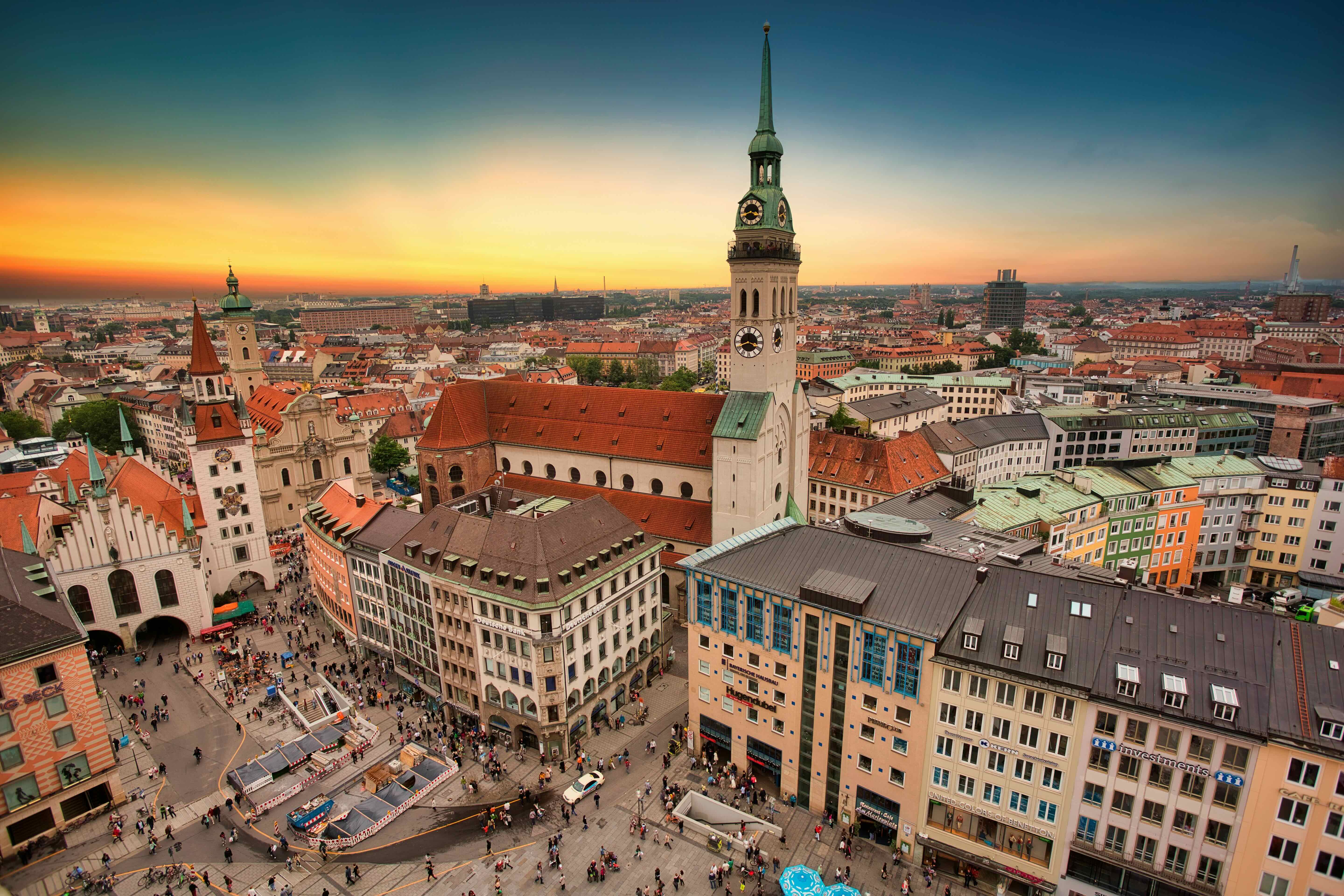
Munich Hbf sits at the heart of the S-Bahn ring, making it the de facto hub for day trips to Salzburg, Garmisch-Partenkirchen, and the Bavarian lakes. The ICE to Frankfurt departs every hour and takes exactly 3 hours. The station is also the southern terminus for ICE services from Hamburg and Berlin.
- ▸S-Bahn S1 to Munich Airport: 40 min, every 20 min
- ▸U-Bahn U4/U5 intersection in the concourse below the main hall
- ▸Salzburg by regional train: 1h 30m - no reservation needed, runs hourly
Sparpreis: Germany's Best-Value Fares
Deutsche Bahn's Sparpreis fares start from €17.90 for a Frankfurt–Munich ICE when booked well in advance. These are seat-specific, non-refundable tickets valid only on the booked train. The 'Sparpreis Young' (under 27) is even cheaper. Fares open up to 6 months ahead - set an alert for the midnight release on your travel date.
BahnCard: Worth It for Multiple Trips
The BahnCard 25 gives 25% off all DB fares for €62.90/year (2nd class) - it pays for itself after 3–4 long-distance journeys. The BahnCard 50 gives 50% off for €255/year. If you visit Germany regularly, a BahnCard makes Sparpreis fares even cheaper and flex fares highly competitive with budget airlines.
No Reservation Required on ICE
Unlike French TGV or Spanish AVE, Interrail pass holders can board any domestic German ICE without a mandatory seat reservation. Simply validate your pass and board. You may not get a seat on busy Friday afternoon services - a voluntary reservation costs €4.50 and guarantees your seat.
DB Navigator App
The DB Navigator app (iOS/Android) is the best way to book and manage German rail tickets. It displays real-time platform information, live delays, and seat maps. Ticket inspectors accept mobile tickets - no need to print. It also shows connecting regional trains (RE/RB) in the same search, which third-party booking sites often miss.
Rhine Valley Scenic Route
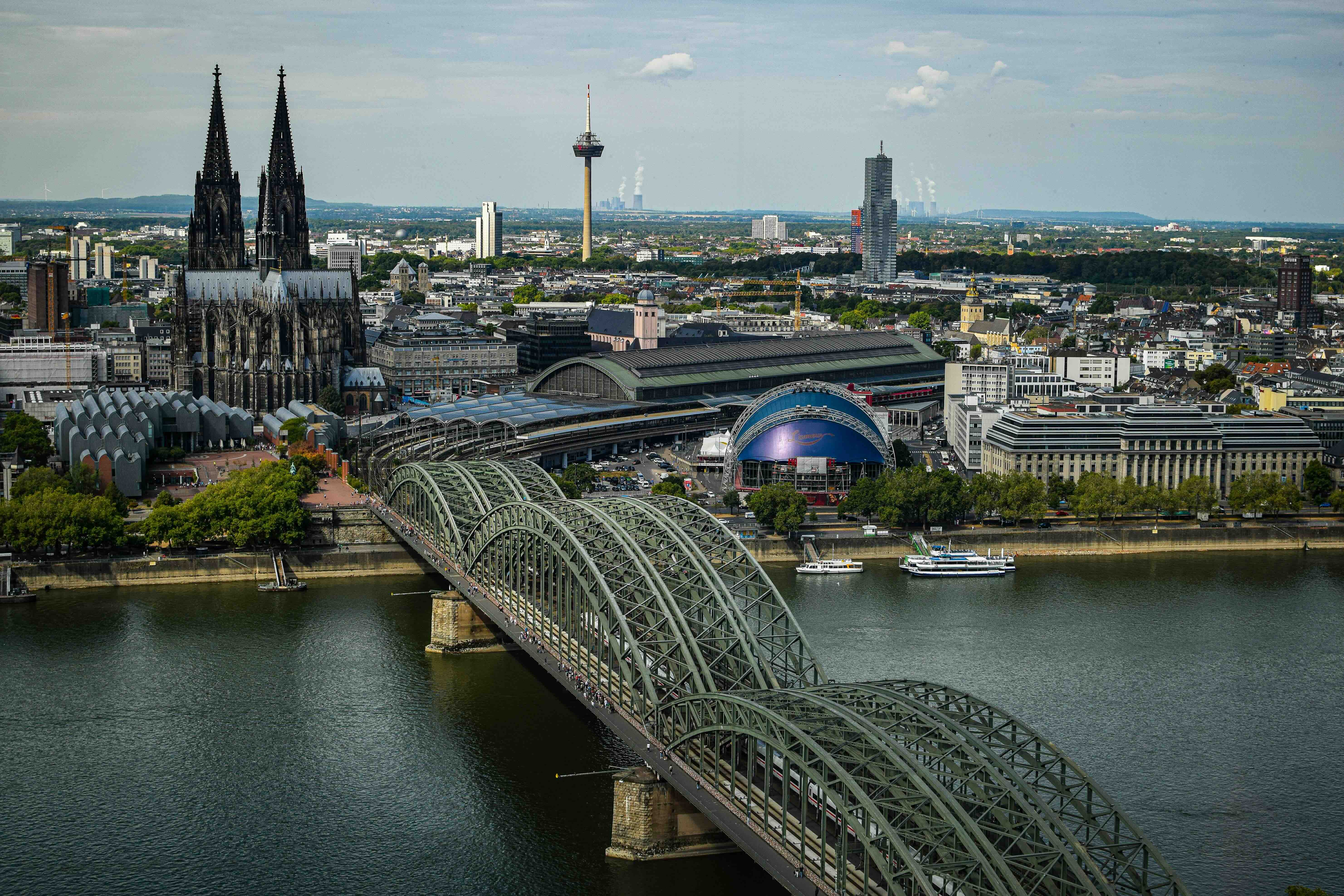
The Cologne–Mainz Rhine Gorge line is one of Europe's great train rides and requires only a standard regional ticket or pass - no supplement. Trains run every 30–60 minutes. Sit on the right side heading south (toward Mainz) for the best castle and vineyard views. The stretch from Koblenz to Bingen is the UNESCO-designated section.
Munich to Venice via Brenner
The Munich–Innsbruck–Verona–Venice corridor crosses three countries and the Brenner Pass. No single high-speed train covers the full route - you connect at Innsbruck or Verona. Journey time is approximately 6 hours with a smooth connection. Book each segment separately on bahn.de; Interrail covers the full route with a single pass.
German Routes
Ready to Travel
Explore all German rail routes
ICE high-speed, scenic Rhine Valley, and Nightjet sleepers - browse every German route in our network.
Browse German Routes