Berlin to Hamburg by Train
Germany's Flagship ICE Journey
Berlin to Hamburg is the German railway at its easiest and best: a frequent, fast ICE between the capital and the great port city, around 1 hour 45 minutes city centre to city centre, with trains running one or two an hour all day. There is nothing to arrange and little to think about - turn up, step aboard a sleek high-speed train, and be in Hamburg before you have finished your coffee. If you have ever wondered why Germany is so easy to travel by train, this is the route that answers it.
The appeal is not scenery but sheer ease. Reservations are optional, so a flexible ticket or a rail pass lets you take whichever ICE you like; the trains are modern, quiet and comfortable, with wifi, power and a proper restaurant car; and both ends drop you in the middle of the city, on the U-Bahn and S-Bahn networks. The line itself races across the flat north German plain - Brandenburg, the Elbe, the heath - so this guide is about making the most of the experience: the ICE onboard, First versus Second Class, reservations and passes, and stepping off at Hamburg into Germany's northern gateway.
Why German rail feels effortless: Reservations are optional on the ICE, so you are not tied to one train - miss it, or catch an earlier one, and your flexible ticket or pass still works on the next. Trains run one or two an hour, city centre to city centre, so Berlin to Hamburg is less a journey to plan than a train to hop on.
Ready to book Berlin to Hamburg?
This is one of Germany's most flexible journeys. Deutsche Bahn ICE trains run one or two an hour from Berlin Hauptbahnhof to Hamburg Hauptbahnhof in around 1h 45m, and reservations are optional - so with a flexible fare or a rail pass you can simply take the next train. Book early for the cheapest advance fares (which are tied to a specific train), or travel flexibly and add an optional seat reservation on busy departures. Interrail is accepted with no compulsory reservation.
Railero may earn a small commission if you book via the link above, at no extra cost to you.
Departing Berlin Hauptbahnhof
Berlin Hauptbahnhof, Germany · 52.525°N, 13.369°E
The journey begins at Berlin Hauptbahnhof, the vast glass-and-steel station opened in 2006 that is the largest crossing station in Europe - a cathedral of a building where the east-west and north-south lines cross on different levels, trains gliding through on multiple decks. It is modern, bright and fully step-free, with lifts and escalators between the levels, shops and services throughout, and it is worth allowing a couple of extra minutes to find your platform among the levels. The ICE trains to Hamburg leave from the through platforms.
Reaching the station is easy from anywhere in Berlin: the S-Bahn stops here (the elevated east-west lines), the U-Bahn line U5 runs beneath it, and trams and buses serve the entrances, while regional and airport trains connect to Berlin Brandenburg Airport in around 30 minutes. Boarding a long-distance train in Germany is refreshingly simple - there is no check-in, so arrive 10 to 15 minutes ahead, check the platform boards for your coach letter, and step aboard. With reservations optional, you can take whichever ICE suits.
Berlin–Hamburg - Journey Facts
- RouteBerlin Hauptbahnhof → Hamburg Hauptbahnhof, across the north German plain
- OperatorDeutsche Bahn ICE (high-speed); slower IC and FlixTrain also run
- Journey timeAround 1h 45m on the fastest ICE; most 1h 45m to 2h 5m
- DistanceAbout 290 km on a modernised high-speed line
- FrequencyOne to two ICE an hour - around 25 a day each way
- ReservationsOptional - turn up and take the next train
Leaving Berlin Across Brandenburg
Berlin-Spandau · 52.534°N, 13.197°E
The ICE slips west out of the city and calls at Berlin-Spandau, the last Berlin stop, on the edge of the capital - a handy boarding point for travellers from the western districts. Beyond it the train leaves Berlin behind and settles into the open country of Brandenburg, the flat, lake-scattered, pine-wooded land that rings the capital. The line runs fast and straight, and the city gives way quickly to fields, forest and the occasional glinting lake.
This is easy, unhurried-feeling travel even at speed - the Mark Brandenburg is quiet, level country, and the train makes short work of it. There is no drama to the landscape, but there is a pleasant sense of the north opening out as Berlin recedes and the line strikes toward the Elbe.
German intercity travel asks almost nothing of you: no check-in, no compulsory reservation, just a fast train every half hour and a seat by the window.
The Elbe at Wittenberge
Wittenberge · 52.993°N, 11.758°E
Roughly the midpoint of the run is Wittenberge, an old brick-built town in the Prignitz where the line meets the Elbe, the great river that flows on to Hamburg and the sea. Some ICE trains call here; the fastest run straight through. The Elbe is northern Germany's defining river, and the line keeps loose company with it from here on, crossing its tributaries and the wide, watery lowlands of the plain.
The country here is Elbe floodplain and farmland - big skies, dykes, meadows and the occasional church tower - the kind of calm, horizontal landscape that the north does so well. It will not fill a camera, but it is restful to watch slide past at speed, and it marks the crossing from Brandenburg into Mecklenburg and the final approach to Hamburg.
Through Mecklenburg and the Heath
Ludwigslust · 53.322°N, 11.497°E
North of the Elbe the line runs through Mecklenburg, past Ludwigslust - a small town with a surprisingly grand baroque palace, sometimes called the "Versailles of Mecklenburg" - and on across the flat, sandy heathland that stretches toward Hamburg. This is heath-and-pine country, the northern edge of the great Lüneburg Heath landscape, a land of gorse, birch and open horizons that turns purple with flowering heather in late summer.
The final approach brings the train through the outskirts of Hamburg and across the waterways of the Elbe delta into the city. After the level plains, the arrival into one of Germany's greatest cities feels like a fitting finish - and Hamburg Hauptbahnhof puts the harbour, the old town and the whole northern network within easy reach.
Worth Knowing
Arriving at Hamburg Hauptbahnhof
Hamburg Hauptbahnhof, Germany · 53.553°N, 10.007°E
Hamburg Hauptbahnhof is the busiest station in Germany by passenger numbers, a grand 1906 hall of iron and glass in the heart of the city, and the hub of Hamburg's transport. It is fully equipped and largely step-free, with lifts to the platforms, and it sits between the city centre and the Alster lakes, so much of Hamburg is within easy reach on foot or a short ride. Some ICE trains continue beyond it to Hamburg-Dammtor and Hamburg-Altona, so check which Hamburg stop is best for where you are staying.
The city opens up quickly from here. U-Bahn and S-Bahn lines run from beneath and beside the station: the harbour and the famous Landungsbrücken are a few minutes away by U-Bahn line U3 or the S-Bahn, and the Speicherstadt warehouse district and HafenCity - home to the Elbphilharmonie concert hall and the Miniatur Wunderland model railway - are a short ride or a 15 to 20 minute walk south toward the water. The S-Bahn line S1 runs direct from the Hauptbahnhof to Hamburg Airport in around 25 minutes.
From Hamburg Hauptbahnhof
The ICE Experience, and Which Class
What travelling by ICE is like
The ICE - InterCity Express - is Deutsche Bahn's flagship high-speed train, and it is a comfortable, civilised way to travel. Every ICE has free wifi (WIFIonICE), power sockets at the seats, air conditioning and a restaurant and bistro car serving hot meals, snacks and drinks. There is a quiet coach (the Ruhebereich) for those who want silence, a family area (the Kleinkindabteil) with space for prams and small children, and generous luggage racks. Seats are roomy in both classes, with tables, and the ride on this modernised line is smooth and quiet.
On the class question, for under two hours it comes down to taste. Second Class is genuinely comfortable, with 2+2 seating and all the same onboard features. First Class buys wider 2+1 seating, more space and legroom, a quieter carriage, at-seat service on some trains and access to the DB Lounge at major stations - a pleasant upgrade, often for a modest premium when booked early, but far from necessary on a journey this short. The single most important thing to know is the reservation policy: on the ICE it is optional, so you are never tied to one train.
ICE onboard
- ClassesFirst (2+1, more space, DB Lounge) and Second (2+2, comfortable)
- ReservationsOptional - take any ICE with a flexible ticket or pass
- ConnectivityFree WIFIonICE and power sockets at every seat
- CateringRestaurant and bistro car - hot meals, snacks and drinks
- Quiet & familyRuhebereich quiet coach and a Kleinkindabteil family area
- BikesLimited bike spaces with a bike ticket and compulsory reservation
Is the Journey Scenic?
An honest look at the window
It is honest to say that Berlin to Hamburg is not one of Europe's great scenic routes - it is a fast, efficient corridor across flat country. The line runs level across the north German plain: the lakes and pine woods of Brandenburg out of Berlin, the Elbe and its floodplain around Wittenberge, and the sandy heathland of Mecklenburg and Lower Saxony on the run in to Hamburg. It is pleasant, open, restful country - big skies and quiet horizons - rather than mountains, gorges or coastline.
Because the landscape is so level and much the same on both sides, there is no strongly preferred side of the train for views, so choose your seat for comfort rather than scenery. The real reasons to take this train are its speed, its frequency and the ease of stepping from one city centre to another in under two hours - the view is a calm bonus, not the point.
Onward Travel from Hamburg
Germany's northern railway gateway
Hamburg is the railway gateway to the north of Germany and to Scandinavia - the point where the lines from Berlin, Cologne and Munich meet the routes to the North Sea and Baltic coasts, to Denmark and beyond. From Hamburg Hauptbahnhof, where you arrive, fast ICE trains fan out across Germany and international services head north into Denmark, which makes carrying on simple. Most leave from the Hauptbahnhof (some from Altona), and the fast trains all offer optional, not compulsory, reservations.
Onward from Hamburg
- LübeckFrequent regional trains to the Baltic Hanseatic city, around 45 min
- BremenICE and IC south-west, around 1 hour
- KielRegional and IC trains north, around 1h 15m
- Sylt (Westerland)Trains across the Hindenburgdamm causeway to the island, around 3 hours
- CologneICE south-west down the Rhine corridor, around 4 hours
- CopenhagenEuroCity north via Denmark, around 4h 30m to 5h
- MunichICE the length of Germany, around 5h 45m to 6h
Reach Hamburg and the north opens up: the Baltic and North Sea coasts, the island of Sylt, and Copenhagen and Scandinavia beyond.
Reservations, Passes, Luggage, Bikes and Access
The practical rules for the ICE
The reservation rule is the key to this route's flexibility: on the ICE within Germany a seat reservation is optional, never required. A flexible ticket (Flexpreis) or a rail pass lets you take any ICE and sit in any unreserved seat; the cheapest advance fares (Sparpreis) are tied to a specific train, but even then a seat reservation is a separate optional extra. Interrail is accepted on the ICE with no compulsory reservation, which makes this one of the simplest and most flexible pass journeys anywhere - add an optional reservation only if you want a guaranteed seat on a busy departure. For the wider picture, see the rail passes and seat reservations guides linked below.
Luggage is easy - there is no strict weight limit, you carry your bags aboard and use the overhead shelves and the larger racks at the carriage ends and by the doors, so bring what you can manage and keep valuables with you. Bikes need more planning: ICE trains carry full bicycles only in a limited number of bike spaces that require a bike ticket and a compulsory bike reservation, and not every ICE is equipped, so book ahead; a folded or bagged bike travels free as luggage. If you are set on taking a full bike, an Intercity (IC) train on the route may be the easier option.
On accessibility, both Berlin Hauptbahnhof and Hamburg Hauptbahnhof are large, modern, staffed stations with lifts and step-free routes to the platforms, and the ICE has accessible spaces and toilets. Deutsche Bahn's Mobilitatsservice provides boarding assistance and should be booked in advance (there is a dedicated service centre) - do not assume every train and platform is equally straightforward. Accessibility depends on the specific train, platform and station, so arranging assistance ahead is the reliable approach.
Quick Tips
Travel flexibly: with a flexible ticket or a pass you can take any ICE - reservations are optional, so you are never tied to one train.
Book early for the fare: the cheapest Sparpreis fares are tied to a specific train and sell out - book weeks ahead for the best price.
Add a reservation when busy: on Friday evenings, Sundays and holidays an optional seat reservation is worth the small fee.
Hotels in Hamburg
Hamburg rewards staying near the harbour or the old town - within reach of the Speicherstadt, the Elbphilharmonie and the Alster lakes, and a short U-Bahn or S-Bahn ride from the Hauptbahnhof.
Hamburg - on the Alster lake
A striking modern luxury hotel on the shore of the Outer Alster, with a rooftop spa and lake views - Hamburg's finest address, a short ride from the centre and the Hauptbahnhof.
Hamburg - in HafenCity by the harbour
A fun, nautically themed design hotel in HafenCity near the Elbphilharmonie and the harbour - full of character and walkable to the Speicherstadt and the waterfront.
Hamburg - near the station and Alster
A dependable, stylish, fairly priced hotel near the Hauptbahnhof and the Alster - the easy central base for the trains, with the U-Bahn and the city on the doorstep.
Hotel links open Booking.com. Railero may earn a commission on bookings at no extra cost to you.
Frequently Asked Questions
- How long is the train from Berlin to Hamburg?
- The fastest ICE trains take around 1 hour 45 minutes, city centre to city centre, with most services in the 1h 45m to 2h 5m range. It is about 290 km across the north German plain. Exact times vary by service, so check the current schedule when you book.
- How often do the trains run, and are they direct?
- Very often - this is one of Germany's busiest intercity corridors, with one to two ICE trains an hour through the day and around 25 departures each way. They run direct, with no change needed; the fastest call only at Berlin-Spandau, while some add Wittenberge or Ludwigslust. A few continue beyond Hamburg Hauptbahnhof to Hamburg-Dammtor and Hamburg-Altona.
- Do I need a seat reservation?
- No - and this is the beauty of German intercity travel. Reservations are optional on ICE trains within Germany, so with a flexible ticket or a rail pass you can simply turn up and board any ICE, sitting in any unreserved seat. A reservation (for a small fee) is worth adding on busy Friday evenings, Sundays and holidays if you want a guaranteed seat, but it is never required to travel.
- Which trains operate the route?
- The route is run by Deutsche Bahn's ICE - the flagship high-speed trains, modern and comfortable, that make up almost all the fast services. Slower Intercity (IC) trains also run, and the independent operator FlixTrain offers a budget alternative on the same line, but for speed and frequency the ICE is the mainstay of the Berlin to Hamburg corridor.
- Can I use an Interrail pass?
- Yes, and this is one of the easiest pass journeys anywhere. Interrail is accepted on ICE trains in Germany with no compulsory reservation, so you can activate a travel day and hop on any ICE. An optional reservation is available if you want a guaranteed seat at busy times, but it is not required - the flexibility is the whole point.
- Is First Class worth it on Berlin to Hamburg?
- For under two hours it is a pleasant upgrade rather than a necessity. First Class on the ICE buys wider 2+1 seating, more space and a quieter carriage, with at-seat service on some trains and access to the DB Lounge at major stations. Second Class is genuinely comfortable, though, with the same wifi, power sockets and restaurant car, so it comes down to whether you value the extra space and quiet.
- What is the ICE like onboard?
- Comfortable and well equipped. Every ICE has free wifi (WIFIonICE), power sockets at the seats, air conditioning, a restaurant and bistro car, a quiet coach (Ruhebereich) and a family area (Kleinkindabteil) with space for prams. Seats are roomy in both classes, with tables and luggage racks, and the ride on this modernised line is smooth and quiet - it is a relaxed way to travel rather than an endurance.
- How much luggage can I take, and can I bring a bicycle?
- Luggage is easy: there is no strict weight limit, you carry your bags aboard and use the overhead shelves and the racks at the carriage ends and by the doors, so bring what you can manage and keep valuables close. Bicycles need more planning - ICE trains carry full bikes only in limited bike spaces that require a bike ticket and a compulsory bike reservation, and not every ICE has them, while a folded or bagged bike travels free as luggage. Check the current bike policy before travelling.
- Is the Berlin to Hamburg train scenic?
- Honestly, not especially - this is a fast, efficient corridor rather than one of Europe's great scenic routes. The line runs level across the north German plain: the lakes and pine woods of Brandenburg, the Elbe at Wittenberge, and the flat, sandy heathland of Mecklenburg and Lower Saxony on the approach to Hamburg. It is pleasant, open country, but the reason to take the train is speed, comfort and city-centre convenience, not the views, and there is no strongly preferred side.
- How do I get from Hamburg Hauptbahnhof into the city and the harbour?
- Very easily. Hamburg Hauptbahnhof is the hub of the city's transport, with U-Bahn and S-Bahn lines running from beneath and beside it. The harbour and Landungsbrücken are a few minutes away by U-Bahn or S-Bahn, the Speicherstadt and HafenCity (with the Elbphilharmonie and Miniatur Wunderland) are a short ride or a 15 to 20 minute walk, and the S-Bahn (line S1) runs direct to Hamburg Airport in around 25 minutes.
Not sure if you need to reserve a seat?
Check this journey in Railero’s Seat Reservation Checker.
Continue Your Journey
Routes that pair naturally with this one — for building your European itinerary.
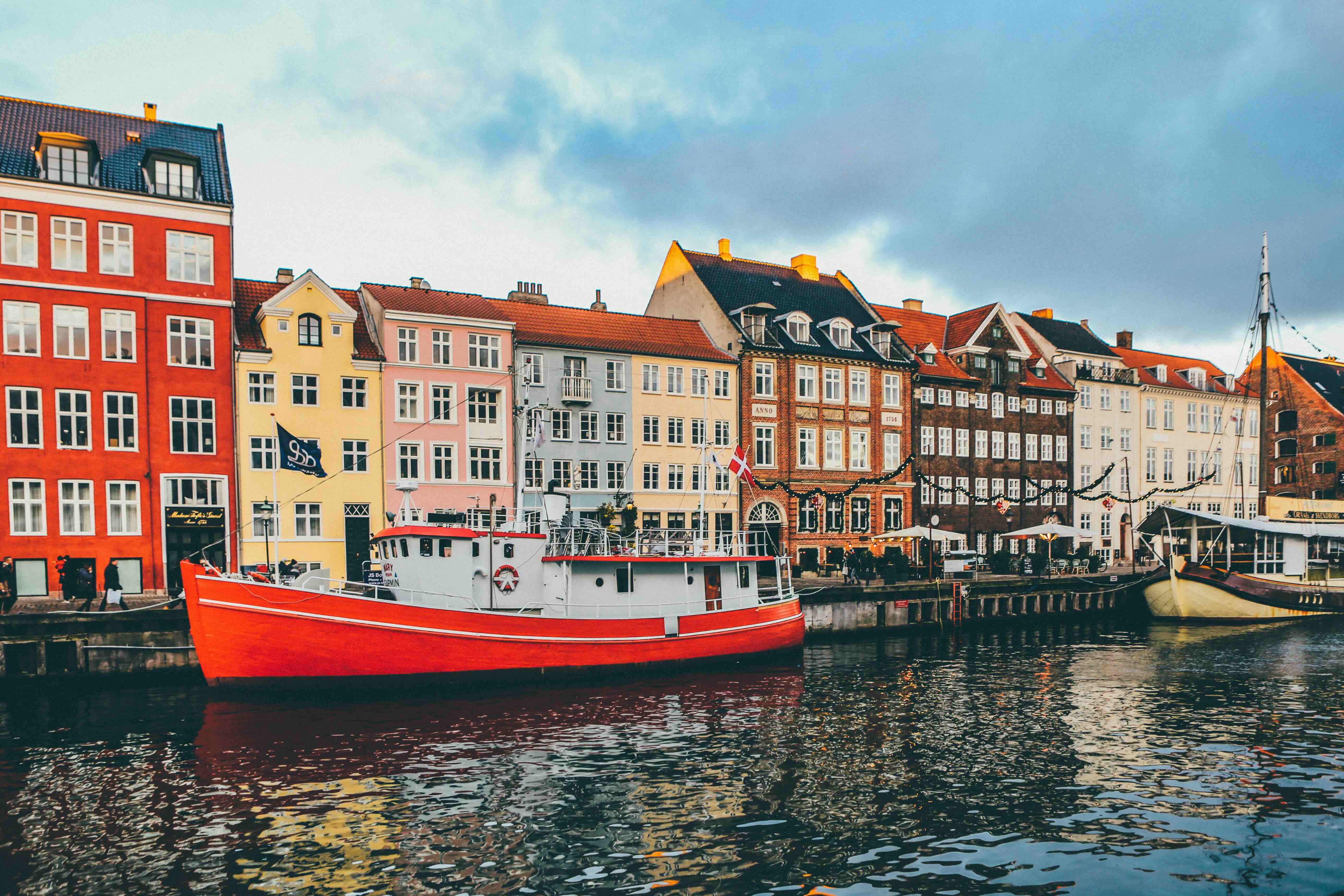
Prague → Copenhagen
around 11h · ComfortJet (ČD · DB · DSB)
The direct ComfortJet through this leg: Prague to Copenhagen
View Route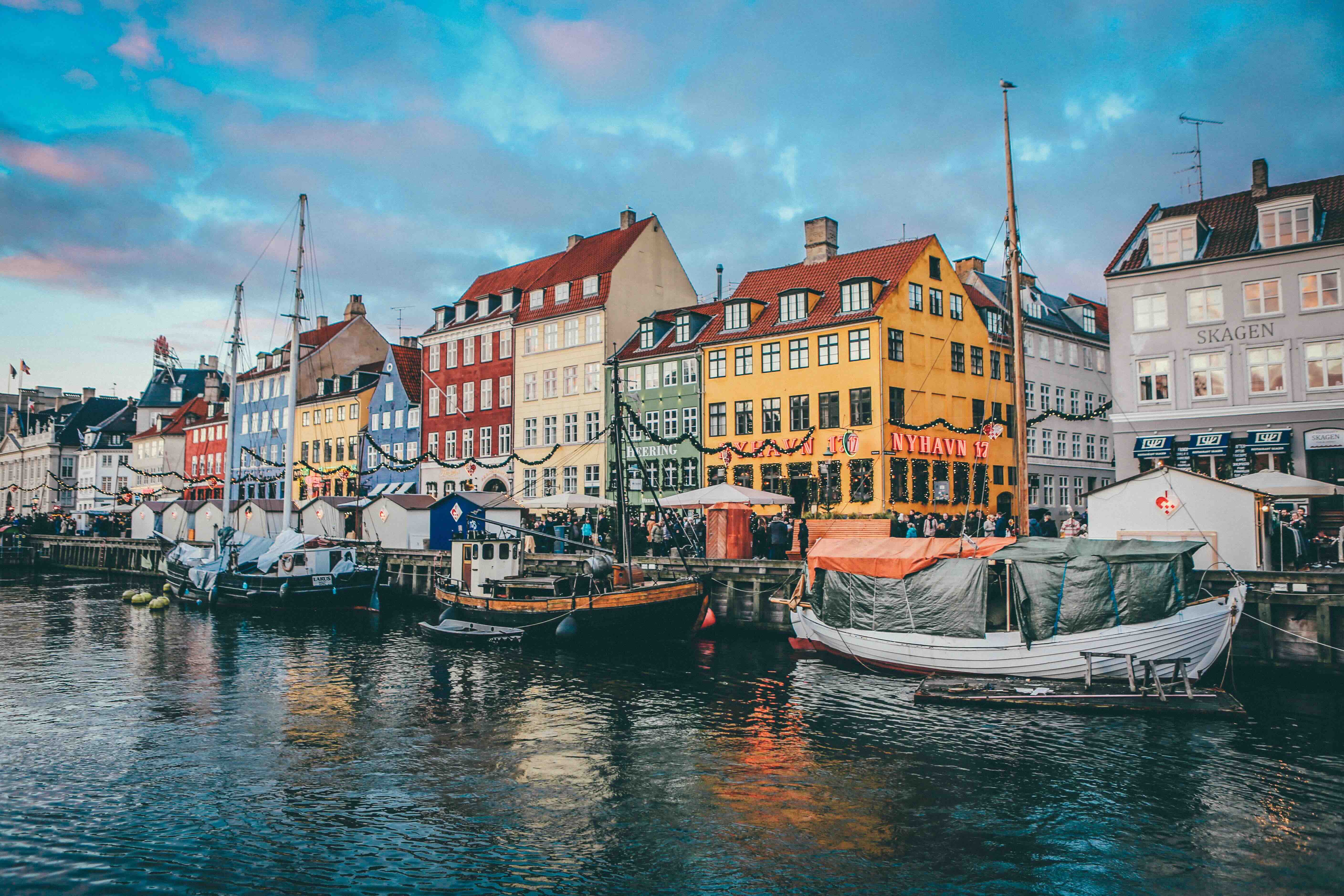
Hamburg → Copenhagen
~4h 40m · EuroCity (DSB · ČD)
Continue north into Scandinavia: Hamburg to Copenhagen
View Route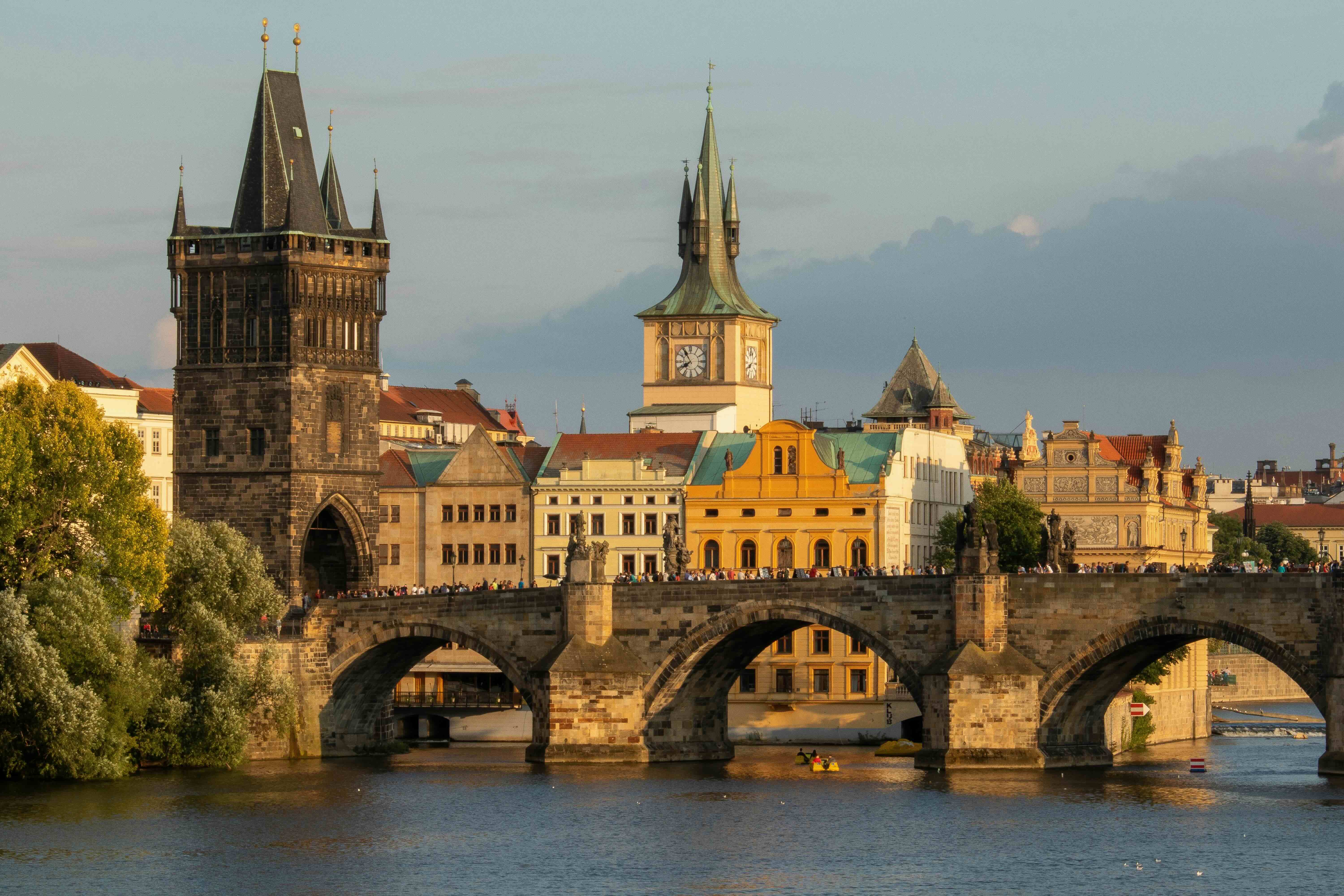
Interrail and the Swiss Travel Pass — when a pass beats point-to-point tickets and when it does not.
When reservation is mandatory, which side of the train has the views, and how to choose your class.
Berlin to Hamburg is German rail at its most effortless: a fast, frequent ICE between two great cities in around 1 hour 45 minutes, city centre to city centre, with reservations optional and the next train never far away. Take whichever ICE suits, enjoy the calm run across the northern plain, and step off at Hamburg into Germany's gateway to the coast, the islands and Scandinavia beyond.