Brussels to Milan by Night Train
The European Sleeper Over the Alps
Brussels to Milan is a direct overnight train across four countries: from Brussels-Midi through Germany overnight, over the Swiss Alps on the Gotthard by day and down into Italy to Milano Porta Garibaldi, with no change of train. It is the European Sleeper, a night train launched in September 2026, running a few evenings a week, city centre to city centre with no flight.
This is a genuine sleeper journey rather than a quick hop, so the way you travel matters. You book an accommodation, a seat, a couchette or a bed in a sleeping car, not just a ticket, and you board in the evening to wake up in the Alps. This guide covers what actually runs today: the operator and the days it goes, the route and stations, the accommodation on board, reservations and Interrail, how to book, and the change coming to the service in December 2026.
A newly launched night train, a few days a week: European Sleeper runs this train three times a week, booked on its own site europeansleeper.eu. It is not a daily service, so plan around its departure days and book your bed or couchette early.
Ready to book Brussels to Milan?
The direct night train is run by European Sleeper and booked on its own website, europeansleeper.eu, where you choose your accommodation and pay for the whole journey in one booking. It runs three times a week from Brussels-Midi, currently on Monday, Thursday and Saturday evenings, arriving in Milan late the next morning. Booking opens up to around six months ahead, and beds and private compartments sell out first, so book early. Interrail passes are accepted, with a compulsory paid reservation booked as a "reservation only" place on the same site.
Railero may earn a small commission if you book via the link above, at no extra cost to you.
Departing Brussels-Midi
Brussels-Midi / Brussel-Zuid, Belgium · 50.836°N, 4.336°E
The journey begins in the evening at Brussels-Midi, known as Brussel-Zuid in Dutch and Brussels-South in English, the city's international station and the hub where the Eurostars from London and Paris meet the wider European network. It is a busy, functional station about 2 km south of the old town, easy to reach on frequent local trains, the metro and trams, so it is a straightforward place to start an overnight trip.
Boarding a sleeper is relaxed and unlike a flight: there is no airport-style check-in or security, so you arrive a little before departure, find your coach on the platform, and step aboard to your seat, couchette or cabin. The train pulls out east into the Belgian evening and settles in for the long run across Germany while you sleep.
Brussels–Milan - Journey Facts
- RouteBrussels-Midi → Milano Porta Garibaldi, via Cologne and the Gotthard
- OperatorEuropean Sleeper (booked at europeansleeper.eu)
- Journey timeOvernight, around 17 to 18 hours - check current schedules
- FrequencyThree nights a week (currently Mon, Thu, Sat from Brussels)
- CountriesBelgium, Germany, Switzerland and Italy
- On boardSeats, couchettes and sleeping-car beds; reservation-only
Through Germany Overnight
Liège, Aachen and Cologne · 50.943°N, 6.958°E
Out of Brussels the train runs east across Belgium, calling at Liège before crossing the German border near Aachen and reaching Köln Hauptbahnhof, the great station beside the twin-spired cathedral on the Rhine. This is the last major stop before the long overnight leg, and a natural place to join if you are starting from the Rhineland. From here the train heads south, following the Rhine through Germany as the evening turns to night.
Most of the German section passes in darkness, which is the point of a sleeper: you trade the view for a night in a bed and wake up much further south. There is no drama to the borders, since Belgium, Germany and the countries beyond are all in the Schengen area, so the train runs straight through. Settle into your couchette or cabin, and the next time the landscape matters you will be at the foot of the Alps.
Worth Knowing
Across the Alps by Day
Switzerland and the Gotthard · 46.817°N, 8.642°E
Morning comes in Switzerland, and this is the scenic heart of the trip. The train crosses the Swiss Mittelland and climbs toward the Gotthard, the historic route under the Alps, then drops south into Ticino, the Italian-speaking canton, past Bellinzona with its castles and along the shore of Lake Lugano. It is a genuinely beautiful stretch, mountains and lakes in the morning light, and the reason many people take this train by choice rather than just for the sleep.
The exact Swiss stops are settling as the service beds in, and they change again at the December 2026 timetable, so it is best to check the current calling pattern rather than rely on a fixed list. What is constant is the shape of the day: into Switzerland in the morning, over the Gotthard, down through Ticino past Lugano to the border, and into Italy. Travel with the blind up for this part; it is the payoff for the night before.
The German night buys you the Swiss morning: you sleep across the Rhineland and wake up crossing the Alps on the Gotthard, down toward the Italian lakes.
Arriving at Milano Porta Garibaldi
Milano Porta Garibaldi, Italy · 45.485°N, 9.187°E
After the border at Chiasso and a stop at Como San Giovanni beside Lake Como, the train reaches Milan late in the morning at Milano Porta Garibaldi. It is worth knowing that this is not Milano Centrale, the vast monumental terminus, but Porta Garibaldi, a big, modern, central station in the Porta Nuova business district north of the centre. It is well connected and puts you right in the city, so there is no airport transfer to worry about.
Getting into the centre from Porta Garibaldi is easy. The station is on metro lines M2 (green) and M5 (lilac) and is a hub for suburban and regional trains, so the Duomo, the Galleria and the old centre are a few minutes away by metro or a walkable stroll south. Porta Garibaldi is also a departure point for onward trains, so you can connect straight on across Italy, to the lakes, Venice, Florence, Rome and beyond.
From Milano Porta Garibaldi
Accommodation on the European Sleeper
What you can book, and how to choose
On a sleeper the accommodation is the journey, so it is worth choosing well. European Sleeper offers three levels on this train. The cheapest is a seat in a seating car, fine for a budget overnight but not a bed. A step up is a couchette, a simple bunk with bedding in a compartment shared with others, booked in a four or six-berth compartment or, for more privacy, as a private compartment for your group. The most comfortable is a bed in a proper sleeping car, a private cabin with made-up beds for one, two or three people.
Which to pick depends on budget and how well you want to sleep. A seat is the low-cost choice; a couchette is the classic night-train experience and good value; a sleeping-car bed is the most restful and private, and the one to book if arriving fresh matters. Couchette and sleeper places come made up with bedding. Beds and private compartments are limited and sell out first, so if you want one, book as early as you can.
The three levels
- SeatA reclining seat in a seating car - the budget option, not a bed
- CouchetteA bunk with bedding, in a shared 4 or 6-berth or a private compartment
- SleeperA private cabin with made-up beds, for one, two or three people
- BeddingIncluded on couchette and sleeper places
- BookingChoose your level at europeansleeper.eu; beds sell out first
Reservations, Interrail, Booking and the Border
The practical rules for the European Sleeper
Reservations are simple to understand here because the accommodation is the reservation. Every ticket is for a specific train and a specific place, a seat, couchette or bed, so there is no separate seat reservation to add on an ordinary ticket; you simply book the accommodation you want. Tickets are sold by European Sleeper on its own site, europeansleeper.eu, rather than the national-railway booking engines, and booking opens up to around six months ahead. Book early for the cheapest fares and for the beds and private compartments, which go first.
For pass holders, Interrail is accepted on the European Sleeper, but a pass alone does not let you board. You book a compulsory paid reservation for your accommodation on europeansleeper.eu as a "reservation only" place, choosing a seat, couchette or bed; the supplement depends on the level you pick, and places are limited and can sell out independently, so book the reservation as early as you can. For the wider picture, see the rail passes and seat reservations guides linked below.
On the border, Belgium, Germany, Switzerland and Italy are all in the Schengen area, so ordinary internal border controls are generally absent and the train is not routinely checked; Switzerland is in Schengen but not the EU, so occasional customs checks are possible. Carry the valid travel documents your nationality or status requires and keep them reachable. On luggage there is no airline-style check-in: you carry your bags aboard and keep them with you, so bring what you can manage and keep valuables close. Accessibility varies by coach on this older sleeper stock, so if you need step-free access or assistance, arrange it with European Sleeper well in advance.
Quick Tips
Book early for a bed: sleeping-car beds and private compartments are limited and sell out first on this few-days-a-week train.
Check the days and the date: it runs three nights a week and the timetable changes in December 2026, so confirm the current calling pattern for your date.
Pass holders, reserve: Interrail is accepted, but book the compulsory "reservation only" place on europeansleeper.eu as early as you can.
Hotels in Milan
Milan rewards staying central, around the Duomo and the Brera quarter, a short metro ride from Milano Porta Garibaldi where the sleeper arrives.
Milan - Piazza della Repubblica
Milan's grand historic hotel on Piazza della Repubblica, between Porta Garibaldi and the centre - the classic luxury address, a short metro ride from where the sleeper arrives.
Milan - beside the Duomo
A stylish design hotel steps from the Duomo and the Galleria, in the very heart of the city - central and walkable, an easy metro hop from Porta Garibaldi.
Milan - by the station
A dependable, well-priced modern hotel close to Porta Garibaldi and the Corso Como nightlife - a practical base right where the night train arrives.
Hotel links open Booking.com in a new tab.
Frequently Asked Questions
- Is there a direct night train from Brussels to Milan?
- Yes. European Sleeper launched a direct Brussels to Milan overnight train in September 2026. It runs from Brussels-Midi through Germany and over the Swiss Alps to Milano Porta Garibaldi with no change of train. It is a genuine sleeper service, so you book a seat, couchette or bed rather than an ordinary ticket. Check current schedules when you book.
- Who operates the Brussels to Milan sleeper?
- European Sleeper, a Belgian and Dutch night-train operator, runs the service. Tickets are sold on its own website, europeansleeper.eu, rather than through the usual national-railway booking sites.
- How often does it run?
- Three times a week in each direction. In the current timetable the train leaves Brussels on Monday, Thursday and Saturday evenings, with return departures from Milan on other days. Because it is a limited, few-days-a-week service, plan around its departure days and check the current calendar when you book.
- How long does the Brussels to Milan train take?
- It is a long overnight journey: the train leaves Brussels in the evening and arrives in Milan late the following morning, roughly 17 to 18 hours, because it crosses Germany overnight and Switzerland by day. Treat the time as approximate and check the current timetable, as departure and arrival times can shift with the seasonal schedule.
- Which stations does it use?
- It runs from Brussels-Midi (Brussel-Zuid) to Milano Porta Garibaldi, a central Milan station on the metro rather than the larger Milano Centrale. So it is city centre to city centre at both ends, with no airport transfer.
- Does the train go through Switzerland?
- Yes. The route crosses four countries: Belgium, Germany, Switzerland and Italy. After running through Germany via Cologne overnight, it enters Switzerland and crosses the Alps over the Gotthard by day, calling at stops such as Göschenen, Bellinzona and Lugano before reaching Como San Giovanni and Milan. All four countries are in the Schengen area.
- What accommodation is available?
- European Sleeper offers three levels on this train: a seat in a seating car (the budget option), a couchette in a shared four or six-berth compartment or booked as a private compartment, and a bed in a proper sleeping car for the most comfort and privacy. Couchette and sleeper places come with bedding. It is worth booking the level you want early, as beds and private compartments sell out first.
- Can I use an Interrail Pass?
- Yes, Interrail passes are accepted on the European Sleeper. A pass alone is not enough to board, though: you must book a compulsory paid reservation for your accommodation, which you do on europeansleeper.eu by booking a "reservation only" place. The supplement depends on whether you choose a seat, couchette or bed, and places are limited and can sell out, so book as early as you can.
- Where do I book the European Sleeper?
- Book directly at europeansleeper.eu, where you choose your accommodation and pay for the whole journey in one booking. Booking opens up to around six months ahead. Interrail pass holders book a "reservation only" place on the same site. There is no airport-style check-in; you board with your ticket and find your seat, couchette or cabin.
- Will the train stop in Antwerp?
- Not yet. In the current service the train starts from Brussels-Midi. European Sleeper has said that from the December 2026 timetable change the Brussels to Milan train will also serve the Netherlands, adding stops such as Antwerp, Breda and Eindhoven, and the Swiss stopping pattern will change too. Until then it runs as described here, so check the current timetable for your travel date.
Not sure if you need to reserve a seat?
Check this journey in Railero’s Seat Reservation Checker.
Continue Your Journey
Routes that pair naturally with this one — for building your European itinerary.
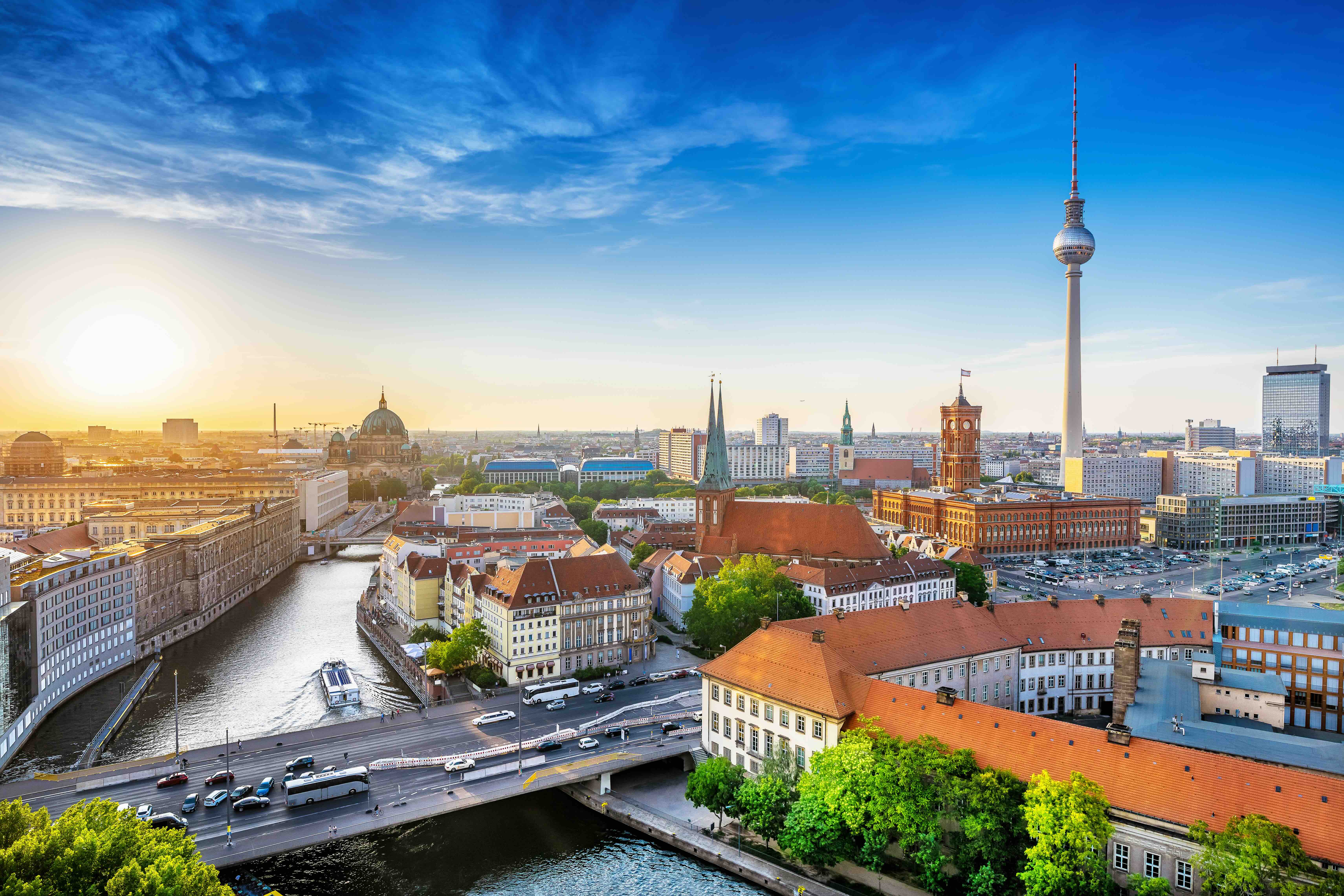
Paris → Berlin
around 16h · European Sleeper
The other European Sleeper: the Paris to Berlin night train
View Route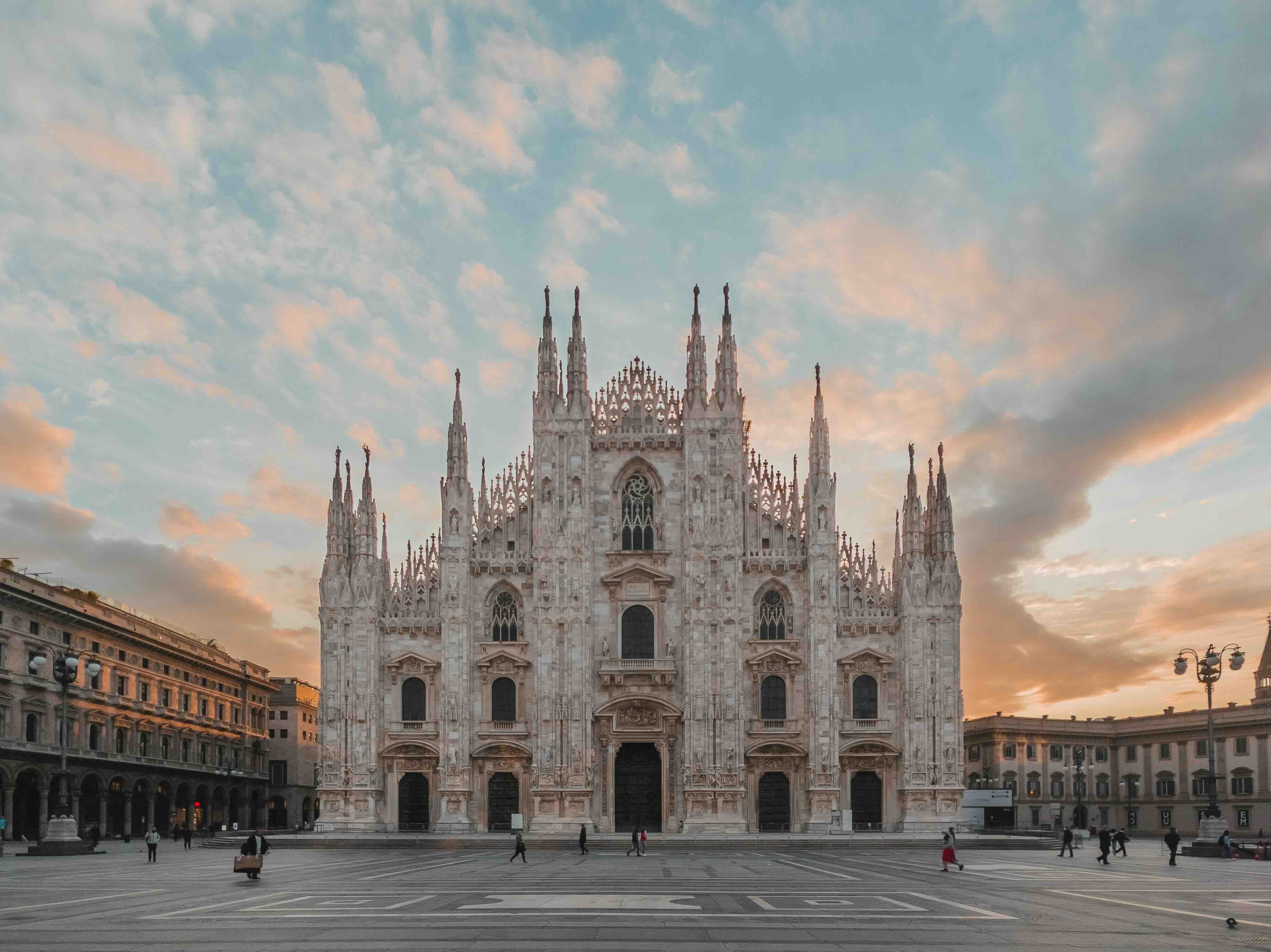
Antwerp → Milan
~17h 20m · European Sleeper
Board the same train in Antwerp from December 2026
View Route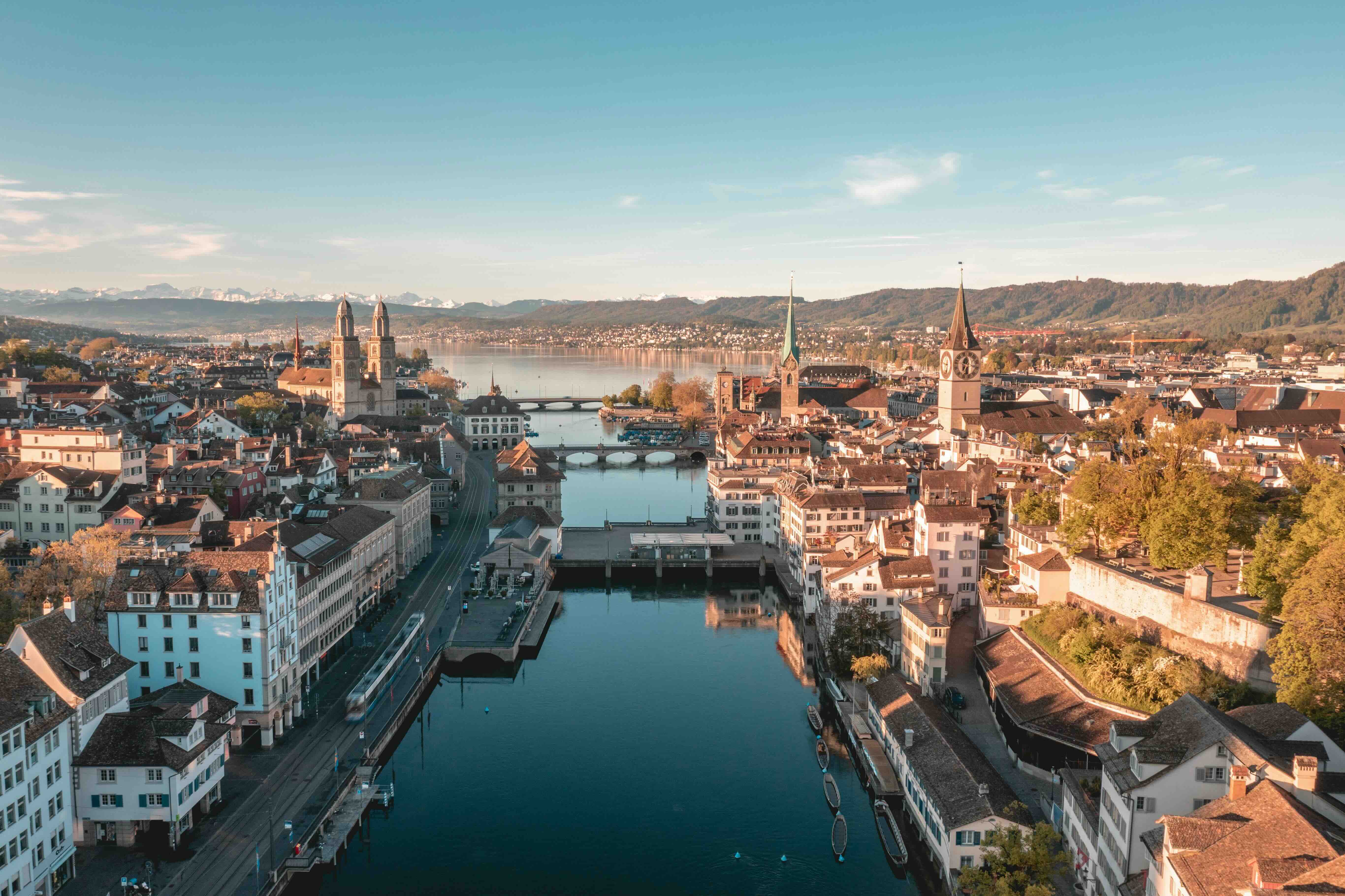
Milan → Zurich
~3h 20m · EuroCity (SBB/Trenitalia)
The Gotthard crossing by day: Milan to Zurich
View RouteWhen reservation is mandatory, which side of the train has the views, and how to choose your class.
Interrail and the Swiss Travel Pass — when a pass beats point-to-point tickets and when it does not.
Brussels to Milan by night train is a proper overnight adventure: board the European Sleeper in the evening at Brussels-Midi, sleep across Germany, and wake up crossing the Alps over the Gotthard before arriving in central Milan at Porta Garibaldi. Book a couchette or a sleeping-car bed early, travel by day for the Swiss mountains, and treat it as the flying-free way from the Low Countries to Italy.
Back to all routes