Milan to Zurich
Under the Alps by EuroCity
This is the classic rail link between northern Italy and Switzerland: out of Milano Centrale's marble halls, past Como to the border, along Lugano's palm-fringed lake, and then - the modern twist - under the Alps entirely, through the 57-kilometre Gotthard Base Tunnel, the longest rail tunnel in the world. Around 3 hours 20 minutes later the doors open at Zürich HB.
Direct EuroCity trains, run by SBB in partnership with Trenitalia, make the trip several times a day. It is two countries, two languages and two railway cultures in one sitting - espresso-standard Italy at one end, clockwork Switzerland at the other, and the Ticino, Italian-speaking Switzerland, as the beautiful hinge between them.
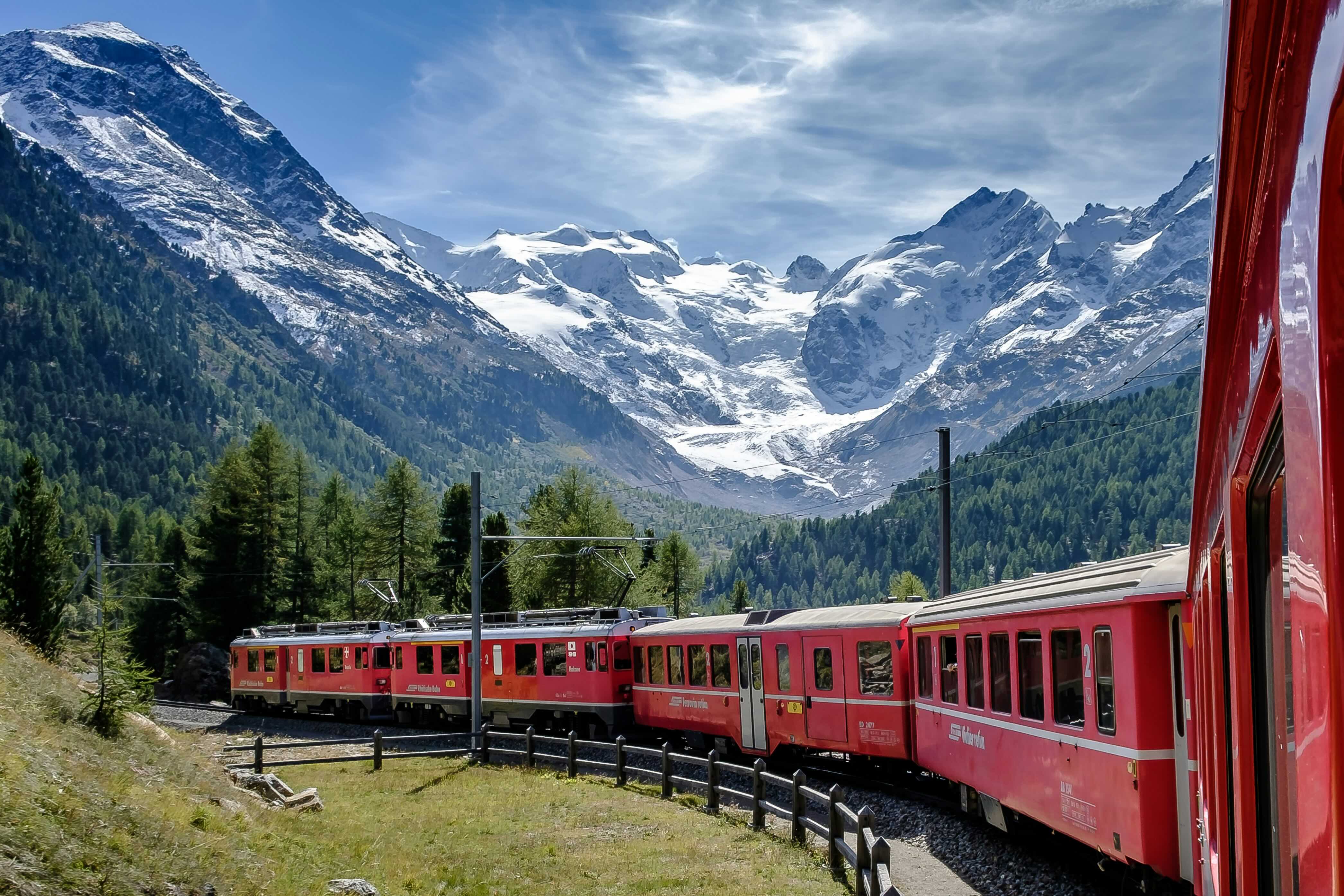
Scenery, honestly: Como, Lugano and the castle-topped Ticino valleys are genuinely lovely - but today's trains cross the Alps inside the base tunnel, in about twenty minutes of darkness. If you want the full over-the-mountains spectacle, pair this route with the Bernina Express.
Ready to book Milan to Zurich?
Regular EuroCity tickets include an assigned seat and are cheapest booked in advance - the direct trains sell out around weekends and holidays. Interrail passes cover the route, but the direct EuroCity needs a compulsory paid reservation for the Italian leg; regional trains with a change at Chiasso or Lugano are the reservation-free alternative.
Railero may earn a small commission if you book via the link above, at no extra cost to you.
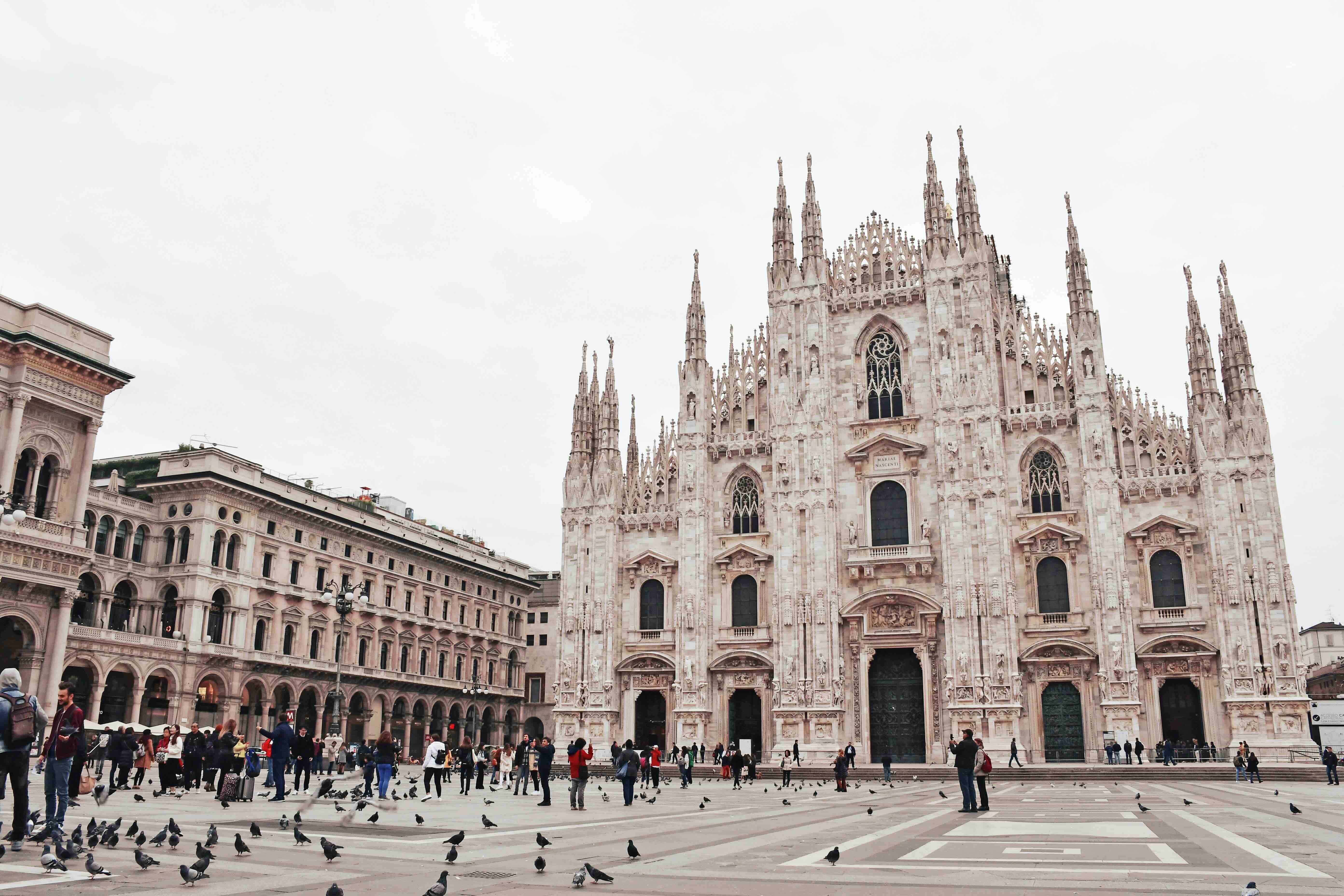
Milano Centrale - Departure from the Marble Cathedral
Milano Centrale, Italy · 45.486°N, 9.204°E
Few stations announce a journey like Milano Centrale - a vast 1931 monument of marble staircases, winged horses and iron canopies. Zurich trains depart from the main trainshed; Italian long-distance platforms can involve a ticket check at the gate line, so keep your ticket handy and allow a few extra minutes to walk the station's considerable length.
The EuroCity slips out through Milan's northern sprawl and is soon into the lake country of Brianza. Within forty minutes the ridge above Como appears - and with it the first glimpse of the water that gives this corridor its opening act.
Milan–Zurich - Journey Facts
- RouteMilano Centrale → Zürich HB (via Como, Lugano, Bellinzona)
- OperatorEuroCity - SBB in partnership with Trenitalia
- Journey timeAround 3h 20m direct, varying by service
- FrequencySeveral direct trains daily, plus connections via Chiasso/Lugano
- The tunnelGotthard Base Tunnel - 57 km, the world's longest rail tunnel
- BorderSchengen: no systematic checks; carry ID for occasional customs spot checks
- ReservationsIncluded with normal tickets; pass holders pay a reservation on the direct trains
- LuggageNo restrictions - racks at carriage ends and overhead
Como and the Border at Chiasso
Como San Giovanni & Chiasso · 45.809°N, 9.072°E
The line calls at Como San Giovanni, on the hillside above the lake's southwestern tip - sit on the right side leaving Milan and you catch the water below the town, with the villas of the shoreline stacked against the mountains. Minutes later the train rolls through Chiasso, and Italy becomes Switzerland with barely a ripple.
Both countries are in Schengen, so there is no passport queue - the change announces itself instead in details: the trackside tidiness, the bilingual announcements, the sudden punctuality of everything. Switzerland sits outside the EU customs union, though, so uniformed officers do occasionally walk the train; keep your passport or ID card reachable rather than buried.
One minute you are in Lombardy, the next in Switzerland - and only the announcements and the punctuality give it away.
Lugano - Italian Switzerland at Its Loveliest
Lugano, Ticino, Switzerland · 46.006°N, 8.947°E
The Ticino is Switzerland speaking Italian, and Lugano is its capital of style: the train runs high above Lake Lugano with the city terraced below, palm trees along the waterfront and the sugarloaf peaks of Monte Brè and San Salvatore framing the bay. It is the scenic high point of the journey - worth putting the phone down for, whichever direction you are travelling.
Beyond Lugano the train threads the Monte Ceneri Base Tunnel into the flat-bottomed valley of the Ticino river, and calls at Bellinzona - guarded by three UNESCO-listed medieval castles, visible from the train, that once controlled every cart crossing these passes. Then the valley walls rise, and the line aims straight at the wall of the Alps.
Worth Knowing
The Gotthard - Twenty Minutes Under the Mountains
Gotthard Base Tunnel · 57 km · portals at Bodio and Erstfeld
At Bodio the train enters the Gotthard Base Tunnel and, for around twenty minutes, the Alps happen overhead. Opened in 2016 after seventeen years of boring, it is the longest rail tunnel in the world at 57 kilometres, running up to 2,300 metres beneath the peaks - an engineering monument you experience mostly as a pressure change and a steady 200 km/h hum.
Honesty requires saying what the tunnel replaced: the old panoramic mountain line over the passes, with its spiral tunnels and the church at Wassen appearing three times at different heights. That line still exists - seasonal panorama services and slower trains use it - but the everyday EuroCity takes the fast way through. You surface at Erstfeld into a different climate and a different language, with the Lake of Uri and then the Zugersee accompanying the final run past Arth-Goldau and Zug toward Zurich.
The old line climbed over the Alps in loops and spirals; the new one simply refuses to acknowledge them. Twenty minutes of darkness, and the weather has changed.
Zürich HB - Arrival on the Limmat
Zürich Hauptbahnhof, Switzerland · 47.378°N, 8.540°E
The EuroCity ends at Zürich HB, Switzerland's biggest station, right on the river Limmat at the head of the old town - the Bahnhofstrasse begins at the front door, and the lanes of the Niederdorf with the Grossmünster's twin towers are ten minutes on foot along the water. Trams fan out from the station square to everywhere else.
Zürich HB is also Switzerland's great junction: from the same platforms, direct trains continue to Lucerne in around 50 minutes, to Interlaken and the Jungfrau region in about two hours, and to Chur for the Glacier and Bernina connections. Arriving from Milan, you are one easy change from the whole Swiss network - which is exactly how many travellers use this route.
From Zürich HB
Reservations, Passes and the Border
The practical rules for an international EuroCity
With a normal ticket this route is simple: buy in advance for the best fares, your seat is assigned automatically, and boarding needs no security theatre at either end (just Milano Centrale's gate-line ticket check). Rail passes add one wrinkle - the direct EuroCity requires a compulsory paid seat reservation covering the Italian leg to Chiasso, bookable through the operators or agencies such as ÖBB and Rail Europe, and worth arranging ahead in summer.
The pass-holder workaround is worth knowing: regional trains with a change at Chiasso or Lugano need no reservation at all and are fully covered. It costs perhaps an hour and a little comfort, and in exchange the Ticino leg can even use the old scenic alignments. Whichever you choose, carry your passport or ID - Schengen removes the queues, not the occasional onboard spot check.
Quick Rules
Normal tickets: book ahead, seat included, no reservations to think about.
Pass holders: paid reservation on the direct EuroCity - or go reservation-free on regionals via Chiasso/Lugano.
Want mountain views? this train goes under the Alps; plan the Bernina Express for the over-the-top crossing.
Hotels in Zurich
Zürich HB puts you at the top of the Bahnhofstrasse, with the old town across the river - stay central and the city works entirely on foot and tram.
Zurich - lakefront, foot of the Bahnhofstrasse
The city's legendary grand hotel since 1844, in its own park between the Bahnhofstrasse and the lake - old-money Zurich at full polish.
Zurich - directly opposite the station
A polished traditional hotel across the square from Zürich HB - the practical luxury pick for rail travellers, with the tram network at the door.
Zurich - Niederdorf, in the old town
A cheerful, fairly priced hotel in the pedestrian lanes of the Niederdorf, with its famous Swiss-fondue restaurant downstairs - ten minutes' walk from the platforms.
Hotel links open Booking.com. Railero may earn a commission on bookings at no extra cost to you.
Frequently Asked Questions
- How long does the Milan to Zurich train take?
- Around 3 hours 20 minutes on the direct EuroCity trains, thanks to the Gotthard Base Tunnel - the 57 km tunnel under the Alps that cut roughly an hour from the old mountain routing. Exact timings vary slightly by service, so check when you book.
- Is there a direct train from Milan to Zurich?
- Yes - direct EuroCity trains link Milano Centrale and Zürich HB several times a day, operated by SBB in partnership with Trenitalia, running via Como, the border at Chiasso, Lugano and Bellinzona. Connections with a change (typically at Chiasso or Lugano) fill the gaps between direct departures.
- Do I need a seat reservation?
- A normal ticket for the direct EuroCity comes with an assigned seat, so there is nothing extra to book. Rail pass holders are the exception: the direct trains require a compulsory paid reservation for the Italian leg (Milan to the border at Chiasso), while within Switzerland no reservation is needed - see the pass question below for the workaround.
- How do Interrail passes work on this route?
- Both passes cover the journey, but the direct EuroCity requires a paid seat reservation (booked via the operators or agencies such as ÖBB or Rail Europe - availability can be quirky for non-European cards). The reservation-free alternative is to take regional trains with a change at Chiasso or Lugano: slower, but no fees, and entirely covered by the pass.
- Are there border controls between Italy and Switzerland?
- Both countries are in the Schengen area, so there is no systematic passport control - the train simply runs through Chiasso. Switzerland is outside the EU customs union, however, so occasional spot checks by border or customs officers do happen onboard. Carry your passport or ID card; it is rarely asked for, but it must be with you.
- Is the Milan to Zurich train scenic?
- In parts, genuinely - the approach past Como, Lugano across its lake, and the castle-topped Ticino valleys around Bellinzona are lovely, and the Zugersee appears near the end. Be aware the modern route crosses the Alps inside the Gotthard Base Tunnel: about twenty minutes of darkness where the old line once climbed through mountain spirals. For a full-scenery Alpine crossing, the Bernina Express is the one to plan around; this train is the fast, comfortable way between the cities.
Continue Your Journey
Routes that pair naturally with this one — for building your European itinerary.
Brussels → Milan
~17-18h · European Sleeper
Sleep over the Gotthard: the Brussels to Milan night train
View Route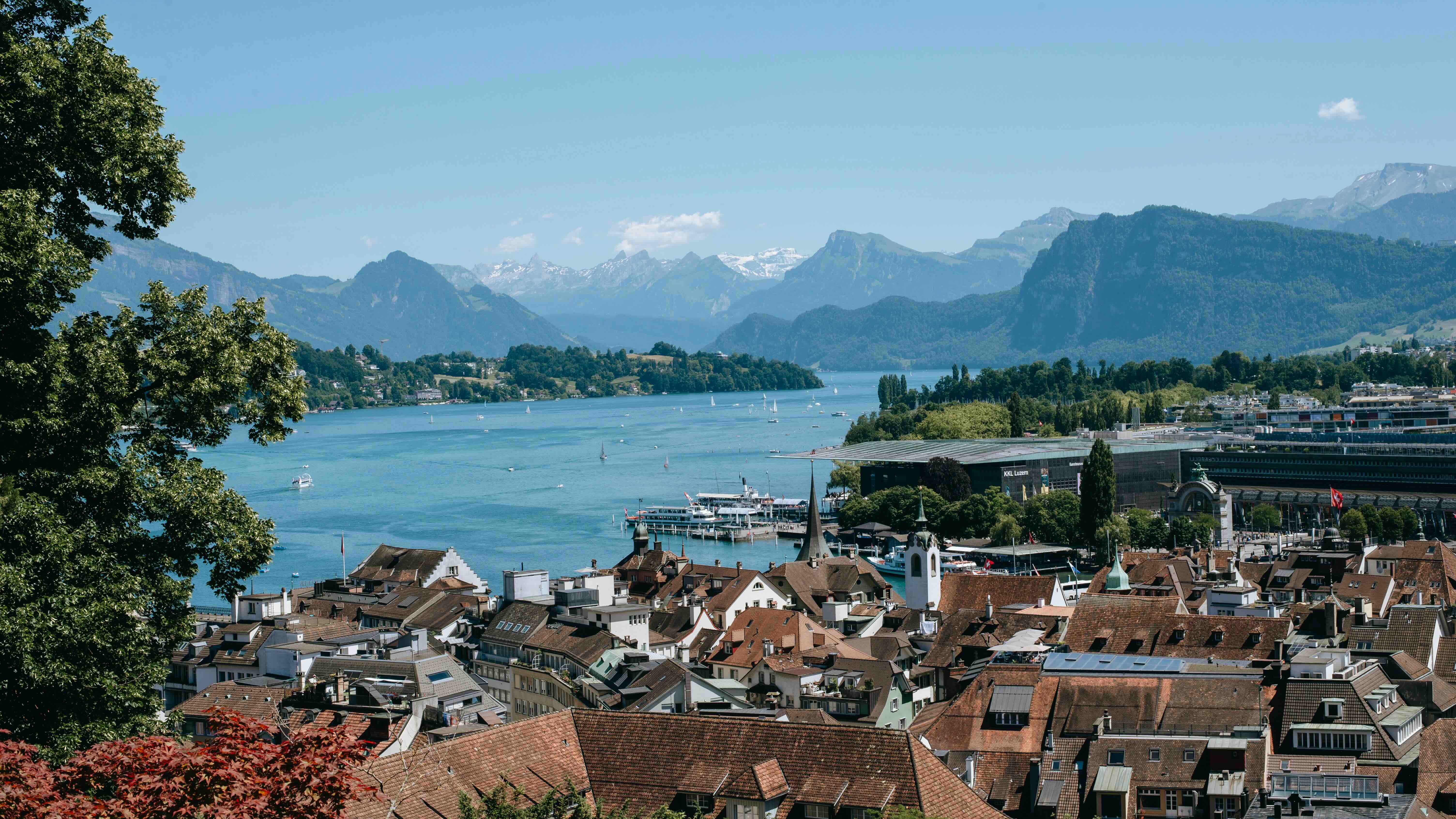
Interrail and the Swiss Travel Pass — when a pass beats point-to-point tickets and when it does not.
When reservation is mandatory, which side of the train has the views, and how to choose your class.
Milan to Zurich is the workhorse crossing of the Alps - three and a half hours, two cultures, one extraordinary tunnel - and the natural spine of any Italy-plus-Switzerland itinerary. Book the direct EuroCity for speed, take the regional option if you are pass-holding and patient, and save the Bernina Express for the day the mountains deserve a window seat.
Back to all routes