Brussels to Cologne
Belgium to Germany by ICE
This is one of the fastest international rail journeys between Belgium and Germany: a direct ICE from Brussels-Midi to Köln Hauptbahnhof in about 1 hour 47 minutes, racing across the Belgian high-speed lines via Liège and Aachen - and delivering you to what may be Europe's most dramatic station doorstep, with Cologne Cathedral filling the square outside the exit.
The corridor is the western gateway to the German rail network. Most ICEs continue beyond Cologne toward Frankfurt, and some Eurostar services share the route - which means an EU-capital business shuttle at one end and, at the other, connections to almost everywhere in Germany. For pass holders it is a quiet gem: the ICE needs no compulsory reservation on any leg.
Why the train owns this corridor: Brussels and Cologne are barely 200 km apart - too close for flying to make any sense once airport transfers are counted. The ICE does it centre to centre in well under two hours, working the whole way if you want to.
Ready to book Brussels to Cologne?
ICE International tickets are sold by both DB and SNCB - saver fares reward booking ahead, flexible fares include a free seat reservation, and reservations are otherwise optional for a small supplement. Eurostar services on the corridor are reservation-only and priced like flights. Interrail passes cover the ICE with no supplement at all, making it the obvious pass-holder choice.
Railero may earn a small commission if you book via the link above, at no extra cost to you.
Brussels-Midi - Departure Toward the East
Brussels-Midi / Brussel-Zuid, Belgium · 50.836°N, 4.336°E
Cologne trains leave from Brussels-Midi - Brussel-Zuid on the Dutch-language signs - Belgium's international hub, where they line up alongside Eurostars from London and Paris. Boarding the ICE is refreshingly informal: no gates, no lead time, walk up and board from the ordinary platforms like any Belgian domestic train. Most departures also call at Brussels-Nord minutes later, useful if you are staying near the EU quarter's northern edge.
Midi itself is well connected: metro lines 2 and 6 underneath, trams outside, and frequent trains to Brussels-Central in a few minutes. Connecting from London or Paris? The Cologne ICE leaves from the same station your Eurostar arrives into - a same-station change that makes London→Cologne or Paris→Cologne an easy one-stop itinerary.
Brussels–Cologne - Journey Facts
- RouteBrussels-Midi → Köln Hbf, via Leuven, Liège and Aachen
- OperatorICE International (DB/SNCB) - some Eurostar services share the corridor
- Journey timeAbout 1h 47m direct - check current schedules
- FrequencySeveral direct ICEs daily, most continuing to Frankfurt
- ReservationsOptional on ICE; compulsory only on Eurostar services
- BorderSchengen - no systematic checks; carry ID, spot checks occur
Leuven and the Launch onto the High-Speed Line
Leuven, Belgium · 50.881°N, 4.715°E
The first minutes run east through Brussels' suburbs to Leuven, Belgium's great university city - six centuries of colleges around one of Europe's most ornate Gothic town halls, worth its own visit on a slower day. Some ICEs call here; others sail through. Either way, Leuven is where the journey changes character.
Just beyond the city the train swings onto HSL 2, Belgium's eastern high-speed line, and accelerates to 300 km/h across the Hesbaye - a wide, rolling plateau of wheat and orchards where the catenary posts flicker past faster than the scenery deserves. It is the fastest stretch of the trip, and it makes short work of the middle of Belgium.
From Leuven's Gothic spires to 300 km/h in about a minute - central Belgium at its most efficient.
Liège-Guillemins - Calatrava's Cathedral of Concrete and Glass
Liège-Guillemins, Belgium · 50.624°N, 5.567°E
The descent into the Meuse valley ends under one of Europe's great modern stations: Liège-Guillemins, Santiago Calatrava's soaring vault of white concrete and glass, opened in 2009. There are no walls in the conventional sense - the canopy simply pours over the platforms - and even a two-minute ICE stop is enough to understand why architecture pilgrims come here on purpose.
Liège is also the corridor's junction: this is where the Frankfurt ICEs and the Paris–Cologne axis intersect with Belgian domestic lines toward the Ardennes. Leaving Guillemins, the train climbs out of the valley onto HSL 3 through the green hills of the Pays de Herve - the prettiest scenery of the trip - aiming for the German border.
Worth Knowing
Into Germany at Aachen - Charlemagne's City
Aachen Hauptbahnhof, Germany · 50.768°N, 6.091°E
The Belgian–German border passes in the wooded hills just west of Aachen, at line speed and without ceremony - Schengen means no systematic checks, though police do board international trains from time to time, so keep your passport or ID card reachable. The first announcement in German is usually the clearest sign you have arrived.
Aachen, the first German stop, carries more history than its size suggests: Charlemagne's capital, whose palatine chapel - the core of the cathedral - has watched over coronations since the ninth century, ten minutes' walk from the Hauptbahnhof. It is also a practical interchange for regional trains across the three-country corner where Germany, Belgium and the Netherlands meet. From here the ICE drops onto the classic line via Düren for the final half hour across the Rhineland plain.
The border announces itself in the small print: the announcements switch language, the signals change shape, and Charlemagne's city rolls up to the windows.
Köln Hauptbahnhof - The Cathedral at the Station Door
Köln Hauptbahnhof, Germany · 50.943°N, 6.958°E
No station in Europe makes an entrance like Cologne's. Köln Hauptbahnhof sits directly beside the Dom - step out of the main exit and the twin spires of the cathedral, Germany's most-visited monument, fill the entire view before your eyes have adjusted to daylight. It is a genuinely startling arrival, and it never quite stops being one.
The station is western Germany's great junction. S-Bahn and U-Bahn lines fan out beneath and beside it; the old town and the Rhine embankment are minutes away on foot; and the departure boards read like a national timetable - ICEs east and north across Germany, and the Hohenzollern Bridge carrying every onward train across the Rhine right behind the station.
From Köln Hbf
Riding the ICE - Reservations, Boarding and the Eurostar Alternative
How Germany's flagship train works on this corridor
The ICE International is Germany's flagship product doing international work: quiet, comfortable, with a restaurant car, at-seat power and generous luggage racks. Crucially, reservations are optional - board with any valid ticket and take any unreserved seat, or add a reservation for a small supplement with saver fares (flexible fares include one automatically). Boarding is walk-up at both ends: no gates, no check-in, no lead time beyond finding your platform.
Some Eurostar services also run the Brussels–Cologne corridor as part of the Paris–Germany axis, and they play by different rules: reservation-only, airline-style fares, assigned seats. They are perfectly good trains - but for flexibility, and especially for rail-pass holders, the ICE is the default choice on this route. Whichever you board, seven-ish direct services a day plus easy connections keep the corridor well served; check current timetables rather than trusting a fixed pattern.
ICE vs Eurostar on This Corridor
- ICE InternationalAbout 1h 47m · reservations optional · walk-up boarding
- EurostarSimilar time · reservation-only · ticket gates at Midi
- Pass holdersICE free of supplements; Eurostar needs a paid quota reservation
- LuggageNo formal ICE limits; Eurostar allows two bags + hand luggage
- OnwardMost ICEs continue to Frankfurt - one seat, three countries
Tickets, Passes and Continuing Through Germany
Booking the corridor - and what it opens up
Buy from either railway: DB and SNCB sell the same ICE trains, sometimes at different prices, so a thirty-second comparison pays. Saver fares are cheapest booked ahead and tie you to a train; flexible fares cost more and include a seat reservation. Interrail passes make this one of Europe's friendliest borders - full coverage both sides, no supplement, no reservation needed, just walk on.
And Cologne is a beginning as much as an end. The high-speed line to Frankfurt (about an hour) makes Brussels→Frankfurt a painless half-day; the classic Rhine line south toward Koblenz and Mainz is one of Germany's loveliest everyday rides, castles included; and direct ICEs reach Berlin, Hamburg and the Ruhr from the same platforms you arrive at. Paired with Eurostar from London or Paris, this corridor is how Western Europe's capitals connect to the German network.
Quick Rules
ICE tickets: compare DB and SNCB; saver fares lock the train, flexible fares include a reservation.
Pass holders: walk on the ICE with no supplement - the corridor's best-kept simplicity.
Onward: Frankfurt in about an hour beyond Cologne; the scenic Rhine line starts here too.
Hotels in Cologne
Cologne rewards staying near the Dom - the station, cathedral, old town and Rhine embankment sit within a few hundred metres of each other, so a central bed makes the whole city walkable.
Cologne - facing the cathedral
The grand dame of Cologne since 1863, directly opposite the Dom and a two-minute walk from the station platforms - old-school luxury at the exact centre of things.
Cologne - by the station
A bright, well-priced design hotel a few minutes from the Hauptbahnhof - the practical modern pick for a one-night city stop off the ICE.
Cologne - old town, by the cathedral
Simple, comfortable rooms tucked into the old-town lanes behind the Dom - location far above its price point, steps from the Rhine.
Hotel links open Booking.com. Railero may earn a commission on bookings at no extra cost to you.
Frequently Asked Questions
- How long does the train from Brussels to Cologne take?
- Direct ICE International trains typically take about 1 hour 47 minutes from Brussels-Midi to Köln Hauptbahnhof. Eurostar services on the corridor take a similar time. Exact times vary by service, so check current schedules when you book.
- Are there direct trains between Brussels and Cologne?
- Yes - ICE International trains run direct several times a day (most continuing to Frankfurt), joined by some Eurostar services on the same corridor. Between the two operators there is a direct departure every hour or two through the day; check current timetables for exact times.
- Do I need a seat reservation on the Brussels to Cologne train?
- Not on the ICE - reservations are optional on ICE International, available for a small supplement with saver fares and included automatically with flexible fares. You can board with any valid ticket and take an unreserved seat. Eurostar services on the corridor are different: those are reservation-only, like all Eurostar trains.
- Can I use an Interrail pass between Brussels and Cologne?
- Yes - and the ICE is the pass-holder's friend here: it is fully covered on both the Belgian and German legs with no compulsory reservation and no supplement. Eurostar services require a paid pass-holder reservation from a limited quota, so most pass holders simply take the ICE.
- Is there a border or passport check between Belgium and Germany?
- Both countries are in the Schengen area, so there is no airport-style check-in and normally no systematic passport control - the border passes at speed just before Aachen. Police spot checks can occur on international trains, so carry your passport or ID card and keep it reachable.
- How much luggage can I take on the train?
- On the ICE there are no formal limits for normal luggage - bring what you can carry and stow it on the racks; bikes need a ticket and reservation. Eurostar services allow two items (up to roughly 75 × 53 × 30 cm) plus hand luggage with no weight limit. Check the operators' current rules for anything outsized.
- Where does the train arrive in Cologne?
- At Köln Hauptbahnhof, famously located directly beside Cologne Cathedral - you step out of the station and the Dom fills the square in front of you. The station is on the S-Bahn and U-Bahn networks and is one of Germany's biggest long-distance junctions, with ICEs onward to Frankfurt, Berlin, Hamburg and the Rhine.
- Where do trains leave from in Brussels?
- From Brussels-Midi (Brussel-Zuid), Belgium's international hub - most Cologne trains also call at Brussels-Nord on the way out. Metro lines 2 and 6 stop beneath Midi, and frequent domestic trains link it to Brussels-Central in minutes. ICE boarding is walk-up from the ordinary platforms; allow a little more time if you are connecting off a Eurostar.
Continue Your Journey
Routes that pair naturally with this one — for building your European itinerary.
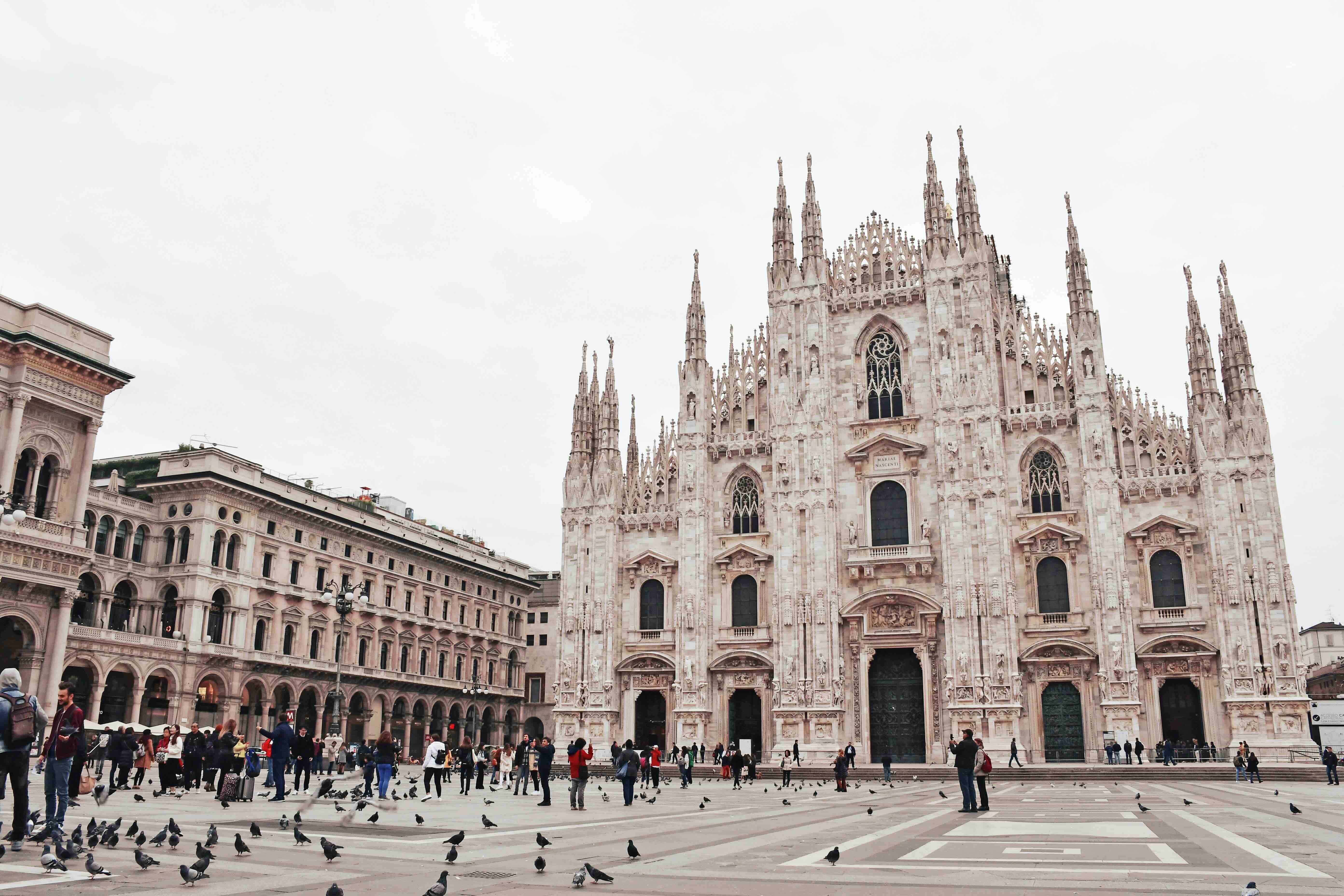
Brussels → Milan
~17-18h · European Sleeper
Overnight over the Alps: the Brussels to Milan sleeper
View Route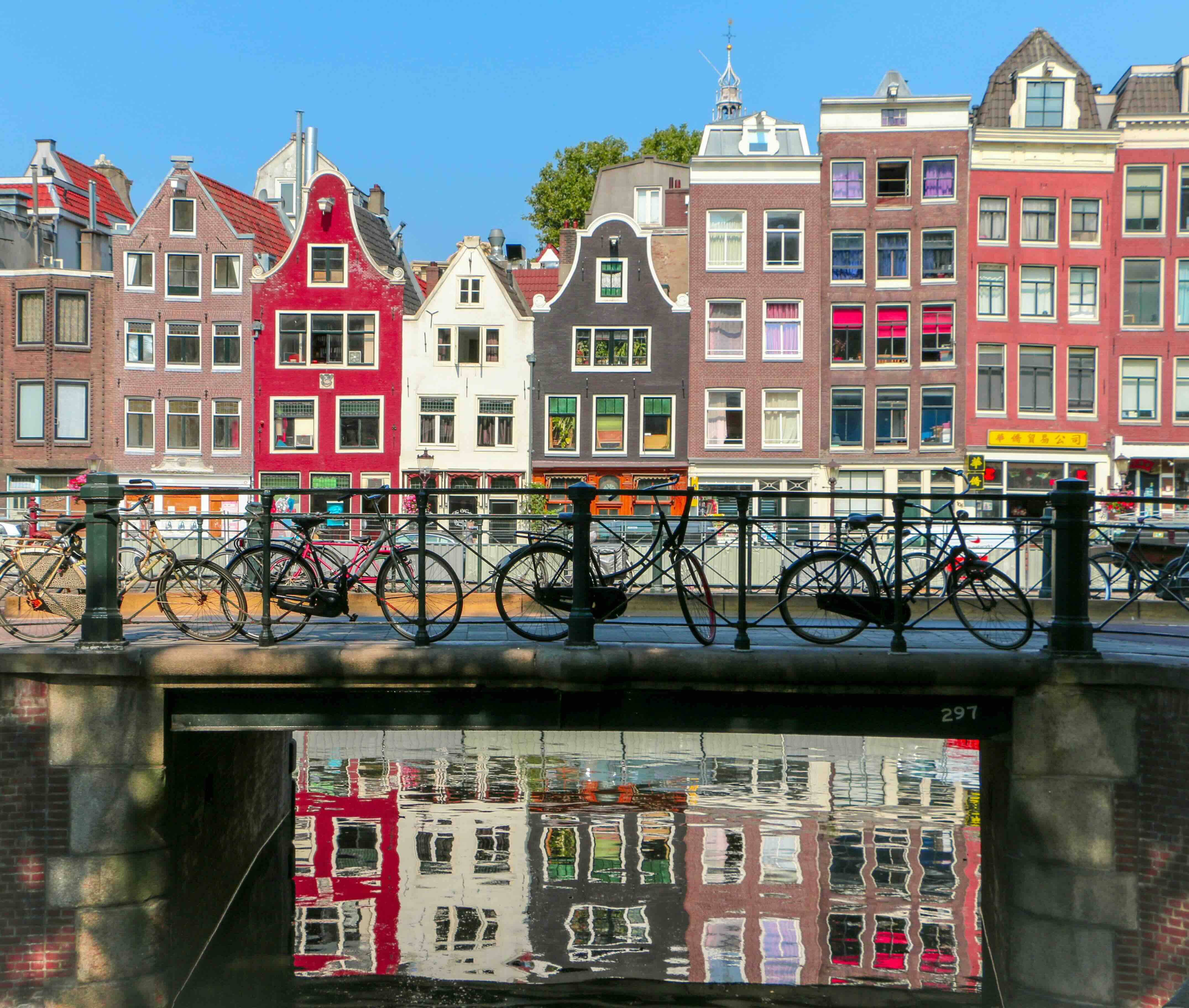
Brussels → Amsterdam
~1h 52m · Eurostar · EuroCity Direct
The other Brussels corridor: north to Amsterdam
View Route
Interrail and the Swiss Travel Pass — when a pass beats point-to-point tickets and when it does not.
When reservation is mandatory, which side of the train has the views, and how to choose your class.
Brussels to Cologne is the effortless way into Germany: under two hours on a walk-up ICE, Calatrava's station and Charlemagne's city en route, and the Dom waiting at the door when you arrive. Compare DB and SNCB fares, skip the reservation unless it's a busy Friday, and treat Cologne as the gateway it is - Frankfurt, the Rhine castles and the rest of Germany start at the far end of the platform.