Paris to Brussels
Two Capitals, Eighty-Two Minutes
This is the fastest and easiest way to travel between France and Belgium: a direct Eurostar from Paris Gare du Nord to Brussels-Midi in about 1 hour 22 minutes, city centre to city centre, at up to 300 km/h. No airport transfers, no check-in queues, no baggage carousel - you walk into one capital's grandest station and walk out in the other before a flight would have finished boarding.
Direct trains run many times a day - typically around hourly - on what was Europe's original international high-speed corridor, opened by Thalys in the 1990s and now part of Eurostar. It works equally well as a business shuttle, a weekend city-break hop, or the first leg of a longer journey: from Brussels-Midi, the same station puts you on trains to Bruges, Ghent, Antwerp, Amsterdam, Cologne and London.
Why nobody sensible flies this route: Paris CDG and Brussels Airport both sit well outside their cities - the transfers alone take longer than the entire train journey. The train wins on time, price predictability and comfort, which is why the air route has all but disappeared.
Ready to book Paris to Brussels?
Eurostar is reservation-only: every ticket includes an assigned seat, and fares rise as trains fill, so booking ahead matters more than on domestic trains. Three classes run on most services - Standard, Plus (more space, light meal) and Premier (widest seats, dining) - and popular Friday and Sunday evening departures sell out first. Interrail passes are accepted with a compulsory paid pass-holder reservation, limited per train.
Railero may earn a small commission if you book via the link above, at no extra cost to you.
Paris Gare du Nord - Departure from Europe's Busiest Station
Paris Gare du Nord, France · 48.881°N, 2.355°E
Gare du Nord is the grand old gateway of northern Europe - a colonnaded 1860s facade crowned with statues representing the destinations its trains once served, Brussels among them. Brussels Eurostars depart from the main-line platforms under the great trainshed, not from the sealed upstairs terminal used by London trains: for Brussels there is no UK-style check-in, just ticket gates at the platform entrance. Scan your barcode, find your coach, and you are aboard.
Eurostar suggests arriving around 20 minutes before departure - enough for the gates and a coffee from the concourse. The station is on metro lines 4 and 5 and RER B and D, with Gare de l'Est a five-minute walk away if you are connecting from eastern France or Germany.
Paris–Brussels - Journey Facts
- RouteParis Gare du Nord → Brussels-Midi / Brussel-Zuid
- OperatorEurostar (the former Thalys service)
- Journey timeAbout 1h 22m direct - check current schedules
- FrequencyMany direct trains daily, typically around hourly
- BorderSchengen - no passport queues; carry ID for spot checks
- ReservationsCompulsory - every ticket includes an assigned seat
Onto the LGV Nord - 300 km/h Across Picardy
The LGV Nord through Picardy · up to 300 km/h
Within minutes of Gare du Nord the train threads the northern suburbs and joins the LGV Nord, the high-speed line that carries every London Eurostar and Lille TGV out of Paris. The speed builds quickly - cruising at up to 300 km/h - and the scenery settles into the wide, open farmland of Picardy: sugar-beet fields, poplar windbreaks and enormous skies, with the occasional wind farm turning on the horizon.
It is quietly historic country. The line crosses the Somme west of Saint-Quentin, and many of the names on the road signs - Arras, Albert, Péronne - are familiar from the First World War. The train does not stop (the lonely mid-field TGV Haute-Picardie station flashes past in a second), but it is worth knowing what you are crossing at five kilometres a minute.
Paris to the Belgian border is barely an hour of rolling farmland - the fastest history lesson in Europe.
Past Lille and Into Belgium Without Slowing Down
Fretin junction & the Belgian border · 50.52°N, 3.09°E
South-east of Lille, at Fretin junction, the routes divide: London trains carry on toward the Channel Tunnel while your train swings east onto the Belgian high-speed line, HSL 1. Somewhere in the fields near Esplechin, France becomes Belgium - there is no announcement, no slowing, no checkpoint. The first hint is usually your phone changing network.
Both countries are in the Schengen area, so there is no systematic passport control in either direction - one of the quiet luxuries of this route compared with Eurostar's London services. Police and customs officers do occasionally walk the train, so keep your passport or ID card reachable rather than buried in the rack. The Belgian leg runs the high-speed line across the rolling Hainaut countryside before slotting into the classic network at Halle for the final approach to Brussels.
Worth Knowing
Brussels-Midi / Brussel-Zuid - Arrival in the Belgian Capital
Brussels-Midi / Brussel-Zuid, Belgium · 50.836°N, 4.336°E
Brussels-Midi - Brussel-Zuid in Dutch, the same station wearing the city's two languages - is Belgium's biggest station and its international crossroads. Arrival could not be simpler: you step off the train onto an ordinary platform, walk down the ramp and out. No border desks, no baggage reclaim, no formalities of any kind.
The Grand-Place and the historic centre are about ten minutes away: any of the frequent mainline trains hops to Brussels-Central in a few minutes, or take metro line 2/6 towards the centre, or simply walk it in around twenty-five minutes. And Midi is a launchpad as much as a destination - Belgium's intercity network fans out from here, with frequent direct trains to Bruges, Ghent and Antwerp, typically in the thirty-minutes-to-an-hour range.
From Brussels-Midi
Reservations, Classes and Rail Passes
How ticketing works on a reservation-only train
Eurostar works like an airline in one respect: every passenger has a booked seat on a specific train, and there is no such thing as turning up with an open ticket and boarding the next departure. Book ahead - the cheapest fares appear when sales open and climb as each train fills, with Friday and Sunday evenings the first to sell out. Standard covers most needs on an 82-minute hop; Plus adds space and a light meal; Premier is the business-class product with lounge access in both stations.
Interrail passes are accepted, with the usual high-speed caveat: a compulsory paid pass-holder reservation, bookable through the pass operators' channels, with only a limited quota of pass-holder seats per train. On a corridor this frequent that quota is usually manageable, but reserve early in summer and around holidays. If the direct trains are full or the reservation feels poor value, itineraries with a change at Lille onto a TGV or local train are a slower but workable fallback.
Quick Rules
Normal tickets: book ahead, seat assigned automatically, ticket tied to a specific departure.
Pass holders: paid reservation required, limited seats per train - book as early as you can.
Flexibility: Standard and Plus fares can typically be exchanged up to shortly before departure - check current conditions when booking.
Security, Boarding and What Makes This Route Easy
Boarding at Gare du Nord and Brussels-Midi
If you have taken Eurostar to London, forget most of what you learned: that route involves UK border control and airport-style screening, with arrival recommended up to an hour ahead. Paris–Brussels has none of it. Boarding works like a domestic French TGV - ticket gates at the platform, a barcode scan, and aboard. Eurostar's own guidance is to arrive about 20 minutes before departure, and even that is generous once you know the station.
Luggage is refreshingly civilised too: two sizeable items plus hand luggage, no weight limit and nothing to check in - you wheel it aboard and stack it on the racks at the coach ends or overhead. Bikes and outsized items have their own rules, so check Eurostar's current policy for anything unusual. Carry your passport or national ID card: Schengen removes the queues, not the occasional onboard spot check.
Boarding Checklist
- Arrive ~20 minutes before departure - the gates close shortly before the train leaves.
- No systematic security or passport control - but keep ID reachable for spot checks.
- Two bags plus hand luggage, carried aboard yourself - no check-in, no weight limit.
- Check the departure board for your platform - Brussels trains use the main trainshed at Gare du Nord, not the London terminal.
Hotels in Brussels
Brussels rewards staying central - the Grand-Place quarter puts the guildhalls, the Galeries Royales and most of the city's restaurants within a short walk, with Midi a quick train or metro hop away.
Brussels - beside the Grand-Place
The city's classic luxury address, a Rocco Forte hotel one street from the Grand-Place - Flemish art, deep comfort and the old town on the doorstep.
Brussels - at Brussels-Midi station
Built into the station itself - step off the Eurostar and be at reception in minutes. The practical pick for early departures and onward connections.
Brussels - by the Galeries Royales Saint-Hubert
A stylish boutique hotel above Europe's oldest shopping arcade, minutes from the Grand-Place - mid-range rates with real design character.
Hotel links open Booking.com. Railero may earn a commission on bookings at no extra cost to you.
Frequently Asked Questions
- How long does the train from Paris to Brussels take?
- Direct Eurostar trains typically make the journey in about 1 hour 22 minutes, from Paris Gare du Nord to Brussels-Midi - city centre to city centre. Exact times vary slightly by service, so check current schedules when you book.
- Are there direct trains between Paris and Brussels?
- Yes - Eurostar (which absorbed the former Thalys service) runs direct high-speed trains between Paris Gare du Nord and Brussels-Midi many times a day, typically around hourly through the day. Check the current timetable for exact departures.
- Do I need a seat reservation for the Paris to Brussels train?
- Yes - Eurostar is reservation-only. Every ticket includes an assigned seat, and you cannot board with an open ticket the way you can on many domestic trains. Book in advance for the best fares, as prices rise as the train fills.
- Can I use an Interrail pass between Paris and Brussels?
- Rail passes are accepted on Eurostar, but you must book a paid pass-holder seat reservation before boarding, and only a limited number of pass-holder seats are available per train - reserve as early as you can, especially in summer and around holidays.
- Is there security or passport control between Paris and Brussels?
- Both France and Belgium are in the Schengen area, so there is no systematic passport control on this route - boarding is much simpler than on Eurostar services to London. Eurostar suggests arriving around 20 minutes before departure for ticket-gate checks; carry your passport or ID card for occasional spot checks.
- How much luggage can I take on the Paris to Brussels train?
- Eurostar allows two items of luggage (up to roughly 75 × 53 × 30 cm each) plus one item of hand luggage on its continental routes, with no weight limit - you carry bags on board yourself and store them on the racks. Check Eurostar’s current luggage rules before travelling.
Not sure if you need to reserve a seat?
Check this journey in Railero’s Seat Reservation Checker.
Continue Your Journey
Routes that pair naturally with this one — for building your European itinerary.
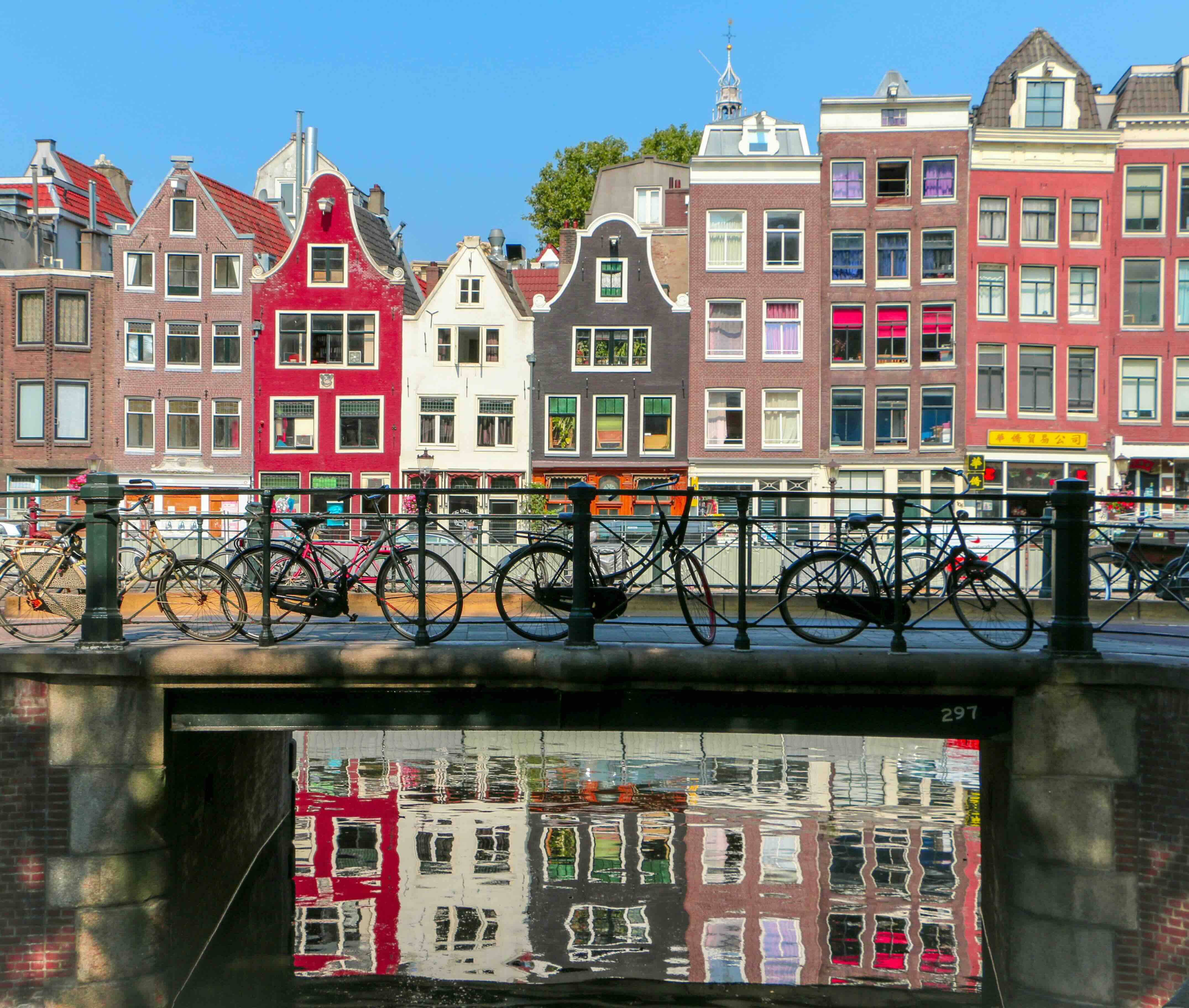
Brussels → Amsterdam
~1h 52m · Eurostar · EuroCity Direct
Continue north: Brussels to Amsterdam in detail
View Route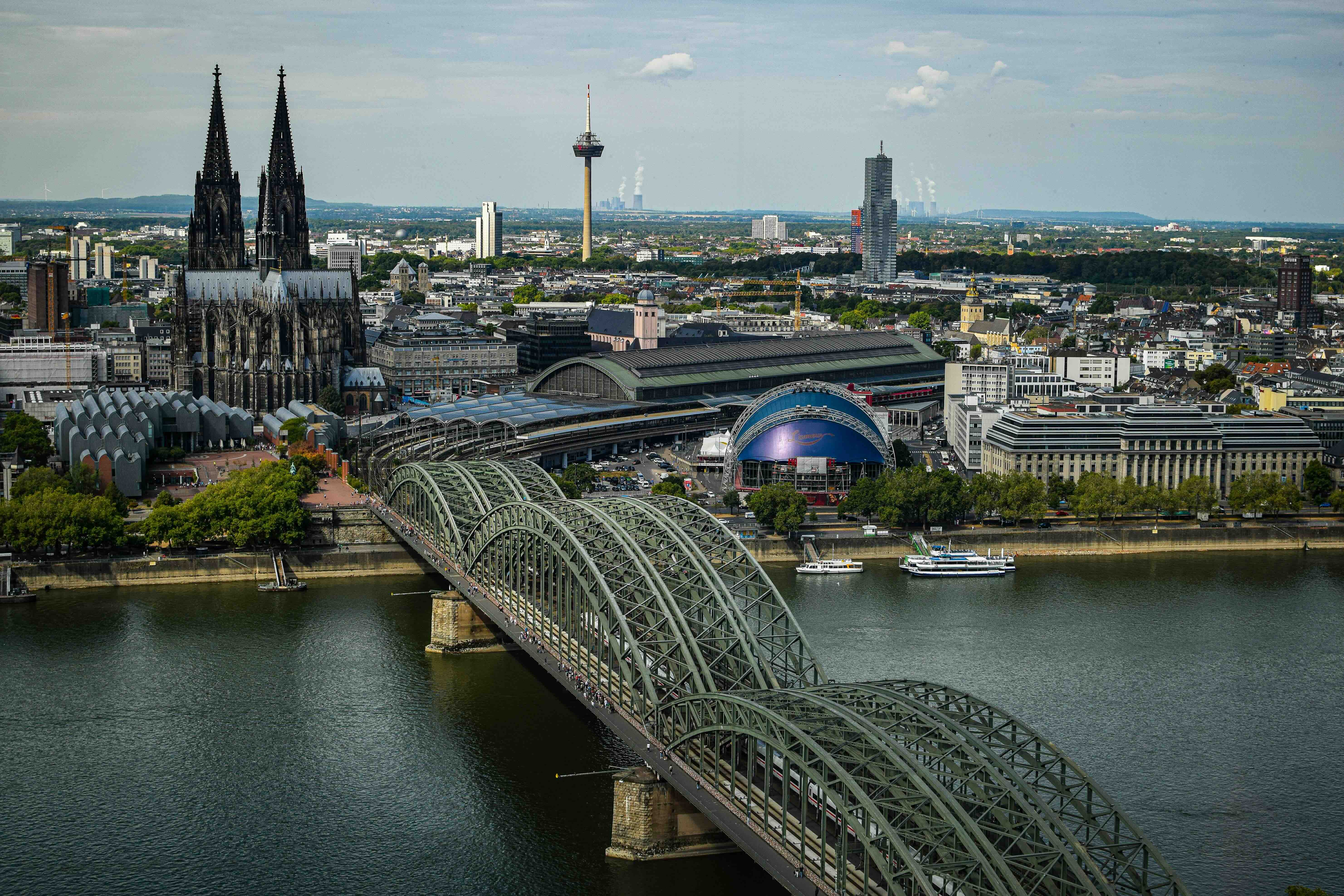
Brussels → Cologne
~1h 47m · ICE International (DB/SNCB)
Or continue east: Brussels to Cologne by ICE
View RouteParis to Brussels is European rail at its most persuasive: two capitals joined in the time it takes to watch half a film, with none of the friction that makes short-haul flying miserable. Book ahead for the best fares, arrive twenty minutes early, and consider making Brussels a beginning rather than an end - Bruges, Ghent, Antwerp, Amsterdam and Cologne are all one easy train away from the same station.