Prague to Vienna by Train
From Bohemia to the Imperial Capital
Prague to Vienna is one of central Europe's most rewarding international rail journeys: around four hours from the spires of the Czech capital to the grand boulevards of Vienna, city centre to city centre, on comfortable direct trains that cross Bohemia and Moravia and slip over the border into Austria. It is an easy, civilised way to travel between two of Europe's great historic capitals - no airport, no transfer, just a seat by the window and a quietly changing landscape.
The journey has a clear shape. You leave Praha hlavní nádraží and run south-east across the rolling farmland of Bohemia, through Brno, the lively capital of Moravia, and down through the vineyards of South Moravia to the border at Břeclav. Both countries are in the Schengen area, so the crossing passes almost unnoticed; then the line runs on through the wine country of Lower Austria and into Wien Hauptbahnhof, a short ride from the heart of imperial Vienna. This guide covers the whole trip - Railjet or RegioJet, seats, passes, luggage, bikes, the border, and how to reach the city centre when you arrive.
Why the train wins here: City centre to city centre in about four hours, against a short flight that needs two out-of-town airports and their transfers. The train drops you at Wien Hauptbahnhof, a few U-Bahn minutes from St Stephen's Cathedral, and it runs direct - no change, no border queues, just a comfortable ride between two capitals.
Ready to book Prague to Vienna?
Two operators run this corridor, both direct from Praha hlavní nádraží to Wien Hauptbahnhof via Brno. The ČD/ÖBB Railjet is the joint flagship, up to around nine times a day, with Economy, First and Business classes, a dining car and optional reservations. RegioJet is the private operator with frequent departures, tiered classes, included refreshments and compulsory seat reservations. Interrail is accepted on both - reservation-free on the Railjet, with a compulsory paid seat reservation on RegioJet. Book ahead for the best fares.
Railero may earn a small commission if you book via the link above, at no extra cost to you.
Leaving Praha hlavní nádraží
Praha hlavní nádraží, Czech Republic · 50.083°N, 14.435°E
The journey begins at Praha hlavní nádraží, Prague's grand main station - a handsome building with an Art Nouveau hall by Josef Fanta, right in the centre of the city and directly on metro line C, so it is quick to reach from anywhere. It is the hub of Czech international rail, and both the Railjet and RegioJet to Vienna leave from here. Boarding is relaxed: there is no airport-style check-in, so arrive 15 to 20 minutes ahead, watch the boards for your platform and find your coach.
Pulling out of Prague, the train heads south-east and the city gives way quickly to open country. This is the start of a steady, comfortable run rather than a dramatic one - the appeal is the ease of it, settling in with a coffee as the Bohemian countryside begins to roll past the window and the journey between the two capitals gets under way.
Prague–Vienna - Journey Facts
- RoutePraha hlavní nádraží → Wien Hauptbahnhof, via Brno and Břeclav
- OperatorsČD/ÖBB Railjet (joint) and RegioJet (private)
- Journey timeAbout 4 hours - Railjet from around 3h 57m; RegioJet roughly 4h 15m
- DistanceAbout 400 km across the Czech Republic and into Austria
- FrequencyUp to around nine Railjet daily plus frequent RegioJet - timetable-dependent
- ReservationsOptional on Railjet; compulsory on RegioJet
Across Bohemia to Brno
Brno · 49.191°N, 16.613°E
The first half of the journey crosses Bohemia and into Moravia. The line runs through gently rolling farmland - fields, woods, ponds and small towns with their church towers - calling at Pardubice, the old horse-country town on the Elbe, and Česká Třebová before threading the low hills that divide the two historic lands. It is quiet, pastoral country rather than dramatic scenery, and it slips by comfortably at speed.
Brno, roughly the midpoint, is the capital of Moravia and the Czech Republic's second city - a lively university town with a handsome centre, the Spilberk castle on its hill and a strong cafe culture, and a worthwhile stop in its own right. Almost every fast train calls here, and it is the junction where routes fan out across Moravia and toward Slovakia. Beyond Brno the character of the land begins to change as the train turns south toward the border and the vineyards.
This has been a road between Prague and Vienna for centuries; the modern Railjet simply makes the crossing between the two capitals in an afternoon.
South Moravia and the Schengen Border
Břeclav · 48.759°N, 16.888°E
South of Brno the train runs down through South Moravia, the warmest and greenest corner of the Czech Republic and its wine country - a landscape of low vine-covered hills, orchards and villages that feels a world away from the Bohemian plains. The last Czech town is Břeclav, an important railway junction close to the point where the Czech, Austrian and Slovak borders meet, set among the vineyards and the wetland forests along the Dyje and Morava rivers.
Here the train crosses from the Czech Republic into Austria, and in practice you would hardly notice. Both countries are in the Schengen area, so there are normally no passport controls and the train does not stop at the border for checks - the clearest sign of the crossing is the switch in station signs and the language of the announcements. It is worth knowing, though, that temporary checks can occasionally be introduced on this corridor, so carry a valid passport or national ID card and keep it reachable, just in case.
Worth Knowing
Into Lower Austria and the Weinviertel
The Weinviertel · 48.342°N, 16.726°E
Across the border the line runs down through the Weinviertel - literally the "wine quarter" - the gently rolling wine country that fills the north-east corner of Lower Austria. It is open, agricultural country of vineyards, cellars and small market towns, the kind of quiet, comfortable landscape that makes for easy travelling as the journey enters its final stage. The train calls at Gänserndorf and runs on across the Marchfeld plain toward the capital.
As Vienna approaches, the country gives way to suburbs and the railway threads in toward the city, crossing the Danube's side channels and joining the busy approaches to the Hauptbahnhof. After the long, calm run down from Prague, the arrival into one of Europe's great capitals feels like a fitting finish - and Wien Hauptbahnhof puts the whole city within easy reach.
Arriving at Wien Hauptbahnhof
Wien Hauptbahnhof, Austria · 48.185°N, 16.378°E
Wien Hauptbahnhof is Vienna's main station, a bright modern hub opened in 2015 just south of the historic centre, and one of the best-connected stations in central Europe. It is fully equipped and step-free, and it makes arriving easy: U-Bahn line U1 runs directly beneath it into the heart of the city, trams and S-Bahn lines stop outside, and there are direct trains to Vienna Airport. Whatever you are doing in Vienna, the Hauptbahnhof is a simple place to start.
The city opens up quickly from here. The Belvedere Palace and its gardens are only about a 10 minute walk from the station; the U1 carries you in a few minutes to Stephansplatz, in the middle of the old city beneath the great spire of St Stephen's Cathedral; and the grand Ringstrasse, with the opera, the museums and the Hofburg, circles the historic core a short ride or a 20 to 25 minute walk away. Vienna is a city built for walking once you are inside the Ring, and the tram and U-Bahn network handles everything else.
From Wien Hauptbahnhof
Railjet or RegioJet - How to Choose
Two operators on the same corridor
This corridor is served by two good operators, both direct between the main stations. The ČD/ÖBB Railjet is the joint flagship of Czech Railways and the Austrian national operator: a modern, quiet train with Economy, First and Business classes, a dining car, wifi and optional reservations, running up to around nine times a day. RegioJet is the well-known private operator, running frequent trains with its own distinctive style - tiered classes from low-cost to Business, included refreshments and at-seat service, and compulsory seat reservations. Journey times are close, so the choice is less about speed than about frequency, class and the onboard experience you want.
Railjet may suit you if you want a national-operator train with a dining car, an optional (not compulsory) reservation, or a straightforward onward ÖBB connection in Vienna. RegioJet may suit you if you like its cabins and included refreshments, or its timetable lands better for your day. For pass holders, both accept Interrail - but note the reservation difference: none required on the Railjet, compulsory and paid on RegioJet. Neither is universally better; pick on your timetable, your budget and your taste.
ČD/ÖBB Railjet vs RegioJet
- OperatorRailjet: ČD/ÖBB joint, national · RegioJet: private
- FrequencyRailjet: up to ~9 daily · RegioJet: frequent
- ClassesRailjet: Economy / First / Business · RegioJet: low-cost to Business tiers
- ReservationsRailjet: optional · RegioJet: compulsory, assigned seat
- OnboardRailjet: dining car, quiet zones · RegioJet: included refreshments, at-seat service
- Rail passesInterrail on both · Railjet reservation-free · RegioJet needs a paid reservation
Is the Journey Scenic?
An honest look at the window
It is honest to set expectations here: Prague to Vienna is a comfortable international corridor rather than a scenic railway. This is not an Alpine route - there are no mountains or river gorges - but a steady run across gently rolling country. What you get through the window is a quietly changing landscape: the farmland, woods and small towns of Bohemia, the city of Brno, and then the vineyards of South Moravia and the Weinviertel in Lower Austria, greener and warmer as you head south.
The pleasure is in the ease and the sense of crossing from one country and one great capital to another, not in dramatic views, and there is no strongly preferred side of the train - the countryside is much the same to left and right. Travel by daylight if you can, enjoy the gentle scenery of the wine country in the second half, and treat the journey as a relaxed, civilised way to travel rather than a sightseeing ride in itself.
Onward Travel from Vienna
One of Europe's great rail hubs
Vienna is one of the most important railway hubs in Europe - the historic meeting point of routes between west and east, north and south, and the centre of the Austrian network. From Wien Hauptbahnhof, where you arrive, frequent trains fan out across Austria and the continent, which makes carrying on simple. Most onward services leave from the same Hauptbahnhof, so connections are easy, though it is worth checking whether an international train needs a reservation.
Onward from Vienna
- BratislavaFrequent trains east, around 1 hour - one of the closest capital-to-capital hops in Europe
- SalzburgRailjet and WESTbahn west, around 2h 25m
- BudapestRailjet and RegioJet east, around 2h 20m
- GrazFast trains south over the Semmering, around 2h 30m
- MunichRailjet west via Salzburg, around 4h
- InnsbruckRailjet west across Austria, around 4h 15m
Reach Vienna and central Europe opens up: Bratislava and Budapest to the east, Salzburg and Innsbruck to the west, and the Alps and Italy beyond.
Reservations, Passes, Luggage, Bikes and Access
The practical rules for the Prague–Vienna line
Reservations depend on the operator. On the ČD/ÖBB Railjet a seat reservation is optional - worth adding on busy weekends and holidays, but not required to travel. On RegioJet a reservation is compulsory, and every ticket comes with an assigned seat. For pass holders, Interrail is accepted on both: no reservation needed on the Railjet, while RegioJet requires a compulsory paid seat reservation even with a pass, bookable online, at the station or from the onboard crew. For the wider picture, see the rail passes and seat reservations guides linked below.
Luggage is easy on both: there is no strict weight limit for normal bags - you carry them aboard yourself and use the overhead shelves and the larger racks near the doors - so board a few minutes early on busy departures and keep valuables with you. Bikes need more planning: a full bicycle needs a bike ticket and a reservation for one of the limited spaces on both operators, while a folded or bagged bike travels as luggage. On the border, remember that both countries are in Schengen, so there are normally no passport checks, but carry valid ID in case of occasional temporary controls.
On accessibility, both Praha hlavní nádraží and Wien Hauptbahnhof are large, well-equipped stations with lifts and step-free routes to the platforms, and the Railjet and RegioJet trains have accessible spaces and toilets. Even so, do not assume every train and platform is equally straightforward - for guaranteed boarding help, ČD, ÖBB and RegioJet all offer assistance that should be booked in advance. Accessibility depends on the specific train, platform and station, so arranging help ahead is the reliable approach.
Quick Tips
Compare the two operators: Railjet for a national-operator train with optional reservations, RegioJet for its cabins and included refreshments - check both timetables.
Carry your ID: the Schengen border is normally seamless, but keep a passport or national ID reachable in case of occasional checks.
Passes work on both: Interrail is valid on Railjet (no reservation) and RegioJet (compulsory paid reservation).
Hotels in Vienna
Vienna rewards staying inside or near the Ringstrasse - close to Stephansplatz, the old city and the great museums, an easy U-Bahn ride on the U1 from Wien Hauptbahnhof.
Vienna - by the Opera and the Ring
The legendary Viennese institution behind the State Opera, home of the original Sachertorte - the city's most famous address, in the heart of the old town a short walk from Stephansplatz.
Vienna - near the Ring and Belvedere
A polished, well-run design hotel near the Konzerthaus and the Stadtpark, between the Ringstrasse and the Belvedere and a few U-Bahn minutes from the Hauptbahnhof - central and convenient.
Vienna - at the main station
A dependable, stylish, fairly priced hotel right at Wien Hauptbahnhof - the easiest possible base for the trains, with the U1 into the centre from the door and the Belvedere a short walk away.
Hotel links open Booking.com. Railero may earn a commission on bookings at no extra cost to you.
Frequently Asked Questions
- How long is the train from Prague to Vienna?
- The fastest direct trains take around 4 hours - Railjet services do it in about 3 hours 57 minutes to 4 hours 5 minutes, while RegioJet takes a little longer at roughly 4 hours 15 minutes with a few more stops. It is about 400 km between the two capitals via Brno. Exact times vary by service, so check the current schedule when you book.
- Are there direct trains from Prague to Vienna?
- Yes, several a day. ÖBB and Czech Railways (ČD) run joint Railjet trains direct from Praha hlavní nádraží to Wien Hauptbahnhof via Brno, and the private operator RegioJet runs frequent direct trains on the same corridor. No change of train is needed in either direction; the fast trains stop only at a few stations such as Pardubice, Brno and Břeclav.
- Which station do Prague to Vienna trains use?
- Both operators run between the two main stations: Praha hlavní nádraží, Prague's central station, and Wien Hauptbahnhof, Vienna's main station. Praha hlavní nádraží sits on metro line C in the centre of Prague, and Wien Hauptbahnhof is on U-Bahn line U1 - so both ends are easy to reach and easy to leave.
- Is it Railjet or RegioJet - and which is better?
- Neither is universally better. The ČD/ÖBB Railjet is the joint flagship, with Economy, First and Business classes, a dining car and optional reservations, running up to around nine times a day. RegioJet is the private operator, known for its tiered classes from low-cost to Business, its included refreshments and at-seat service, and its compulsory seat reservations. Both are direct and comfortable, so choose on your timetable, the class and the onboard style you prefer.
- Do I need a seat reservation?
- It depends on the operator. On the ČD/ÖBB Railjet a seat reservation is optional - worth adding on busy weekends and holidays, but not required to travel. On RegioJet a reservation is compulsory: every ticket comes with a specific assigned seat. If you are travelling on a rail pass you can still use either, but RegioJet needs a paid seat reservation first.
- Can I use an Interrail pass?
- Yes - Interrail is accepted on both the Railjet and RegioJet on this route. On the Railjet no reservation is required, though one is available and advisable at busy times. On RegioJet a compulsory paid seat reservation is needed even with a pass, bookable online, at the station or from the onboard crew. It is a straightforward, pass-friendly corridor either way.
- Are there border checks between the Czech Republic and Austria?
- Normally no. Both countries are in the Schengen Area, so there are usually no routine passport controls and the train does not stop at the border for checks - the clearest sign you have crossed near Břeclav is the change in station signs and language. That said, temporary checks can occasionally be introduced, so always carry a valid passport or national ID card and keep it reachable.
- Can I take luggage or a bicycle?
- Luggage is easy: there is no strict weight limit on either operator, and you carry your bags aboard and use the overhead shelves and the larger racks near the doors - board a few minutes early on busy departures to find space. Bikes need more planning: a full bicycle needs a bike ticket and a reservation for one of the limited spaces on both Railjet and RegioJet, while a folded or bagged bike travels as luggage. Check the operator's current bike policy before you travel.
- Is the Prague to Vienna train scenic?
- It is pleasant rather than dramatic. This is an international intercity corridor across gently rolling country - the farmland and small towns of Bohemia, the city of Brno, and the vineyards of South Moravia and the Weinviertel in Lower Austria - rather than a mountain or river-gorge route. The appeal is comfortable, fast city-centre to city-centre travel between two great capitals, with a quietly changing landscape through the window. There is no strongly preferred side for views.
- How do I get from Wien Hauptbahnhof into central Vienna?
- Quickly. Wien Hauptbahnhof is on U-Bahn line U1, which runs into the historic centre - Stephansplatz, by St Stephen's Cathedral, is only a few stops away. The Belvedere Palace is about a 10 minute walk from the station, trams and S-Bahn lines stop outside, and there are direct trains to Vienna Airport. The old city inside the Ringstrasse is a short U-Bahn ride or a walk of around 20 to 25 minutes.
- Can I continue deeper into Austria or beyond from Vienna?
- Yes - Vienna is one of Europe's great rail hubs. From Wien Hauptbahnhof frequent trains run west to Salzburg and Innsbruck, east to Budapest, north to Bratislava, south to Graz, and on to Munich and across the continent. Most leave from the same Hauptbahnhof you arrive at, which makes onward connections simple, though it is worth checking whether an international onward train needs a reservation.
Continue Your Journey
Routes that pair naturally with this one — for building your European itinerary.
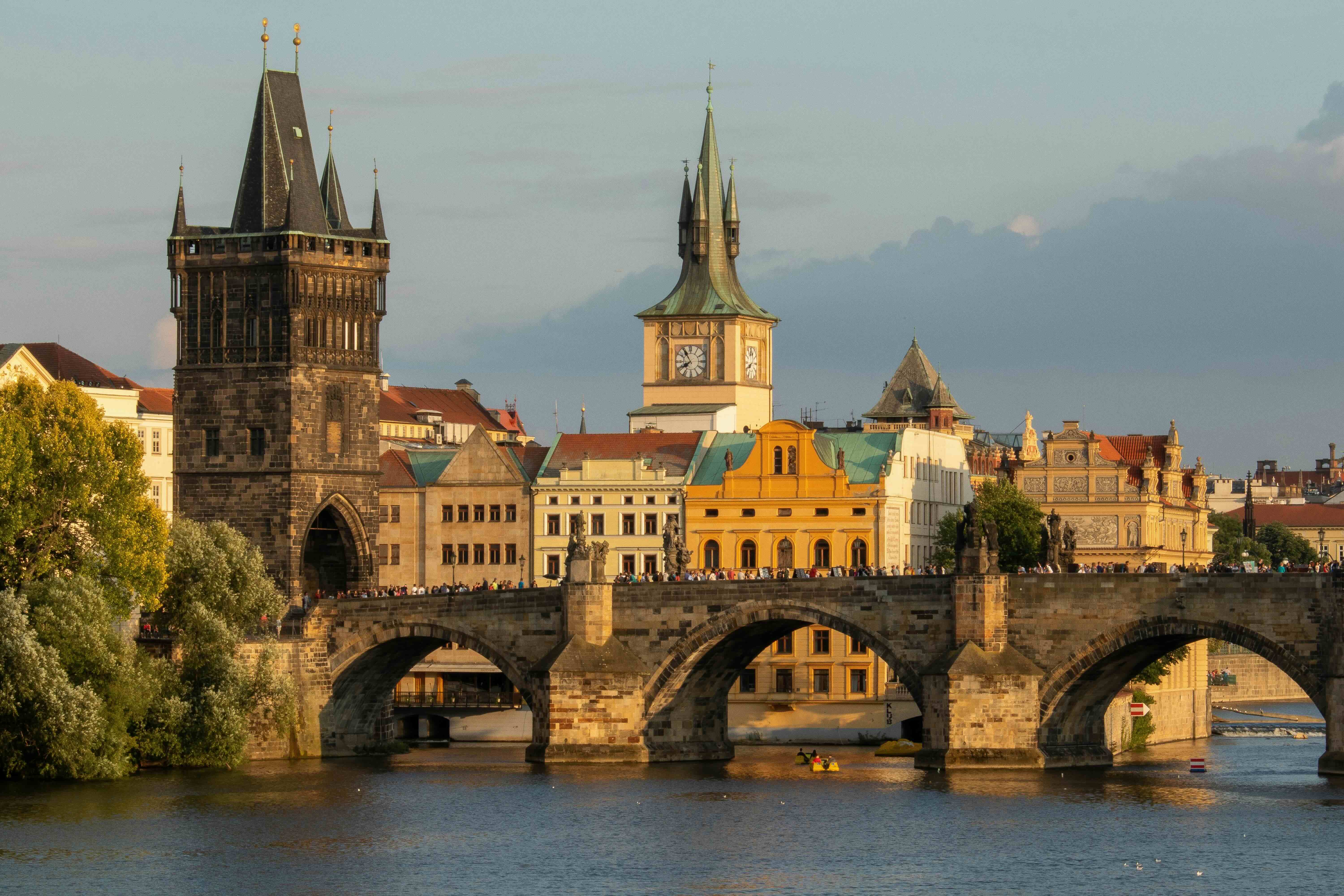
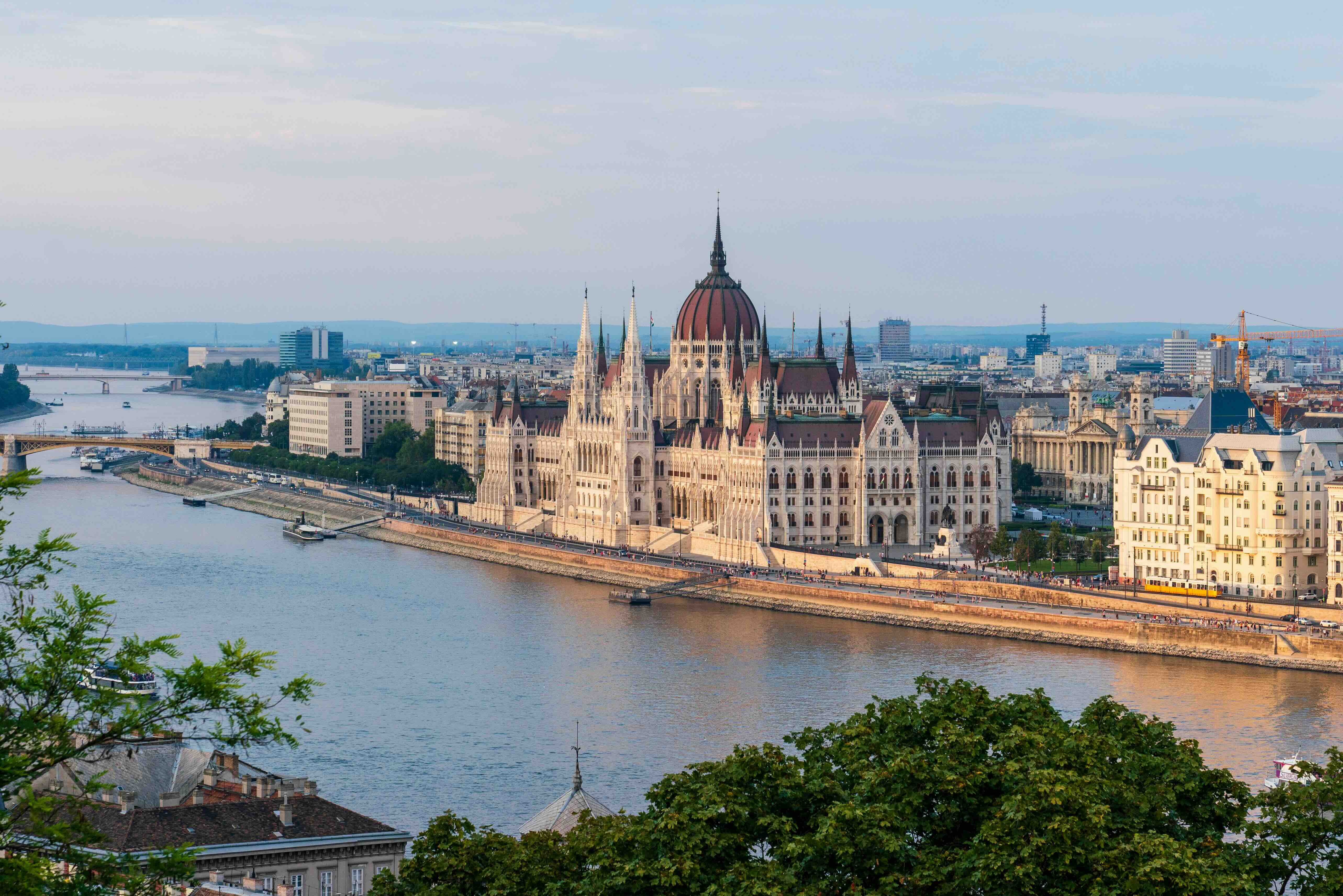
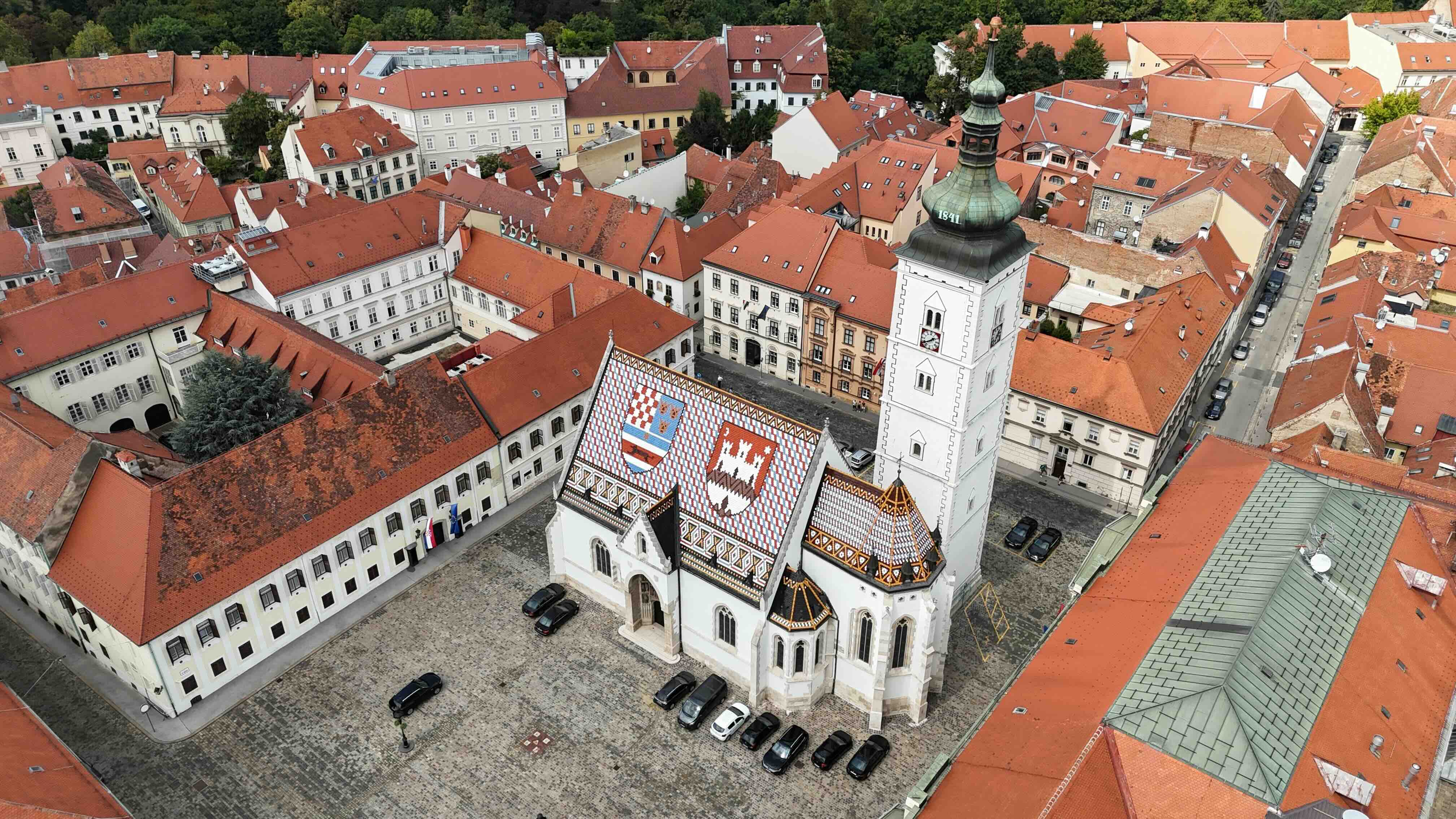
Vienna → Zagreb
~6h 30m · EuroCity (ÖBB · SŽ · HŽPP)
Or continue south from Vienna to Zagreb
View RouteInterrail and the Swiss Travel Pass — when a pass beats point-to-point tickets and when it does not.
When reservation is mandatory, which side of the train has the views, and how to choose your class.
Prague to Vienna is the easy, civilised way between two of Europe's great capitals: around four hours by direct Railjet or RegioJet, city centre to city centre, across Bohemia and Moravia and over a border you will barely notice. Compare the two operators on your timetable and your taste, remember a rail pass works on both, and treat Vienna as a beginning - Bratislava, Budapest, Salzburg and the Alps all lead onward from where you arrive.
Back to all routes