Vienna to Ljubljana by Train
The Direct EuroCity Emona
Vienna to Ljubljana is a direct rail journey across two Alpine countries: around six hours south from the Austrian capital, over the UNESCO-listed Semmering railway to Graz, across the border to Maribor and down through Celje and the Sava valley to Ljubljana, with no change of train. It is the daily EuroCity Emona, and it carries Railero's Central European network south-west into Slovenia.
There is one thing worth understanding before you book, because the 2026 Austrian timetable was reorganised around the new Koralmbahn. The single direct Vienna to Ljubljana train, the EuroCity Emona, still runs the classic route via Graz and Maribor. The Koralmbahn, the fast new line between Graz and Klagenfurt, sped up the separate Vienna to Villach corridor toward Trieste and Venice, and you can also reach Ljubljana that way, but only with a change. This guide covers the direct Emona and the Villach alternative, the Semmering crossing, reservations and passes, and the major rebuilding works now under way at Ljubljana station.
One direct train, and a faster corridor that needs a change: The direct EuroCity Emona runs via Graz and Maribor in around six hours. The Koralmbahn has sped up the Vienna to Villach line, but reaching Ljubljana that way means changing trains, so compare current schedules.
Ready to book Vienna to Ljubljana?
The direct train is the daily EuroCity Emona, leaving Wien Hauptbahnhof and running via Graz and Maribor to Ljubljana in around six hours, a joint ÖBB and SŽ service that continues to Trieste. For a journey from Vienna the simplest channel is ÖBB (oebb.at), which sells the whole run on one ticket; SŽ sells it too. Booking opens months ahead; book early for the cheapest advance fares. A seat reservation is optional, so a valid ticket is enough to board, and Interrail is accepted with no compulsory reservation.
Railero may earn a small commission if you book via the link above, at no extra cost to you.
Departing Wien Hauptbahnhof
Wien Hauptbahnhof, Austria · 48.185°N, 16.377°E
The journey begins at Wien Hauptbahnhof, Vienna's main station and the hub of Austrian and Central European rail travel, a large, modern, fully equipped station just south of the centre. It is easy to reach on the U1 metro line, the S-Bahn and the trams, and it is largely step-free with the usual shops, left luggage and services. The direct train to Ljubljana, the EuroCity Emona, is a single daily departure that continues to Trieste, so the thing to get right is the departure time; check the boards and your ticket.
Boarding is relaxed, as it is across the region: there is no airport-style check-in, so arrive 10 to 15 minutes ahead, check the boards for your platform and coach, and step aboard. A seat reservation is optional on this train, so with a valid ticket or a rail pass you can simply take a seat. The train pulls out south, and within the hour it is climbing into the mountains on the Semmering.
Vienna–Ljubljana - Journey Facts
- Direct routeWien Hauptbahnhof → Ljubljana, via Graz, Maribor and Celje
- TrainEuroCity Emona, direct via Graz and Maribor, on to Trieste
- OperatorsJoint ÖBB and SŽ (Slovenske železnice) service
- Journey timeAround 6 hours direct - check current schedules
- FrequencyOne direct train each way per day; more via a change at Villach
- ReservationsOptional; a valid ticket is enough to board
The Direct Emona, and the Villach Alternative
What the Koralmbahn changed in 2026
It is worth being clear about the two ways to travel, because the 2026 Austrian timetable was reorganised around the Koralmbahn. The direct option is the EuroCity Emona, one train a day each way, running the classic route via Graz, Maribor and Celje to Ljubljana in around six hours, with no change of train. This is the journey most travellers should picture when they think of the direct Vienna to Ljubljana train, and it is the route this guide follows.
The Koralmbahn, the fast new line between Graz and Klagenfurt that opened in December 2025, cut the Graz to Klagenfurt time from about three hours to around 45 minutes and sped up the whole Vienna to Villach corridor. That mainly benefits the fast Railjet services from Vienna toward Villach, Trieste and Venice. You can also reach Ljubljana this way, but there is no single direct train: you change, typically at Villach or Klagenfurt, onto a service through Jesenice and the Karawanks into Slovenia. It is a more consistently Alpine ride, but with the change the overall time is broadly similar to the direct Emona, so it is worth comparing current schedules for your date rather than assuming one is always faster.
Two ways to travel
Direct (this guide): the EuroCity Emona via Graz and Maribor, one a day, around six hours, no change.
Via Villach: the fast Koralmbahn corridor to Villach or Klagenfurt, then a change onto a train through Jesenice to Ljubljana.
The Koralmbahn: it sped up the Villach line and the trains to Trieste and Venice, but the direct Ljubljana train still runs via Graz and Maribor.
Over the Semmering to Graz
The Semmering railway and Graz · 47.073°N, 15.416°E
The best of the scenery comes first. South of Vienna the line reaches the Semmering, the pioneering mountain railway opened in 1854 and now a UNESCO World Heritage Site, which climbs over the Alps between Gloggnitz and Mürzzuschlag on a chain of curving stone viaducts and tunnels, with long views down wooded valleys and up to the limestone peaks. It is one of the great historic railways of Europe, and taken by daylight it is the highlight of the whole trip. Beyond the summit the train drops down through Bruck an der Mur into the valley of the Mur.
The main Austrian stop is Graz, the capital of Styria and Austria's second city, a handsome university town with a red-roofed old centre and a wooded castle hill. The direct Emona runs straight through, so Graz is a stop on the way rather than a place you change. It is, though, the point where the fast Koralmbahn now branches off west toward Klagenfurt and Villach; the Emona instead continues south toward the Slovenian border at Spielfeld.
The Semmering is the reason to travel this line by day: an 1854 mountain railway over the Alps, and one of the first anywhere in the world to be listed by UNESCO.
Across the Border to Maribor and Celje
Maribor, Celje and the Sava valley · 46.558°N, 15.647°E
At Spielfeld-Straß the train crosses from Austria into Slovenia. There is no drama to the border, since both countries are in the Schengen area, so there is normally no passport control and the train barely pauses. The first Slovenian city is Maribor, on the Drava at the foot of its wine hills, the country's second city and a relaxed, walkable place. From here the line turns south-west into the Slovenian interior.
The next city is Celje, with its medieval castle on a crag above the Savinja, before the line reaches Zidani Most, the junction where the routes from Zagreb and Croatia join. There the Emona turns west and follows the Sava upstream through a green, wooded valley, past Litija, all the way into Ljubljana. It is quietly attractive country, river and hills rather than high drama, an easy, restful final stretch into the capital.
Worth Knowing
Arriving in Ljubljana
Ljubljana railway station, Slovenia · 46.238°N, 14.511°E
The train arrives at Ljubljana's main railway station, right in the centre of the compact Slovenian capital and a short walk from the old town along the willow-lined Ljubljanica. One current thing to plan around: a major reconstruction, the Emonika project, is under way at the station through 2026. Some trains currently use temporary platforms on the edge of the building site, up to about a 10-minute walk from the historic station building, which still houses the ticket office, so check your departure platform and allow extra time. Engineering work can also affect services on certain dates, sometimes with replacement buses, so check current SŽ information before you travel.
Once you are out of the station, Ljubljana rewards arriving in the centre. It is a small, green, walkable city: a few minutes on foot bring you to Prešeren Square, the Triple Bridge and the riverside cafes of the old town, with the castle on its hill above and the market and the university quarter close by. Buses run from outside the station, but for most of the centre you will not need them. The station is also the hub of the Slovenian network, with onward trains to Bled, the coast and, on the same corridor, Zagreb and Trieste.
From Ljubljana station
The Train: the EuroCity Emona
Who runs it, and what it is like
The direct train is a single daily EuroCity in each direction, the Emona, running south from Vienna and north from Ljubljana and continuing beyond Ljubljana to Trieste. It is a joint service of the two national railways it runs through, ÖBB in Austria and Slovenske železnice (SŽ) in Slovenia, and it uses a mix of comfortable air-conditioned Austrian and Slovenian carriages, with a Slovenian restaurant car on the Slovenian stretch. It is a conventional, relaxed EuroCity rather than a high-speed train, with first and second class and both open saloons and older compartment coaches.
Because it is a single daily pair, the departure time matters more than on a frequent corridor, and international timings on this line were reshaped in the 2026 timetable, so it is best to check the current schedule for your date rather than trusting a fixed time. If the Emona's times do not suit you, the Villach corridor with a change is the main alternative, and there are also connecting journeys via Graz and Maribor on regional trains.
The EuroCity Emona at a glance
- TrainEuroCity Emona, direct via Graz and Maribor, on to Trieste
- OperatorsJoint ÖBB (Austria) and SŽ (Slovenia)
- RouteVienna, Graz, Maribor, Celje, Ljubljana (not via the Koralmbahn)
- FrequencyOne direct train each way per day
- On boardAir-conditioned EuroCity carriages, first and second class, restaurant car
- ReservationsOptional; Interrail accepted, no compulsory reservation
Reservations, Passes, Tickets and the Border
The practical rules for the run into Slovenia
Reservations are simple on the direct train: a seat reservation is optional on the EuroCity within Austria and Slovenia. You can board with any valid ticket and take an unreserved seat, though it is worth reserving on busy summer weekends. Interrail passes are accepted across both countries with no compulsory reservation, which makes this an easy pass journey, and the connecting services via Villach are covered too. One note: if you continue beyond Ljubljana into Italy toward Trieste, a supplement or reservation can apply, so check that when you book. For the wider picture, see the rail passes and seat reservations guides linked below.
On tickets, for a journey from Vienna the simplest option is to book with ÖBB, which sells the whole international run on a single ticket, and Slovenian Railways (SŽ) sells it too; there is no need to split it into separate national tickets. Booking opens months ahead, and the cheapest advance fares are limited and sell out, so book early for the best price; a flexible fare costs more but lets you change your plans. Luggage is easy: there is no airline-style check-in, you carry your bags aboard and use the racks, so bring what you can manage and keep valuables with you.
On the border, Austria and Slovenia are both in the Schengen area and the European Union, so ordinary internal border controls are generally absent and the train is not routinely checked. Temporary internal checks are possible, so carry the valid travel documents your nationality or status requires and keep them reachable. On accessibility, Wien Hauptbahnhof is a large, staffed, step-free station; Ljubljana is being rebuilt and some trains there currently use temporary platforms, so if you need boarding assistance it is best booked in advance with the railway and worth allowing extra time at the Ljubljana end while the works continue.
Quick Tips
Plan around the one direct train: the EuroCity Emona is a single daily pair, so note its time and check the current schedule.
Allow time at Ljubljana: the station is being rebuilt, with some trains using temporary platforms up to about ten minutes from the old building, so check your platform.
Consider Villach for the Alps: the faster Koralmbahn corridor with a change is a scenic alternative if the Emona's time does not suit.
Hotels in Ljubljana
Ljubljana rewards staying central, near Prešeren Square and the Ljubljanica in the old town, a short walk from the railway station.
Ljubljana - central, by Prešeren Square
The city's grand historic hotel, a landmark Art Nouveau building steps from Prešeren Square and the Triple Bridge, in the heart of the old town and a short walk from the station.
Ljubljana - old town by the river
A stylish design hotel tucked in the old town beside the Ljubljanica, with a small rooftop pool, walkable to everything and a short walk from the station.
Ljubljana - central, near the station
A comfortable, fairly priced modern hotel a short walk from both the station and the old town - a practical, good-value base for the trains and the centre.
Hotel links open Booking.com in a new tab.
Frequently Asked Questions
- Is there a direct train from Vienna to Ljubljana?
- Yes. A daily direct EuroCity, the Emona, runs right through from Wien Hauptbahnhof to Ljubljana via Graz and Maribor, with no change of train, and continues on to Trieste. It is the classic direct Vienna to Ljubljana train. Other journeys, including faster options on the Austrian side via Villach, involve a change, so check current schedules when you book.
- How long does the train from Vienna to Ljubljana take?
- The direct EuroCity Emona takes around six hours over the roughly 385 km via Graz and Maribor. Connecting journeys via Villach can be quicker on the Austrian side thanks to the new Koralmbahn, but they involve a change to reach Ljubljana, so the overall time is broadly comparable. Treat the time as approximate and check the current timetable.
- How many direct trains run?
- One direct train each way per day: the EuroCity Emona, running south from Vienna and north from Ljubljana. Because it is a single daily pair, it is worth planning around its departure time and checking current schedules, especially as the 2026 Austrian timetable was reorganised around the Koralmbahn.
- Does the Vienna to Ljubljana train use the Koralmbahn?
- No. The Koralmbahn, the new fast line between Graz and Klagenfurt that opened in December 2025, sped up the Vienna to Villach corridor, but the direct Vienna to Ljubljana train, the EuroCity Emona, still runs the classic route via Graz, Maribor and Celje. The Koralmbahn mainly benefits the separate fast Railjet services from Vienna toward Villach, Trieste and Venice.
- Is it faster to travel via Villach?
- Not clearly, for Ljubljana. The Koralmbahn has made the Vienna to Villach leg much faster, but there is no single direct train from Vienna to Ljubljana that way: you change (typically at Villach or Klagenfurt) onto a train through Jesenice into Slovenia. That can be a scenic and useful alternative, but with the change the overall time is similar to the direct Emona, so compare current schedules for your date.
- Do I need a seat reservation?
- No, a seat reservation is optional on the direct EuroCity within Austria and Slovenia. You can board with a valid ticket and take an unreserved seat, though it is worth reserving on busy summer departures. A supplement or reservation may apply if you continue beyond Ljubljana into Italy, so check when you book.
- Can I use an Interrail pass?
- Yes. Interrail passes are accepted on the direct EuroCity across Austria and Slovenia with no compulsory reservation, so you can board and take any unreserved seat; an optional reservation is available. Connecting services via Villach are also covered by the pass. See the rail passes and seat reservations guides linked below.
- Which station does the train use in Ljubljana, and is it being rebuilt?
- Trains use Ljubljana's main station, Ljubljana railway station, right in the centre. It is worth knowing that a major reconstruction, the Emonika project, is under way at the station through 2026. Some trains currently use temporary platforms up to about a 10-minute walk from the main station building, which still houses the ticket office, so check your departure platform and allow extra time. Engineering work can also affect services on certain dates, sometimes with replacement buses, so check current SŽ information before you travel.
- Do I need to change trains in Graz?
- Not on the direct EuroCity Emona, which runs straight through Graz without a change. Graz is a stop on the way, not an interchange for this train. You would only change if you chose a connecting itinerary, for example via Villach, rather than the direct EuroCity.
- Is the journey scenic?
- It is scenic in parts rather than throughout. The highlight is the UNESCO-listed Semmering mountain railway between Vienna and Graz early in the trip; after that it is a pleasant, steady run through Styria and central Slovenia rather than a dramatic mountain line. The alternative via Villach and Jesenice is more consistently Alpine, if you have time for the change.
- Where do I book Vienna to Ljubljana?
- For a journey from Vienna the simplest channel is ÖBB (oebb.at), which sells the whole international run on one ticket; Slovenian Railways (SŽ) also sells it. Booking opens months ahead and the cheapest advance fares are limited and sell out, so book early for the best price; a flexible fare costs more but lets you take any train.
Not sure if you need to reserve a seat?
Check this journey in Railero’s Seat Reservation Checker.
Continue Your Journey
Routes that pair naturally with this one — for building your European itinerary.
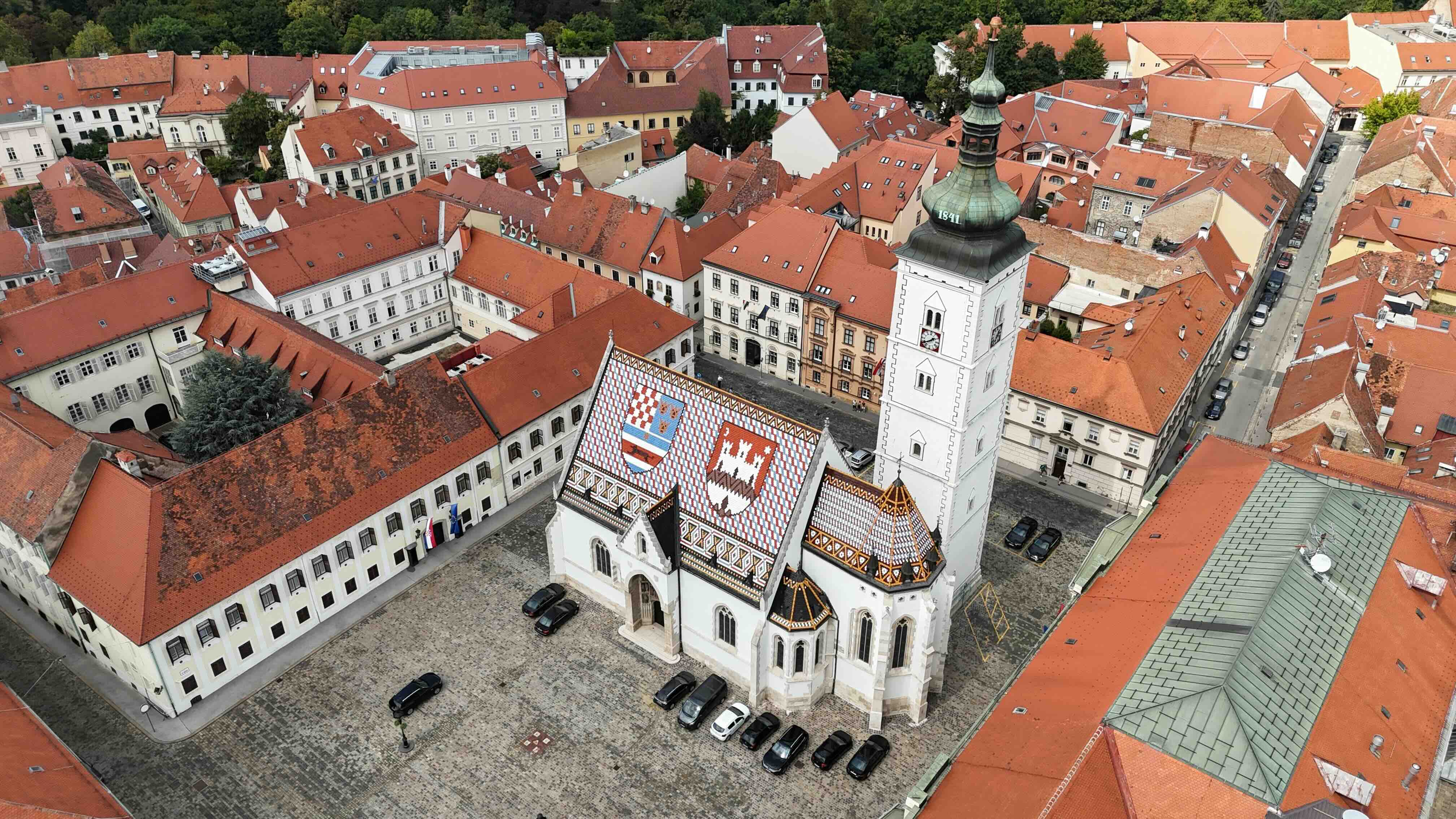
Vienna → Zagreb
~6h 30m · EuroCity (ÖBB · SŽ · HŽPP)
Railero's other route south from Vienna: to Zagreb
View Route
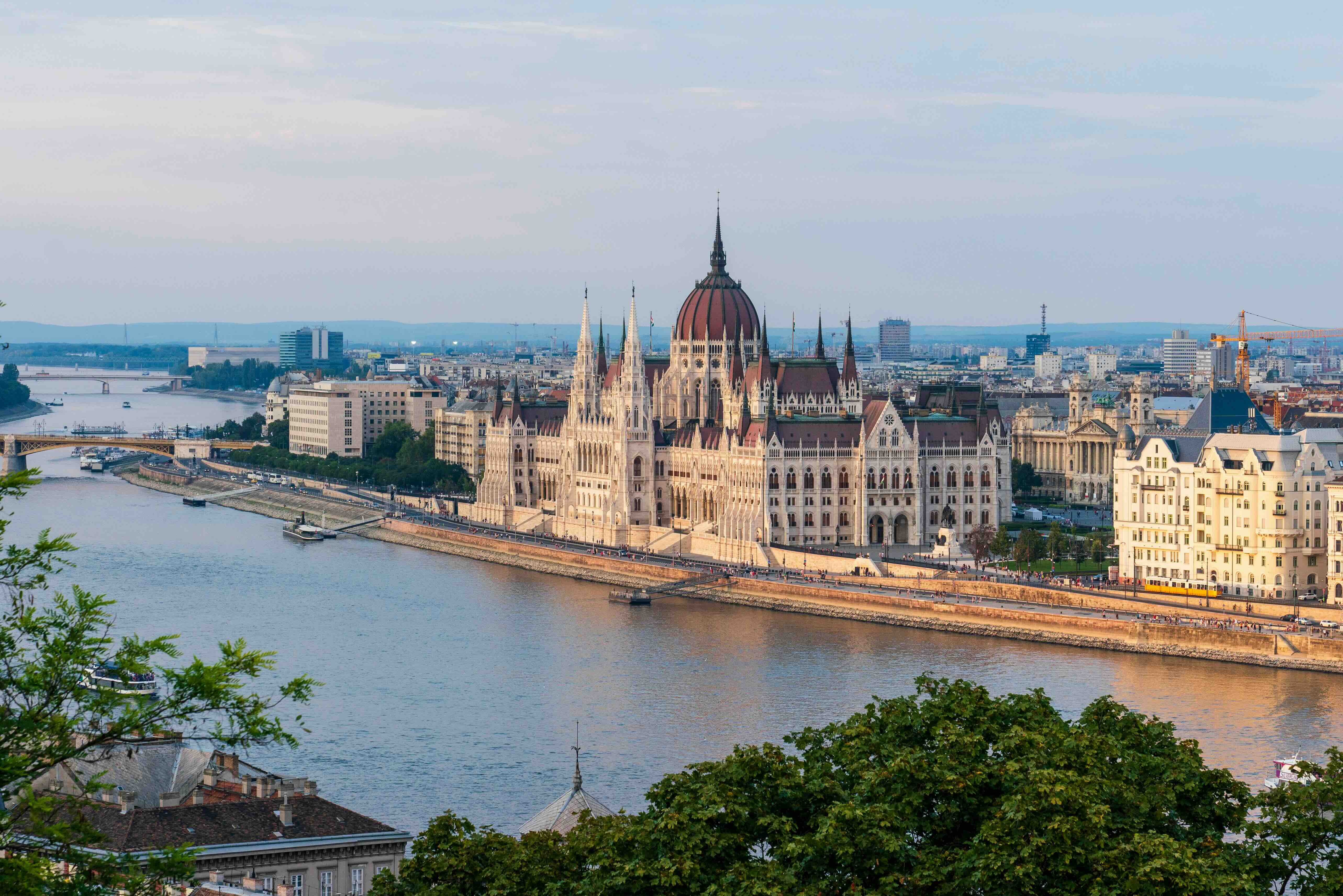
Vienna → Budapest
~2h 20m · ÖBB Railjet / RegioJet
The other Danube capital: Vienna to Budapest
View RouteInterrail and the Swiss Travel Pass — when a pass beats point-to-point tickets and when it does not.
When reservation is mandatory, which side of the train has the views, and how to choose your class.
Vienna to Ljubljana is the easy way south-west into Slovenia: around six hours on the daily direct EuroCity Emona, over the UNESCO Semmering railway to Graz, across the border through Maribor and Celje and up the Sava to the heart of Ljubljana. Travel by day for the mountains, reserve a seat if it is busy, allow extra time for the rebuilding works at Ljubljana station, and treat it as the south-western arm of the Prague, Vienna, Zagreb network.
Back to all routes